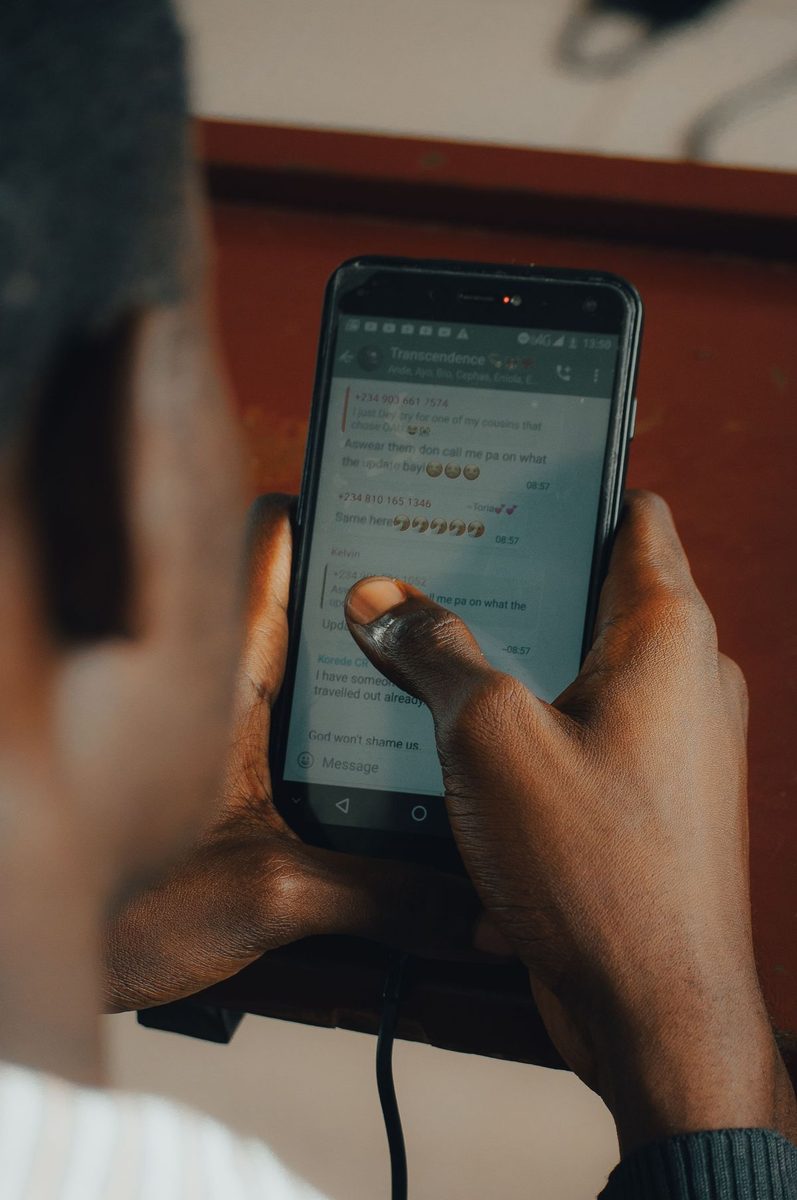
A creator WhatsApp group of one hundred and eighty people opened in August. It split between Thailand and Vietnam, with the usual introduction message and a pinned note about the next campaign. It was busy for eleven days. By the third week the only person sending anything was the seller. The messages had turned into announcements that nobody answered. In the fourth week the first people left, quietly. Nobody said why. No one had done anything wrong. The group had simply run out of reasons to exist.
This is the normal life of a creator WhatsApp group. It is worth understanding before building another one. The failure is not a moderation problem and not a content problem. It is a structural one. A group survives on other people having something to say to each other. Most teams build the group so that only the seller ever needs to speak.
This is written for the seller or small agency running fifty to three hundred creators. Most work across two or three markets. WhatsApp is already where the real conversations happen. The question is whether a group can carry any of it.
Week three is where the group dies, and it is predictable
The pattern repeats closely enough to schedule around. Weeks one and two run on novelty and on the campaign that justified the group. Everyone is polite. A few people ask questions about samples. The message count makes it look like a community.
Week three is where the campaign ends. The pinned note is stale. The last announcement was about a product that has already shipped. There is nothing left for anyone to respond to. The seller keeps posting because a silent group feels like a failing one. That is exactly the point where posting more accelerates the decline. A group that only receives broadcasts teaches its members that opening it is not worth doing.
Weeks four to eight produce the exits. It is not a mass departure. Three or four people a week leave. They are always the ones who were most engaged early. That is why the loss is worse than the number suggests.
Four kinds of group, and only one stays open
The groups that last are not the best-managed ones. They are the ones built for a reason that does not depend on the seller talking. Roughly four types exist, and they behave very differently.
| Type of group | Why it was created | What happens by week six |
|---|---|---|
| Announcement board | Seller needs to send campaign news to everyone | Read rate collapses, exits begin |
| Support queue | Creators ask about samples and payment | Survives, but only as a ticket desk |
| Peer group | Creators in one niche compare results | Keeps talking without the seller |
| Working cohort | A single campaign with a shared deadline | Ends on schedule, which is fine |
Only the peer group generates its own traffic. The working cohort is the most honest of the four. It has a defined end, and nobody expects it to live past the campaign. Most teams build the announcement board by default. It is also the only one that actively damages the channel it lives in.
The reason to open the app has to be theirs
A creator opens WhatsApp dozens of times a day for reasons that have nothing to do with you. Whatever you send competes with her sister, her supplier and her own customers. A creator WhatsApp group that only carries seller messages competes badly. Every message is a cost to her, and none of them are a benefit.
Three things reliably flip that. The first is information she cannot get elsewhere. Which video in the campaign is converting. What the top earner did differently. How long payment actually took last cycle. The second is other creators she can ask directly. That requires a group small enough to recognise names, grouped by niche rather than by campaign. The third is a visible response from you. A question answered in public makes the group look worth asking in.
The mechanism matters less than the direction of the traffic. If every message in the group originates from the seller, the group is a mailing list with worse delivery. DAMI sends to the same WhatsApp numbers. It keeps each send attached to a named creator and a named campaign. The ones who reply are identifiable rather than lost in a group thread. It keeps the peer group a place for conversation instead of a second inbox to manage.

What a small team can actually sustain
The honest limit is attention. A peer group needs someone reading it. A team of two running three markets cannot read six groups properly. Most sellers do better with one group per market, capped at a size where names are still familiar. One large group that technically covers everyone is worse.
Size is the other constraint. A group of eighty active creators produces more conversation than a group of four hundred. The larger group is worse for the seller too. A single announcement there cannot be followed by a question without burying it. Splitting by market and by niche costs more setup. It also returns more replies.
One more caveat worth stating plainly. A group is not a substitute for individual conversation. Creators who matter most will always move to a direct thread. The group’s job is to make that thread warmer when it happens. The wider piece on creator communication outside the platform inbox covers where each channel belongs. For one-way reach at volume rather than a room people talk in, the note on WhatsApp API broadcast is the right read.
A creator WhatsApp group built around the seller’s announcements will be quiet by week three. One built around what creators want to know from each other survives. The traffic there does not depend on you. DAMI gives the group something factual to open for. The numbers behind each campaign, not a summary you write by hand once a week. The DAMI creator workspace is where those numbers come from.
FAQ
How many creators should be in one group?
Small enough that members recognise each other’s names. In practice that is eighty to a hundred and twenty. Beyond that the group reads as an audience rather than a room. People stop answering because they assume someone else will. Creating an account gives you a roster small enough to test this in one market. Add the second market later.
Should every creator be in the group?
No. Some creators have never posted. Others joined only to ask about a sample. Both dilute the group and make the active ones feel like an audience. Start with the people who shipped a video in the last sixty days. Add from there. DAMI keeps that sixty-day filter on the creator record, so the roster rebuilds itself instead of needing a hand.
Is it better to use one big group or several small ones?
Several, split by market and niche, even though it costs more of your time. A creator WhatsApp group works on relevance. A Thai beauty creator has almost nothing to say to a Vietnamese home-goods creator. The split is what makes the replies worth reading.