An apparel brand selling into Thailand with ten to fifty people on staff has one person who reads Thai comfortably. That person is not on the affiliate team. They are in operations, or they are the founder’s assistant, and they translate when asked.
So the workflow looks like this. A Bangkok creator sends a question at 8pm about whether the sample ships in size L. Nobody on the affiliate team can read it. It sits until morning, gets forwarded, gets translated at 10am, and gets answered at 11am the next day — by which point the creator has taken a different brand’s offer.
This is not a language problem in the way most teams describe it. It is a latency problem wearing a language costume. The fix is not hiring a translator; the fix is removing the round trip, and then being honest about which messages still need a human who understands Thai.
This article covers what real-time translation inside the creator chat actually does, the message types it handles well, the ones it does not, and how to set the boundary so you stop losing creators to a fourteen-hour reply delay.
Why the Reply Is Late Before It Is Wrong
Three things stack up.
The message arrives outside your working hours. Thai creators are active in the evening. If your team works Bangkok hours but your Thai speaker is in a different function, the evening is exactly when nobody is available.
There is a single point of failure. One translator means every Thai message queues behind everything else that person is doing. Add three creators asking questions the same evening and the queue is the bottleneck, not the language.
Nobody knows it is urgent until it is translated. An unread message in a script you cannot read carries no priority signal. It could be a shipping question or a commission dispute, and you cannot triage what you cannot read.
A fourth factor compounds the first three, and it is the one teams under-count. Thai creators who do not get an answer rarely say so. They stop replying and the thread ends silently, so the record shows no rejection, no objection, nothing — just a creator who was warm on Tuesday and gone by Friday. By the time somebody notices, the brief has gone to a competing brand.
Silent attrition is harder to measure than a slow reply rate, which is exactly why it survives. Reply-rate dashboards look acceptable because nothing was ever refused.
The consequence is that teams optimise the wrong thing. They write better English templates when the actual loss is the fourteen hours.
What Real-Time Chat Translation Actually Does
The mechanism matters because it determines what you can rely on.
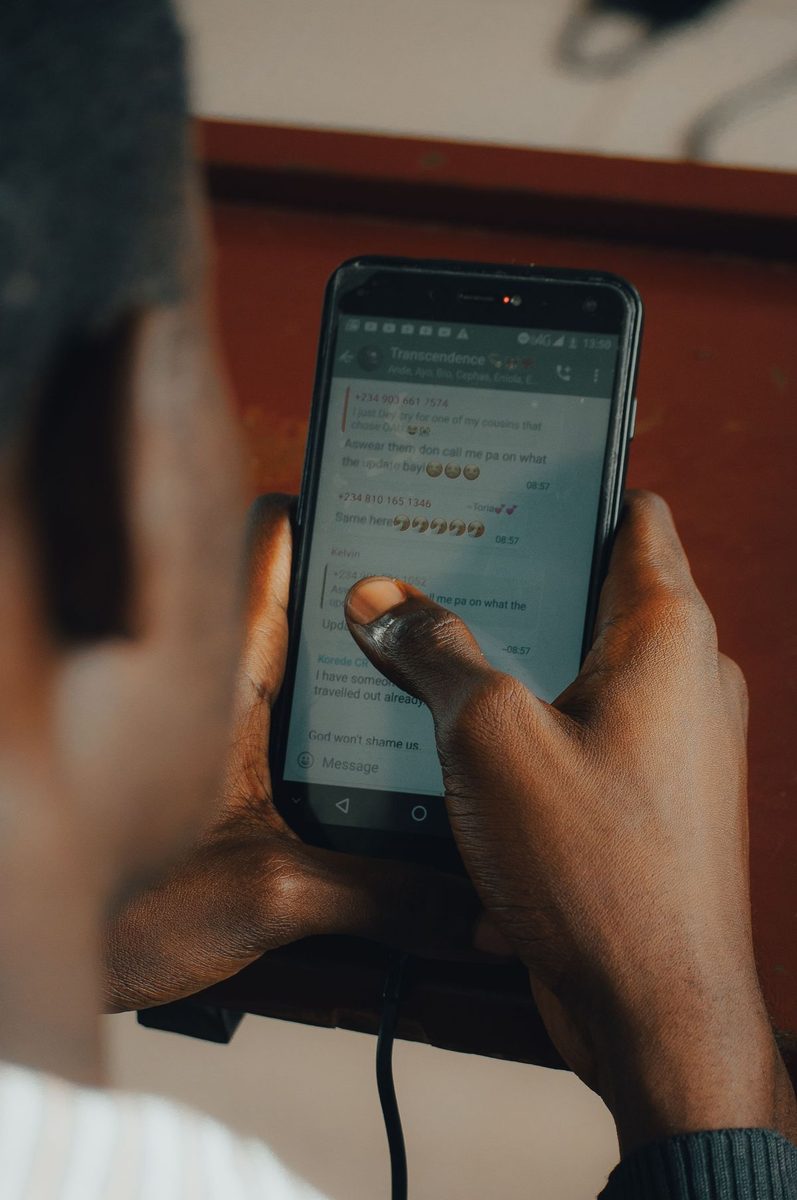
Messages are pulled from the authorised store through the official API — the last thirty days of creator conversations — and rendered with translation alongside the original. Your team reads the Thai message in English, replies in English, and the reply goes back. Labels can be applied to the conversation so the next person looking at it knows what state it is in.
Two things follow from that which are worth being precise about.
The first is the thirty-day window. The sync covers roughly the last month of conversations. Anything older is not there, which means this is a tool for active threads, not an archive. If you need a record that survives, that has to be stored separately.
The second is that translation is not comprehension. You will read what the creator wrote. You will not automatically know that the phrasing they used is a polite refusal, or that the question implies they have already been offered something by a competitor. Literal accuracy is not the same as reading the room.
The Three Message Types That Should Never Be Machine-Handled
This is the boundary that keeps a translation tool from becoming a liability.
Anything involving money. Commission negotiation, flat-fee requests, bonus arrangements. Machine translation of a number is fine; machine translation of a bargaining position is how you agree to terms you did not intend. A human who understands the market reads these.
Anything involving a complaint. A creator who is unhappy about a late sample, a missing payment, or a product that arrived damaged is not asking a question — they are escalating. The tone is the content, and tone is the first thing translation flattens.
Anything involving a commitment. Delivery dates, exclusivity, content volume. These become obligations. If the English rendering and the Thai original disagree on a date, you own the date.
Everything else — shipping questions, sizing, “can I also get the black one”, “is this still available” — is exactly what translation is for, and those are the majority of inbound messages by volume.
| Message type | Who replies | Target response |
|---|---|---|
| Product, sizing, stock, shipping | Translated, any team member | Under two hours in working day |
| Sample status and tracking | Translated, ops | Same day |
| Commission or fee negotiation | Thai-speaking human | Same day, never auto |
| Complaint or escalation | Thai-speaking human, senior | Within four hours |
| Content or brief questions | Translated, affiliate lead | Same day |

Where Machine Translation Breaks in Thai
Being specific here saves teams from discovering it mid-negotiation.
Colloquial and abbreviated Thai. Creators type the way they speak. Shortened forms, particles, and slang render badly or not at all, and slang is where intent usually lives.
Product and garment terminology. Thai apparel vocabulary borrows heavily from English, and the borrowed words get translated back into awkward English or left untranslated depending on the engine. “ส่งของวันไหน” is simple; a fabric or fit description is where it goes wrong.
Numbers and units. These survive translation, but the surrounding framing does not, so “I can do three videos if” becomes “I can do three videos” with the condition quietly dropped.
Politeness gradients. Thai has layered registers. A very polite message and a neutral one can render identically in English, which means you lose the signal that a creator is being careful with you — often a sign they are considering a real commitment.
The practical rule: read the translation, and when the stakes are above a sample shipment, get a human to confirm.
Labelling While You Reply
The part teams skip is the tag.
If a conversation is only ever a conversation, the next person to look at it starts from zero. Labelling the thread — high intent, waiting on sample, negotiating, gone cold — converts a chat log into a pipeline. It also makes the handoff between shifts work: whoever picks up the evening messages knows which three need an answer tonight.
Two habits make this useful rather than decorative. Label at the moment you reply, while you still have the context, not at end of week. And keep the label set small — five or six states that everyone uses the same way beats fifteen that nobody remembers.
For the underlying question of why matching a creator’s language moves reply rates at all, DAMI Multilingual Creator Messaging System: Why Language Match Drives Reply Rates covers the evidence, and How to Read a Creator’s First Reply to Decide Push or Drop is the follow-on skill once replies start arriving.

Where DAMI Fits
DAMI pulls the last thirty days of creator conversations from authorised stores through the official API and renders them with real-time translation, so a team that does not read Thai can reply in hours rather than the next morning. Conversations can be labelled, which is what turns the thread into something the next shift can pick up.
The part that matters most for a Thai apparel brand is not the translation itself. It is that the chat no longer lives inside one person’s login on one device — it is visible to the team and attributable, so coverage across evening hours stops depending on who happens to be awake.
Three limits worth stating plainly. It is a window of about thirty days, not an archive. It renders text accurately without telling you what the text means in context. And it does not negotiate for you — the moment a creator starts bargaining, a person who understands Thai takes over.
If your current process is forwarding screenshots to one colleague and waiting, the product page shows what the chat looks like when it is synchronised instead.
Frequently Asked Questions
How accurate is real-time translation for Thai creator messages?
Good enough for logistics, sizing and availability questions, which is most of the volume. Not reliable for negotiation, complaints or commitments, where tone and conditionals carry the meaning.
What happens to conversations older than thirty days?
They are outside the sync window. If you need a durable record — particularly for agreed commission terms — write the outcome into the creator record rather than relying on the chat thread.
Do we still need a Thai speaker on the team?
Yes. The tool changes what that person spends time on, from translating routine questions to handling negotiation and escalation, which is a better use of the one person who understands the market.
Can we send the reply in Thai rather than English?
You can, and for high-value creators you should have the Thai speaker write it. Machine-translated outbound Thai reads as machine-translated, and creators notice.
Does this replace an auto-reply bot?
It is not one, and should not be written or configured as one. The scope is store-related creator conversations that a human is having with translation support, not automated negotiation.