A brand sent its first round of invites to TikTok Shop Philippines creators in the last week of October. The replies were polite and almost all the same: booked through December, maybe January. Nothing was wrong with the offer or the commission. The calendar had closed three weeks earlier, and the brand had been planning against November because that is when the traffic arrives.
The traffic does arrive in November. The booking happens in August, and that gap is the whole difficulty of the Philippine market.
This is written for the seller adding the Philippines to an existing TikTok Shop operation — ten to fifty SKUs, home goods or beauty or small electronics, one or two people on creator work, coming from the US or already running in Indonesia and Thailand. The mechanics are easier here than almost anywhere in the region, which is exactly why the timing is the thing that decides the quarter.
Why the calendar starts in September, not November
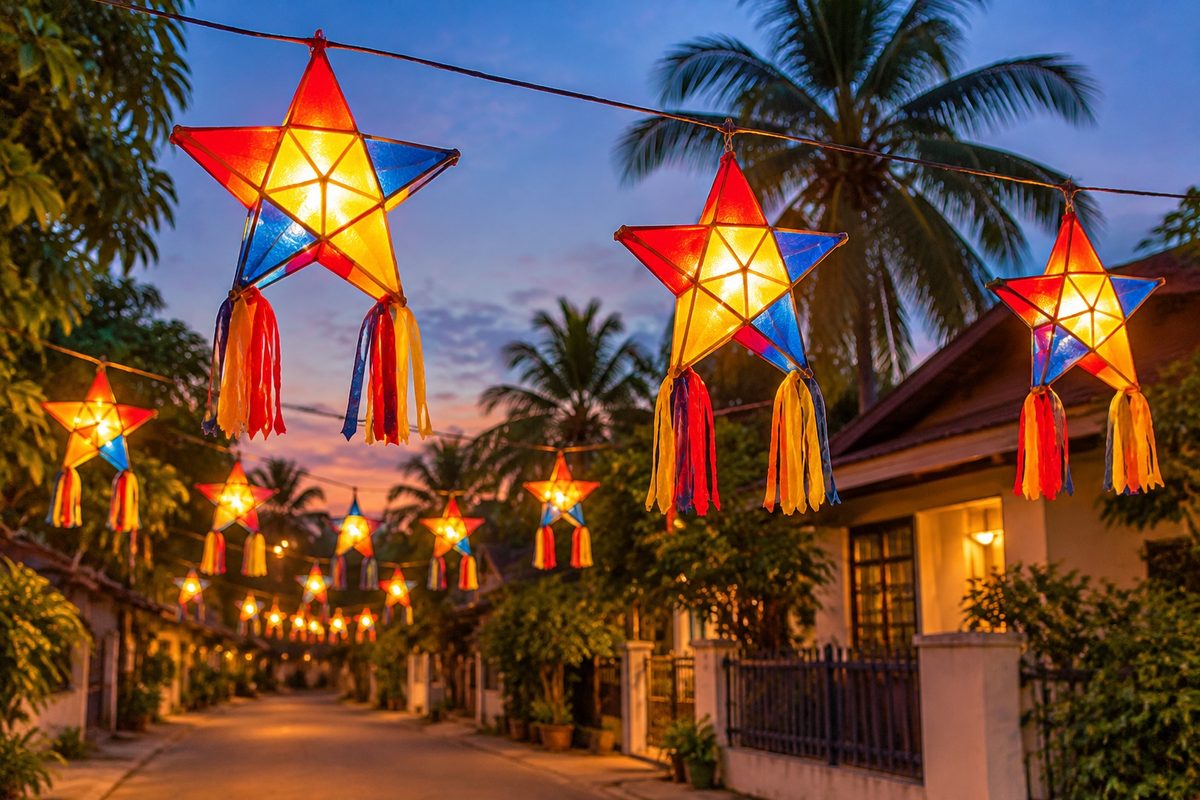
The Philippines runs the longest holiday season in the region, and it starts earlier than most sellers expect. The -ber months begin in September and build through December, with the heaviest shopping pressure landing in the second half of November and the first half of December.
Creators feel that before shops do. A creator who expects to be shooting holiday content from late September will accept work in August and be selective by October. By the time a brand is looking at November traffic and thinking about outreach, the creators worth having are committed, and the ones still available are either new or were not chosen by anyone else.
The practical inversion: your invites should go out when your own traffic is still flat. That feels wrong, because every instinct says to work on the channel that is performing now, and the Philippine channel performs later.
English is the advantage, and also the trap
The obvious advantage is that outreach copy does not need translating. A brief written for a US creator works here with almost no change, which removes the single largest cost item in most Southeast Asian markets and shortens the setup from weeks to an afternoon.
The trap is that every competitor knows this. In a market where Indonesia requires Bahasa and Thailand requires Thai, the Philippines attracts more shops per creator because the entry cost is low. That competition does not show up in the reply rate — it shows up in what creators ask for before they say yes.
Two things move the answer. Samples, because a creator with six offers will take the one whose parcel arrives first and whose product photographs well. And reply speed, because the same creator is running three conversations at once and the shop that answers in the same hour gets the shoot.

The four-month sequence, and what each step needs
Working backwards from December gives a sequence that is easy to hold in a small team, because each month has exactly one job.
| When | The job | What it depends on |
|---|---|---|
| August | Invite at volume, with a window that reaches December | Bulk invitation with a long validity option, and a filtered creator list |
| Early September | Clear non-responders and refill | Cleanup of invalid creators, then a top-up rather than a rebuild |
| September–October | Ship samples fast, and tell creators when | Sample workspace with shipped and delivered events |
| November–December | Hold the posting schedule, replace dropouts | Scheduled reminders and a reserve list already contacted |
The August row is the one that fails most often, and it fails for a mechanical reason rather than a strategic one: the invitation validity was set short. A seven-day or fifteen-day invite sent in August expires before the creator has any reason to act, because the creator is not thinking about December yet. TikTok Shop Philippines creators are thinking about it in August; the invite is what has to still be open when they do. Sending the same invite with a window that runs to the end of the year costs nothing and keeps the offer alive through the period when the creator’s calendar fills up.
What the invite window has to cover
Invitation validity is a setting, and in this market it is the setting that matters. The available options run from one day to a full year, and the choice is not about generosity — it is about how far ahead of the decision you are inviting.
For a Philippine holiday push, the window has to reach past the month you expect the creator to shoot, not the month you expect her to accept. A creator who says yes in September and shoots in November needs an invite that is still open in September when she finally reads it, and still valid when the campaign details are confirmed. DAMI exposes that window as a setting on the invitation rather than a per-creator decision, which matters when four hundred invites go out in one afternoon. Short windows in an early outreach round are how a full August list produces an empty October.
There is a second setting worth getting right at the same time: the group size per invitation. Small groups with a specific product beat one large group with the whole catalogue, because a creator deciding in August is deciding about a product, not about a shop. When the catalogue changes in October, adding products to the existing plan keeps the original weighting rather than starting the conversation again.
Every holiday push loses creators between September and December — a sample that never arrives, a creator who moves, an account that goes quiet. The teams that survive December are the ones who contacted a reserve list in August rather than looking for one in November.
DAMI’s invitation flow supports the long validity options and the small-group structure this sequence needs, and the creator library keeps a tagged reserve pool so the December replacement is a filtered list rather than a fresh search. The cleanup step matters as much: clearing non-responders from a group frees the invitation allowance for the refill, which is the difference between a plan that can be topped up and one that has to be rebuilt.
FAQ
Is the Philippines worth entering if I already run Indonesia or Thailand?
For most sellers, yes, and the reason is cost rather than size. Copy reuse means the marginal cost of adding the market is close to zero, so the question is not whether it can compete with your biggest market but whether it earns its slot against doing nothing.
Should I run Philippine creators on English copy or Tagalog?
English for the outreach and the brief, Tagalog for anything a buyer reads. Creators work in English comfortably; the product page and the caption that a Filipino buyer sees are a different audience, and that is where localisation earns its money.
What if I am already too late for this year?
Run the same sequence anyway, aimed at January. The -ber traffic is a peak, not the whole year, and a creator who was booked through December is available in the first week of January, when most brands have stopped contacting anyone. DAMI’s invitation validity reaches a full year, so an invite sent in November can still be open then.
Open your own calendar and count the weeks between now and the month you expect the traffic. For most sellers reading this in November, the honest answer for TikTok Shop Philippines creators is that the next window is January. If that number is smaller than the time a creator needs to accept, get a sample and shoot, the invites are already late — and the fix is a longer window, not a louder message. Vetting Philippine creators covers who to put on the list, and the affiliate strategy side of the market covers commission and tiering. The DAMI outreach workspace is where the invitation, the sample and the creator library sit together, or you can create an account and send the first January list this week.