Philippines TikTok Shop Affiliate Strategy: A 2026 DAMI Playbook
If your brand sells on TikTok Shop and your traffic reports keep showing the Philippines near the top — while your content plan treats it as an afterthought — this playbook is for you. The pattern is common: English-speaking audience, live-commerce culture, price-sensitive but loyal buyers, and far fewer international brands fighting for creators than in the US or Indonesia. For cross-border operators running multiple Southeast Asian stores, the Philippines is often the market with the best gap between effort and reward in 2026. The broader regional playbook for running multiple stores at once lives in our SEA scaling guide; this article is the country-specific version.
Rafael runs two TikTok Shop stores for a home-goods brand — one for the US, one for the Philippines. For his first year, the PH store ran on leftover attention: US templates, US commission rates, whoever happened to message Filipino creators in English. It sold, modestly. The change came when his team stopped treating PH as a smaller US and started running it as its own program, inside the DAMI workspace.
What Makes the Philippine Market Different
Three things shape an affiliate strategy in the Philippines, and none of them are copyable from a US playbook.
First, language is an advantage, not a barrier. Filipino creators work comfortably in English, which means a cross-border team does not need translation to run a first campaign — a genuine difference from Vietnam or Thailand. What teams do learn quickly is that the tone travels: casual, community-minded, personal. A stiff brand pitch in perfect English underperforms a warm, conversational message.
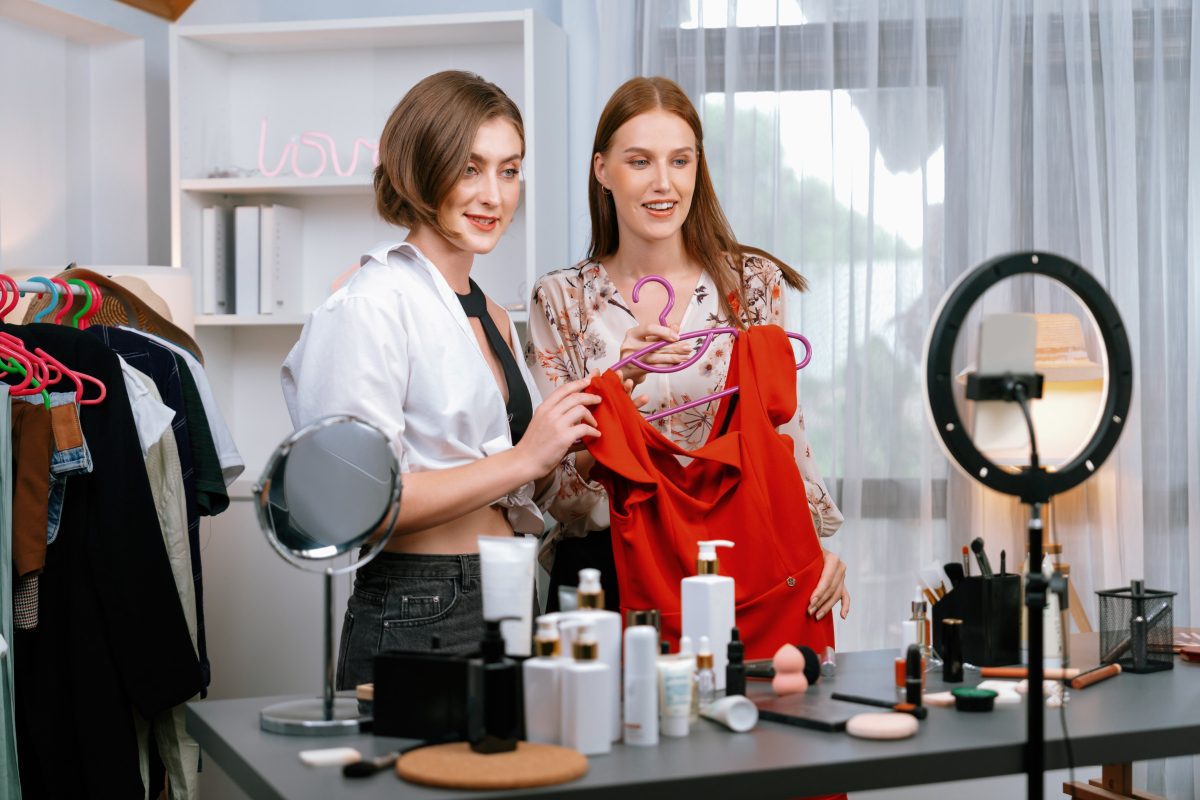
Second, live selling is a habit, not a novelty. The live-commerce culture that took over parts of Southeast Asia is strong in the Philippines, and the creators who can host and sell in a live format are worth disproportionately more than their follower count suggests. An affiliate program that only briefs creators for feed videos leaves the market’s best format unused.
Third, price sensitivity shapes commission design. Buyers watch for value, compare aggressively, and respond to honest discounting. Creators know their audiences will not tolerate inflated prices, so a program with a fair commission and a real discount code outperforms a higher-margin setup that prices the creator out.
A brand operator in Manila who runs creator programs for several regional brands summarized it: “The Philippines rewards consistency more than cleverness. The brands that show up every week with fair commissions win the creators; the ones that show up twice a quarter do not, no matter how big they are elsewhere.”
Find the Right Filipino Creators
Rafael’s team rebuilt their PH creator list from zero, inside the DAMI creator library. The filters did the heavy lifting: country set to the Philippines, category set to home and lifestyle, follower band split into two pools — 10,000 to 80,000 for affordable reach, and 80,000-plus for anchor partnerships. The recent-content filter kept only creators with shoppable posts in the last month, which quietly removed the accounts that look alive but stopped selling.
The second move was DAMI competitor mining. DAMI pulls the creator list behind any TikTok Shop storefront, so the team looked at which home-goods brands were already moving product in the Philippines and which creators were posting for them. A creator already selling a competing storage bin does not need educating — they need a better offer. The team started its outreach cycle with that list first.
For a market with fewer “professional influencer” layers than the US, this kind of data-driven filtering matters even more. The gap between a creator with 40,000 followers who sells every week and one with 40,000 followers who has never posted a shoppable video is invisible on the surface. The DAMI library shows it before the first message is spent.
Run Outreach in Volume, Not in Spare Moments
The PH program kept underperforming for one structural reason: outreach happened “when there was time,” which meant never. Rafael’s team moved the market into the weekly batch cycle they already ran for other regions. Templates state the product angle, the commission, and the discount-code offer. Messages go out as DAMI bulk invitations to the filtered PH list. Follow-ups — the part that dies first in a small team — run through the AI-managed flow so a creator who replies three weeks later still finds a warm thread.
One nuance the team learned: many Filipino creators run their partnerships through comment sections and chat as much as email, so the team sends through the channels each creator actually uses, which the DAMI outreach flow tracks per conversation. And because the same workspace also runs the brand’s Vietnam and Thailand stores, the DAMI AI multi-language layer handles those markets’ messages in local language while the PH cycle runs in the natural English the creators expect.
A creator partnerships lead based in Cebu described the difference from the creator side: “Brands that message me a real offer with a real number get an answer the same day. The ones that send a vague ‘collab?’ wait a month. It is not complicated.”
Rafael’s Friday Review: Philippines vs. the US Store
The clearest signal that the Philippines program deserved its own strategy came from the Friday review in the DAMI workspace. Rafael pulls both stores up in DAMI and compares them side by side. The numbers tell different stories.
The US store has higher average order value but lower creator reply rates. Creators there are saturated with brand offers, and they negotiate harder on commission. The Philippines store has lower average order value but reply rates nearly double, and the same creators often post multiple times for the same brand once the relationship is warm. The lifetime value of a Philippine affiliate, measured in posts per relationship, is higher than the US numbers suggested at first glance.
That comparison shapes decisions. Rafael allocates more sample inventory to the Philippines store during launch windows because the reply-to-post velocity is faster. He keeps commission rates lean but fair, because the data shows that Philippine creators care more about consistent partnership than one-time payouts. And he schedules campaigns around local shopping moments — paydays, weekend live-selling windows, and seasonal home-organizing periods — rather than copying the US calendar.
The DAMI team dashboard makes this review a shared exercise instead of a private spreadsheet ritual. The US operator and the Philippines operator can see each other’s numbers, learn from each other’s angles, and avoid duplicating outreach to creators who appear in both markets. For a two-store brand, that single source of truth is where the efficiency comes from.
A creator partnerships lead at a home-goods brand in Manila described the shift: “We used to run the Philippines store like a smaller version of the US store. Now we run it like its own market. The numbers stopped being confusing once we stopped comparing them to the wrong benchmark.”

Design Commissions and Samples for This Market
The offer is where cross-border brands most often trip in the Philippines. The team’s working setup, refined over two quarters:
- Commission rates that assume price-sensitive buyers — competitive with the category, not padded to cover a discount that never comes
- Discount codes that give the creator something honest to say, with the rate and duration set once in the DAMI targeted plan management view
- Samples that ship fast, tracked in DAMI sample management, because a creator who waits three weeks for product has usually lost the posting mood
- Clear code-to-creator attribution, so DAMI link tracking shows exactly which video and which creator drove each sale
That last point decides whether a PH program can scale. When every sale traces back to a creator and a video, the team can double down on the small group producing most of the revenue — which, in Rafael’s program, turned out to be live-selling creators with mid-sized followings, not the big names they had assumed would lead.
Measure the Program, Not the Vibes
The Friday review for the PH store now runs from the DAMI store data view: GMV trend, which creator posts converted, which codes got used, and how the market compares week over week. Because the US store sits in the same workspace, Rafael compares markets directly — and the surprise of 2026 has been that the PH program’s cost per creator conversation is roughly half the US one, with loyalty-driven repeat posts well ahead.
That is the quiet case for the Philippines as a 2026 priority: less competition for creators, comfortable language logistics, and a buyer culture that rewards brands that commit. The teams seeing it are the ones treating the market as a real program with its own list, its own commissions, and its own review cadence — not a residual audience.
Frequently Asked Questions
Do I need Tagalog translation to run a PH affiliate program?
No. Filipino creators work comfortably in English, and casual, warm messaging outperforms stiff formality. DAMI’s AI translation covers Thailand, Vietnam, Indonesia, and Malaysia for teams running those markets alongside PH.
What commission rate works in the Philippines?
Match the category norm and assume price-sensitive buyers — a fair rate with a real discount code beats a padded rate that prices the creator out. Test 2-3 tiers in the targeted plan view and let the DAMI link tracking pick the winner.
Should I focus on live-selling creators?
Heavily consider it. Live commerce is strong in the Philippines, and the data from programs like Rafael’s shows mid-sized live hosts often outsell bigger feed-only creators.
Can a solo seller run a PH program alongside a US store?
Yes. The multi-store workspace means one login covers both markets, and the batch cycle keeps the PH list moving even when the US launch eats your week.
Give the Philippines Its Own Playbook
The gap in this market is real, but it closes as more brands notice. See how DAMI runs PH creator lists, batch outreach, and per-store analytics on the product page, or create your account to start building your Philippines list this week.