Finding TikTok affiliates for your products is more than a numbers game. While it’s tempting to chase creators with massive followings, the real key to success is finding partners whose audience and content align with your brand. A micro-influencer with 10,000 engaged followers in your niche can outperform a celebrity with millions of disengaged viewers. This guide walks you through proven methods to find TikTok affiliates who can actually drive sales, along with a practical checklist to vet them effectively.
Why the Right Affiliate Fit Matters More Than Follower Count
The biggest mistake sellers make is prioritizing follower count over product fit. A creator with a million followers might have an audience that doesn’t care about your niche. For example, a beauty brand partnering with a gaming influencer might get exposure, but not sales. The audience simply isn’t interested in skincare. Instead, focus on relevance and audience overlap. A smaller creator whose followers match your target market will drive more conversions because their recommendations carry more trust and relevance.
What You Need Before You Start Searching
Before diving into the search, prepare a solid foundation:
- Define your product’s niche and USP: What problem does it solve, and who is it for?
- Create an ideal customer profile (ICP): Outline the demographics, interests, and behaviors of your target buyer.
- Decide on your commission structure: Are you offering a percentage of sales, a flat fee, or a hybrid? Having these details ready makes your outreach professional and attractive.
5 Proven Methods to Find TikTok Affiliates for Your Products
Here are five methods that work, each with practical steps and judgment criteria.
Method 1: Use TikTok’s Creator Marketplace
TikTok’s Creator Marketplace is the official platform for brand-creator collaborations. It allows you to filter creators by category, location, follower count, and engagement rate. For example, if you sell skincare products, search for ‘beauty’ creators with 10k-100k followers and an engagement rate above 3%. Before reaching out, check their audience demographics to ensure they match your target market, and review their past brand collaborations to see if they have experience with similar products.
Method 2: Search TikTok Directly with Hashtags and Keywords
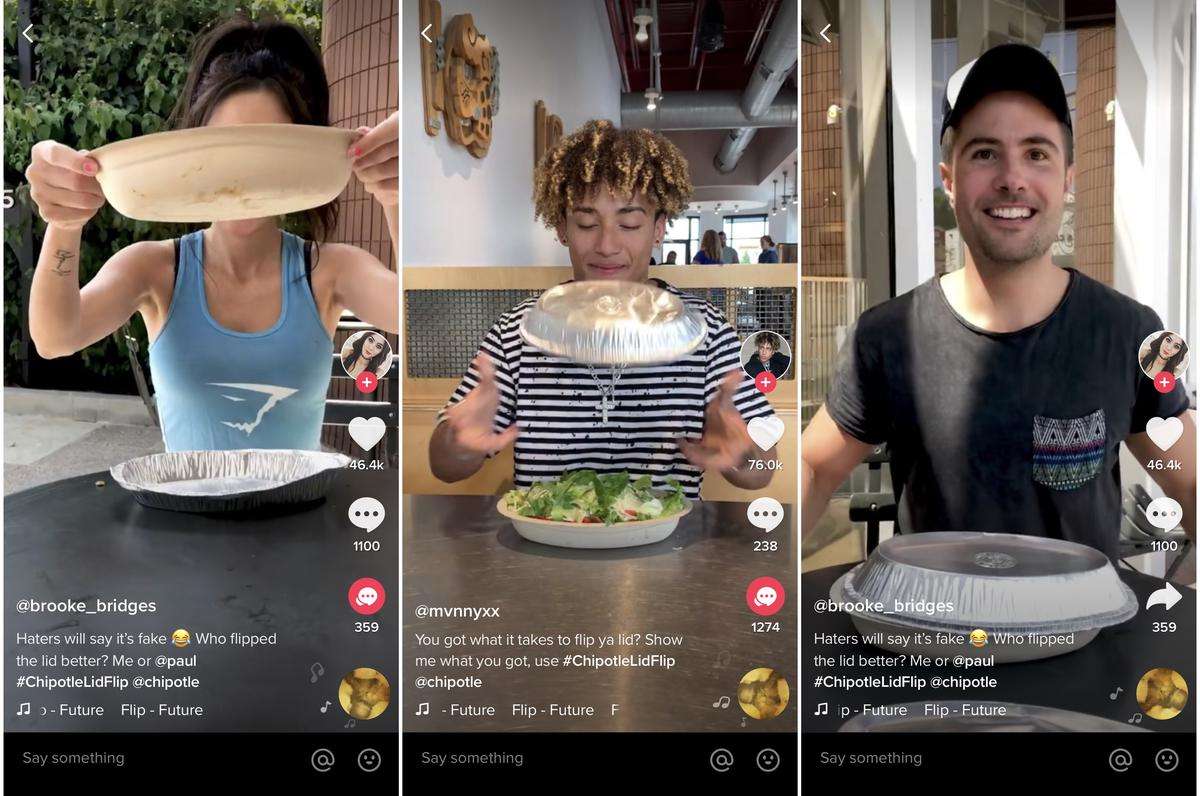
Find potential affiliates by searching TikTok for content related to your niche. Use hashtags like #TikTokMadeMeBuyIt, #AmazonFinds, or niche-specific tags like #skincareroutine. Look for creators who consistently post product reviews or unboxings. Evaluate their engagement rate (likes, comments, shares) and the sentiment of comments—do viewers ask where to buy the product? Also, assess video quality and whether their content style aligns with your brand. This method is free but time-consuming, so it’s best for sellers with a clear niche and a willingness to do manual research.
Method 3: Analyze Competitor Affiliates
Leverage competitor analysis to identify affiliates who already promote similar products. Use tools like TikTok Creative Center or third-party analytics to see which creators tag competitor products in their videos. For example, if you sell fitness supplements, look for creators who regularly post about protein powders or workout gear. However, be cautious: if a creator has an exclusive contract with a competitor, avoid poaching them.
Method 4: Leverage Your Own Customer Base
Encourage existing customers to become affiliates. Identify brand advocates from purchase history or social mentions. For example, if a customer posts an unboxing video without being asked, they’re a natural affiliate. Create a ‘customer affiliate’ program with special perks like higher commissions or early access to new products. These affiliates already know and love your product, making their promotions authentic and effective.
Method 5: Use Affiliate Networks and Agencies
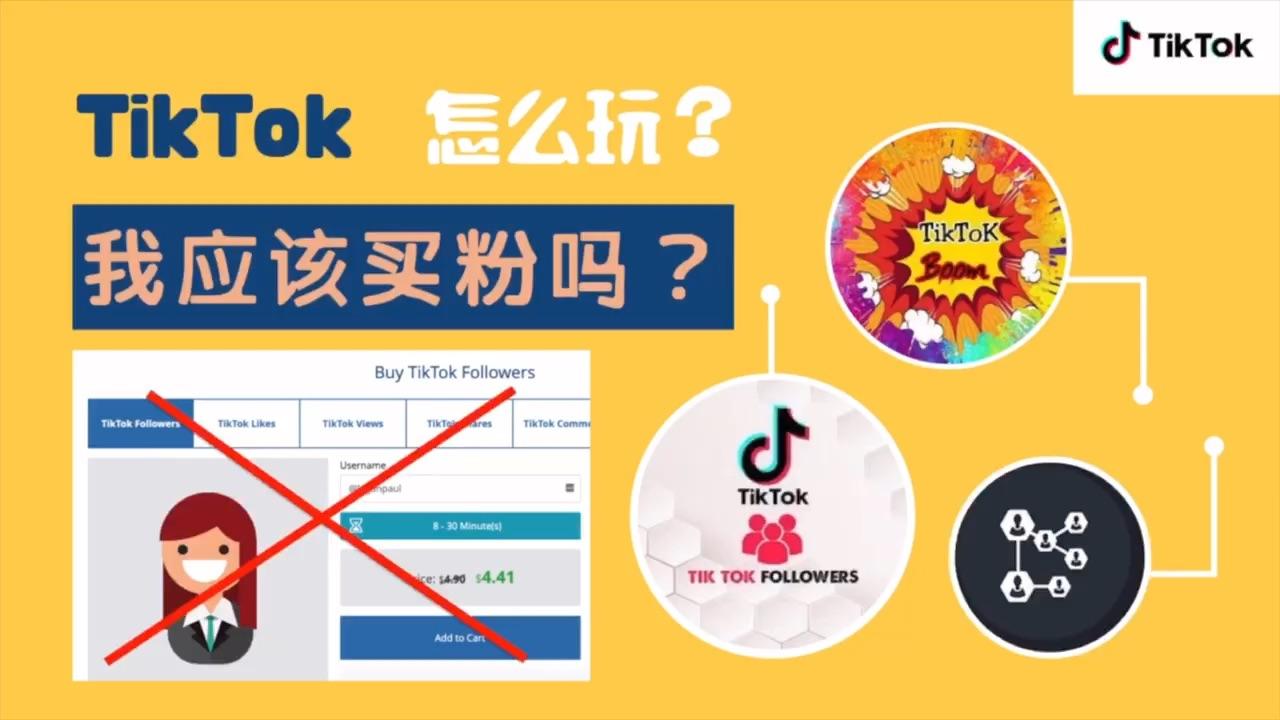
Third-party platforms like Upfluence, Aspire, or TikTok-specific agencies can connect you with vetted creators. These services save time but come with costs. Weigh the pros and cons: you pay for convenience, but you also get access to a pool of creators who are pre-screened for quality. Always verify creator quality and avoid those with fake followers.
How to Evaluate and Choose the Right Affiliates: A Checklist
Once you have a list of potential TikTok affiliates, the real work begins: vetting them. Choosing the wrong affiliate wastes time, money, and can damage your brand. Use this checklist to evaluate and select affiliates who are a genuine fit.
Key Criteria to Assess Before Partnering
- Audience alignment: Does their audience match your target buyer persona? Check age, location, gender, and interests. For example, if you sell skincare for acne-prone teens, an affiliate with a 30+ audience may not convert.
- Engagement rate: Look beyond follower count. A creator with 10,000 followers and a 5% engagement rate is often more valuable than one with 100,000 followers and 1% engagement. Calculate engagement as (likes + comments + shares) / followers.
- Content quality and brand fit: Review their recent videos. Is the content style, tone, and production quality aligned with your brand? Do they create authentic, high-quality content that would make your product look good?
- Track record: Have they promoted products before? If so, what was the performance? Look for case studies or ask for their media kit. While you can’t verify all claims, a history of successful campaigns is a positive signal.
Red Flags and Risk Boundaries
- Fake engagement: Sudden spikes in followers, low comment-to-like ratios, or generic comments can indicate purchased followers or bots. Use tools like HypeAuditor or SocialBlade to check authenticity.
- Over-promotion of competitors: If an affiliate promotes many competing products simultaneously, their audience may be saturated, and your product might get lost. Look for exclusivity or at least a clear focus.
- Unrealistic promises: Be wary of affiliates who guarantee specific sales numbers. No one can guarantee results, and such promises often lead to disappointment.
Checklist for Final Selection
- [ ] Audience matches your buyer persona
- [ ] Engagement rate > 3% (or industry benchmark)
- [ ] Content quality aligns with brand image
- [ ] No conflicts with exclusive partnerships
- [ ] Clear communication and professionalism
By systematically evaluating affiliates against these criteria, you’ll reduce the risk of wasted effort and build a more effective affiliate program.
Common Mistakes to Avoid When Finding TikTok Affiliates
Even with a solid method in place, many sellers still end up with affiliates who underperform or damage their brand. The difference often comes down to avoiding a few recurring mistakes.
Mistake 1: Chasing Follower Count Over Relevance
It’s tempting to approach creators with massive followings, assuming they’ll bring in the most sales. But a large audience doesn’t guarantee relevance. A beauty product promoted by a gaming creator with 2 million followers will likely see poor conversion, while a micro-influencer with 20,000 engaged followers in the beauty niche could drive steady sales. The key is to prioritize audience fit over raw numbers. When evaluating potential affiliates, ask: Does their content align with your product? Do their viewers match your target customer? A smaller, niche creator often has higher trust and engagement, making them more effective for affiliate marketing.
Mistake 2: Ignoring the Affiliate’s Audience Quality
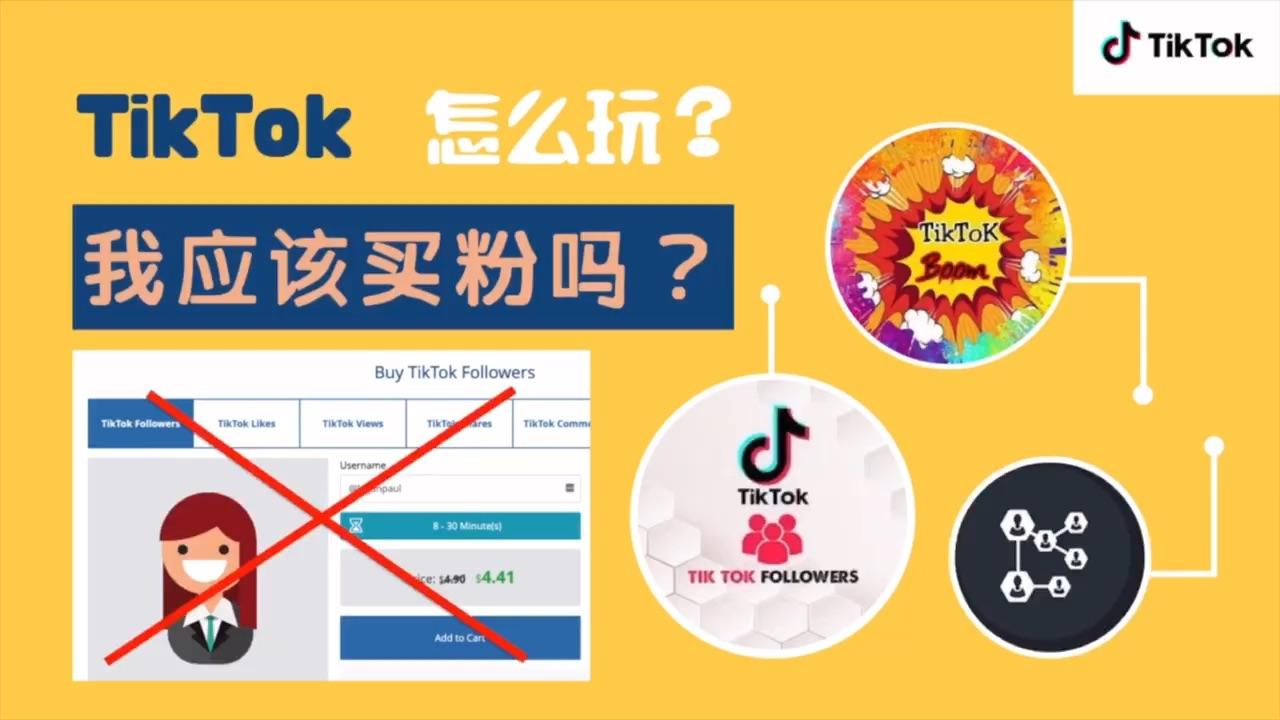
Follower count can be misleading if the audience is bought or inactive. Some creators inflate their numbers with bots, leading to high follower counts but minimal real engagement. Before partnering, check the quality of their audience. Look at the comments on their videos: are they genuine and relevant? Do they respond to questions? Sudden spikes in followers or a high follower-to-engagement ratio (e.g., 100k followers but only 50 likes per video) are red flags. Also, consider audience overlap. If their followers don’t match your buyer persona, even a highly engaged creator won’t produce results. For example, a fitness supplement brand partnering with a food blogger might see interest, but a partnership with a tech reviewer would likely fail.
To avoid these mistakes, always review an affiliate’s recent content and engagement metrics before reaching out. A quick check of their comment section and engagement rate can save you from wasted time and budget.
Frequently Asked Questions About Finding TikTok Affiliates
How many followers should a TikTok affiliate have?
There’s no magic number. Micro-influencers (10k-100k followers) often have higher engagement rates and more niche audiences, making them valuable partners. Focus on audience match rather than size.
Do I need to pay TikTok affiliates upfront?
Compensation models vary. Commission-only is common for TikTok Shop, but larger creators may require a flat fee or hybrid model. Consider your budget and expected ROI when negotiating.
Can I find TikTok affiliates for free?
Yes, through organic search, hashtag research, and customer advocacy. However, it requires time and manual effort. Affiliate networks and agencies offer convenience at a cost.