TikTok Shop Affiliate Disclosure Requirements: What You Must Show to Stay Compliant
TikTok Shop affiliate disclosure requirements boil down to one principle: if you can earn money when a viewer taps your product link or uses your code, you have to say so plainly. The FTC calls this a “material connection,” and hiding it is the single fastest way to get a video pulled, an affiliate account suspended, or a fine on your desk. This guide walks through exactly where disclaimers must appear, what wording actually satisfies the rules, and the templates working creators copy before they hit publish.
TikTok Shop Affiliate Disclosure Requirements: The Basics You Can’t Skip
Start with who owes a disclosure. Anyone enrolled in the TikTok Shop Affiliate program — whether you joined through the open plan, a targeted plan invite, or you run a live shopping affiliate setup — has a material connection to the brands whose products you promote. That connection exists the moment a commission, free sample, or discount code is on the table. The FTC’s Endorsement Guides require you to disclose it whenever that relationship could affect how a reasonable person views your recommendation.
“Clear and conspicuous” is the phrase the FTC repeats, and it has a concrete meaning. The disclosure must be hard to miss, placed where people actually look, and written in language a normal viewer understands. “Affiliate” alone fails that test for most audiences, because plenty of shoppers don’t know what the word means in a monetization context. “I earn a commission” or “#ad” does the job.
The disclosure also has to live in the same medium as the pitch. If you recommend a product in a 30-second video, a link buried in your bio does not count. You need the disclosure on the video itself, in the caption, or both. This is the rule creators most often break, usually because a past Instagram habit (where a bio link felt sufficient) bleeds into TikTok.
A material connection is broader than cash. A free product you were sent, a family member’s brand, an affiliate manager who is also a friend, or a discount code that pays you per sale all qualify. If the relationship could tilt your enthusiasm, disclose it. When in doubt, over-disclose rather than guess.
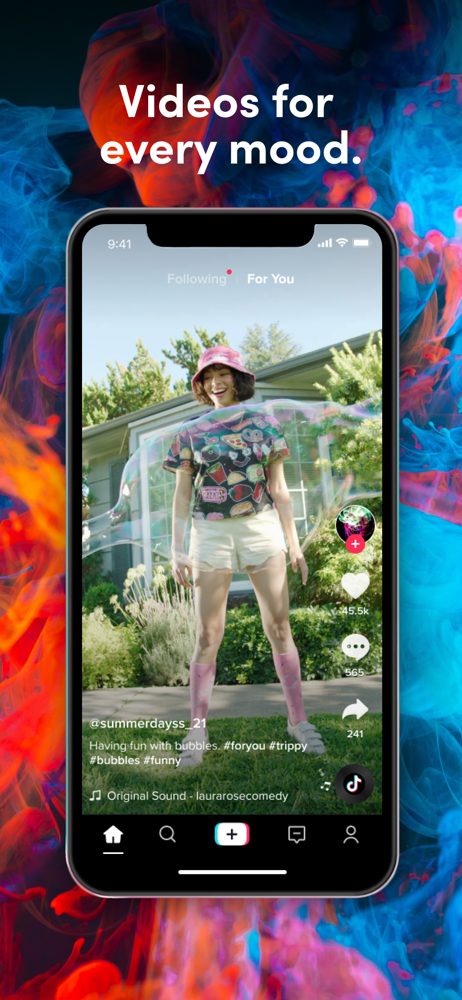
There is one more baseline point worth stating plainly: the orange shopping cart icon and the “Shop” label TikTok attaches to affiliate videos are platform features, not legal disclosures. They tell a viewer the video is shoppable. They do not tell the viewer you get paid. Treat them as decoration, never as your compliance work.
Where to Place Disclaimers: Bio, Caption, and Pinned Comment
The practical question is where the words go. Most working affiliates use a three-layer approach, and each layer covers a different failure point. Get all three right and a single missed spot is unlikely to sink you. Rely on only one and you are exposed.
Your bio is the persistent layer. A line like “Affiliate links — I may earn a commission” signals your overall relationship to the platform. It is useful, but it is not enough on its own for any specific video, because a viewer watching one clip may never open your profile. Think of the bio as background context, not a per-post disclosure.
The caption is the per-post layer and the one that matters most. Put the disclosure at the top of the caption, not at the bottom under a wall of hashtags. Use “#ad” or “Paid partnership with [brand]” as the first visible words. If you write “Love this product and use my link 💕 #ad” with the tag last, you have technically disclosed, but you have also buried it — and reviewers (human or algorithmic) judge placement.
The pinned comment is the reinforcement layer. A pinned “I’m part of the TikTok Shop Affiliate program and earn from purchases made through my links” does two things: it restates the relationship for viewers who read comments, and it creates a second documented point of disclosure. It does not replace the caption disclosure. Use it as backup, not as your only move.
Avoid the “link in bio” trap. Writing “link in bio” with no #ad tells a viewer where to shop but says nothing about why you benefit. That phrasing reads as evasion, and reviewers treat it that way. If the link in your bio is an affiliate link, say so in the caption where the recommendation happens.
Sizing and timing matter too. If you add an on-screen “#ad” sticker, keep it on screen long enough to read — at least the first three seconds of a short clip, or persistent in longer content. A flash frame at the end of a video is the disclosure equivalent of mumbling.
Video Overlay and Verbal Disclosure: Exact Wording That Holds Up
On video, you have two disclosure channels: text on screen and your spoken words. Use both when you can; use at least one properly when you cannot. The FTC has stated repeatedly that a disclosure consumers can’t see or hear — because it’s only in a description they’ll never read, or flashed too briefly — doesn’t satisfy the rule.
For on-screen text, these wordings hold up: “#ad”, “Paid partnership with [Brand]”, “I earn a commission on this”, or “FTC: I may earn a commission from links”. Keep the font large, high contrast, and positioned where it won’t be covered by the caption bar or UI elements. A small grey “#ad” in the corner behind a product demo is a common fail.
For verbal disclosure, say it early and say it clearly. “Heads up — this is a paid partnership and I earn a commission if you buy” works. So does “I’m a TikTok Shop affiliate for this brand, so I make money when you use my link.” What doesn’t work is a mumbled “not sponsored but I might get a cut” buried at second 28 of a 30-second clip.
Preferred placement for the overlay is the upper-third of the frame, away from the product you’re demonstrating and clear of TikTok’s own caption gradient at the bottom. A superimposed text box (not a transient sticker you tap and forget) gives you control over size and duration. If you use a sticker, pin it and extend its timer to cover the pitch segment, not just the intro.
Live shopping affiliates face a tighter standard because the content is unscripted and continuous. State your affiliate status at the open of each live session and again when you introduce each new product. A single disclosure at the very start of a two-hour live, with no restatement, leaves most of your viewers undisclosed-to.
FTC Rules vs TikTok Shop Native Labeling
A source of real confusion is that TikTok already tags a lot of affiliate content. Sellers see the “Shop” label, the product card, and the paid-partnership toggle, and assume the platform handled compliance. It didn’t. The table below separates what the FTC expects from what TikTok’s interface does automatically.
| Dimension | FTC Endorsement Guides | TikTok Shop Native Labeling |
|---|---|---|
| What it signals | That you have a material, paid relationship with the brand | That the video is shoppable or a brand enabled partnership tools |
| Where it appears | In the content itself: caption, on-screen text, spoken words | Attached by the platform near the video or product card |
| Who controls wording | You, the creator | TikTok, using fixed labels you cannot edit |
| Counts as legal disclosure? | Yes, when clear and conspicuous | No — it is a feature tag, not a disclosure |
| Enforcement if missing | FTC action, fines, reputational risk | Video removal, affiliate account suspension by TikTok |
The takeaway is simple: TikTok’s labels are helpful context but legally weightless. Your caption and on-screen disclosure are what protect you. Never ship a post relying on the cart icon to do your compliance work.
Debunking the ‘#ad Is Enough’ Myth
Here is the myth every new affiliate believes: “I put #ad in the caption, so I’m covered.” Partial credit, and partial credit is still a violation. The FTC has gone after disclosures that were technically present but effectively invisible — tiny font, buried under hashtags, or only in a place most viewers never reach.
The truth has three parts. First, “#ad” must be understandable to the audience, and placed where they’ll see it without hunting. Second, a single hashtag does not cover a video where you pitch verbally without any on-screen cue — viewers who watch with sound off get nothing. Third, the native Shop label does not substitute for your own words, no matter how many times a dashboard shows a “paid partnership” badge.
Another myth: “The brand already posted about our collab, so I’m fine.” The brand’s disclosure covers the brand. Your audience needs to hear the relationship from you, in your content, at the moment you make the pitch. Borrowed disclosure is no disclosure.
I’ve watched a creator with 400k followers lose a week of commission because every video carried the cart icon but the caption said only “linked in bio” with no #ad. TikTok’s reviewer flagged the missing disclosure; the affiliate plan paused pending correction. The fix took four minutes. The lost momentum took longer to rebuild.
Affiliate Disclosure Checklist: Every Touchpoint
Compliance is easier when you turn it into a repeatable checklist rather than a judgment call made fresh on every post. Run this list before you publish any affiliate content, and keep it pinned in your content calendar.
| Touchpoint | Required disclosure | Pass criteria |
|---|---|---|
| Video on-screen | #ad or “Paid partnership” text | Visible ≥3s, large, high contrast |
| Spoken audio | Verbal “I earn a commission” | Stated early, clear, not mumbled |
| Caption | #ad / “Paid partnership with [brand]” | Within first line, not after hashtags |
| Pinned comment | Restated affiliate relationship | Present as reinforcement |
| Bio | “Affiliate links — I may earn” | Persistent background context |
| Live sessions | Status stated open + per product | Restated for each new item |
If you can tick every row, you are in better shape than the majority of affiliate accounts. The rows are ordered by how visible each disclosure is to a casual viewer, which is also roughly the order reviewers check them in.
What Happens If You Don’t Disclose
The downside is not hypothetical. Two enforcement paths run in parallel, and they hit different parts of your business.
On the platform side, TikTok can remove individual videos, issue warnings, suspend your affiliate plan, or permanently ban you from the program. A suspension freezes your ability to earn on any link, and TikTok can withhold unpaid commission during a review. For a creator whose income flows through the Shop, that is an immediate cash-flow hit, not a future risk.
On the regulatory side, the FTC can pursue actions against creators and brands for undisclosed material connections. Civil penalties for violating FTC orders or rules can exceed $50,000 per violation, and the agency has sent warning letters to influencers and run public sweeps of undisclosed endorsements. The reputational cost is harder to quantify: a single “hidden ad” call-out can erase years of trust faster than any fine.
Brands feel this too, which is why many now require affiliates to use specific disclosure language before they’ll approve a partnership. Skip the disclosure and you don’t just risk the platform — you risk getting dropped by the partners who pay the best rates. One creator I know lost a $4,000-a-month retainer because a brand’s compliance scan found three affiliate posts with no #ad; the contract had a zero-tolerance clause.
Templates You Can Copy Today
You don’t need to reinvent the wording each time. These templates are built to satisfy both the FTC’s “clear and conspicuous” standard and TikTok’s review expectations. Swap in the brand name and you’re ready to publish.
| Use case | Copy-ready template |
|---|---|
| Caption opener | “Paid partnership with [Brand]. I’m a TikTok Shop affiliate and may earn a commission on your purchase. #ad” |
| On-screen overlay | “#ad — I earn a commission on this link” |
| Verbal (video) | “Quick note: this is a paid partnership, and I make a commission if you buy through my link.” |
| Pinned comment | “I’m part of the TikTok Shop Affiliate program and earn from purchases made through my links. Full disclosure! #ad” |
| Bio line | “Affiliate links — I may earn a commission on purchases.” |
| Live open | “Before we start: I’m a TikTok Shop affiliate for several brands tonight, so I earn on what you buy.” |
Keep one master note with these lines and paste from it. Consistency is itself a compliance asset: if every post discloses the same way, a reviewer sees a pattern of good practice rather than a coin flip.
How DAMI Helps You Stay Compliant at Scale
Disclosure is easy on a single post and hard across hundreds. Once you run multiple stores, coordinate a team, or manage an affiliate plan with dozens of creators, the risk shifts from “did I disclose?” to “did everyone disclose, every time?” That is where tooling earns its keep.
DAMI’s affiliate plan management lets you set the disclosure standards your creators must follow and track which posts went live under your program. With DAMI’s creator analytics you can see what each affiliated creator published and spot gaps before a platform reviewer does. For teams, DAMI’s team dashboards give a single view of who is compliant and who needs a nudge, while bulk email with link tracking lets you push the approved #ad templates to every creator in one pass.
The broader workflow helps too. DAMI’s 8M+ creator database and competitor creator discovery make it practical to onboard new affiliates who already understand disclosure norms, and DAMI’s automated outreach tasks plus AI-assisted creator engagement keep the right wording in front of them. Sample management and social media management round out a setup where the compliance ask travels with the brief instead of arriving as an afterthought.
The practical win is less about catching violations after the fact and more about making the right disclosure the default. When your creators receive the exact caption and overlay wording through DAMI’s outreach and engagement workflows, compliance stops being a per-post gamble and becomes part of the workflow.
If you manage more than a handful of affiliates, the math is straightforward: the time to fix one suspended account exceeds the time to standardize disclosure upfront. Use DAMI to make that standardization automatic.
Frequently Asked Questions
These are the questions working affiliates actually ask, including the ones that trip up even experienced creators.
Do I need to disclose if I only use a discount code?
Yes. A code that pays you per sale — or even a code that simply tracks to you — is a material connection. Disclose it the same way you would a direct link.
Does the TikTok “Paid Partnership” tag count as my disclosure?
It helps, but don’t rely on it alone. The tag signals a business relationship to the platform; your caption and on-screen “#ad” are what satisfy the FTC. Use both.
Is “#affiliate” enough?
No. Too many viewers don’t connect “affiliate” to “this person gets paid.” Use “#ad” or explicit language like “I earn a commission.”
What if the brand already disclosed on their own account?
Their disclosure covers them, not you. Your audience needs to hear the relationship from you, in your content.
Do I disclose on organic posts that mention a product I was gifted?
Yes. A free product is a material connection even without a commission. Say you received it, and note you may earn if you link it.
How long must the on-screen disclosure stay visible?
Long enough to read comfortably — at least the first few seconds of a short, or persistent through a longer video or live segment introducing the product.
Can I put the disclosure only in the comments?
No. A comment is easy to miss and fails the “conspicuous” test. The disclosure belongs in the content and caption; a pinned comment is reinforcement, not a substitute.
Key Takeaways
TikTok Shop affiliate disclosure requirements are stricter than most creators assume, and the native Shop label does not satisfy them. Disclose in the content itself — caption, on-screen text, and spoken words — not just in your bio. Use clear language like “#ad” or “I earn a commission,” place it where viewers actually look, and keep a pinned comment as reinforcement.
Debunk the “#ad is enough if it’s somewhere” myth: placement and visibility decide whether a disclosure counts. Build a checklist across every touchpoint, copy the templates above, and if you manage a roster of creators, standardize disclosure with DAMI so compliance is the default rather than the exception. The cost of getting it wrong — a suspended account, withheld commission, or an FTC fine — dwarfs the four minutes it takes to disclose properly.