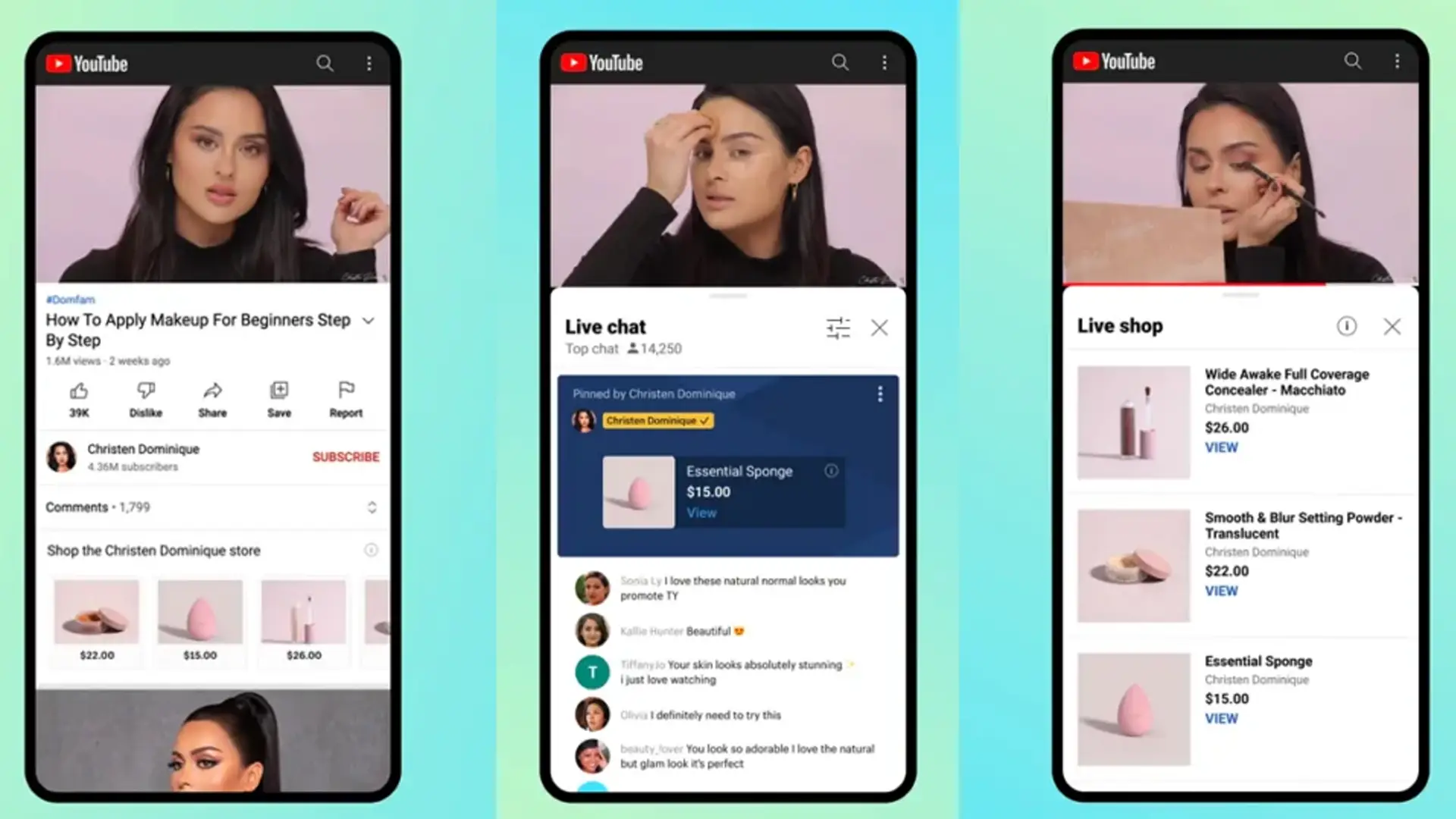
Fashion categories on TikTok Shop have return rates of 20 to 30 percent. Beauty categories run 15 to 25 percent. For sellers in Southeast Asia, where TikTok Shop requires a local return warehouse or the product is destroyed upon return, the cost of a returned item is not just the refund — it is the total loss of the product. Most sellers focus on “how to handle returns” when the real question is “how to prevent the return from happening in the first place” A 5 percent reduction in return rate on a $50,000 monthly revenue store is worth $2,500 per month in recovered margin. That is $30,000 per year, achieved without selling a single additional unit
This article covers the four stages where returns originate and the specific operational changes that reduce return rates at each stage
Stage 1: The product description — returns start before the order is placed
The most common reason for a return is “product did not match the description.” This is rarely a case of intentional deception. It is usually a case of vague or incomplete product descriptions. A fashion product listed as “soft fabric” without specifying the material composition invites returns from buyers who expected 100 percent cotton and received a polyester blend. A product listed as “one size fits most” without specific measurements invites returns from buyers who are size M and received a product that fits XL
The fix: every product description should include the exact material composition, the exact measurements (length, width, height for non-apparel; chest, waist, inseam for apparel), and a size guide that links specific measurements to specific body types. A product listing with complete measurements has a 30 to 50 percent lower return rate for size-related reasons compared to a listing with vague sizing language
Stage 2: The product images — what you show is what you get
Returns due to “product looked different in photos” are the second most common category. The culprit is almost always misleading product images: using studio lighting that makes the product look brighter or more vibrant than it is in natural light, using a model whose body type or skin tone does not match the buyer’s, or using images that show the product from flattering angles only without showing the full 360-degree view
The fix: include at least one image that shows the product in natural lighting, not studio lighting. Include at least one image that shows the product on a model with a range of body types (if applicable). Include at least one image that shows the product from the back, side, and top. The more representative the images, the fewer “looked different” returns
Stage 3: The shipping timeline — disappointment comes from unmet expectations
Returns due to “arrived too late” are not returns in the traditional sense — the buyer kept the product but filed a return because the late delivery caused frustration. The return is a symptom of a shipping expectation gap. The buyer expected delivery in 5 days but the product took 12 days because it was shipped from a cross-border warehouse
The fix: set the shipping expectation before the buyer places the order. Display the estimated delivery window prominently on the product page and in the checkout flow. Do not use “standard shipping: 5-10 days” if the actual delivery time is 10-15 days. The cost of losing a sale because the shipping time is too long is lower than the cost of processing a return because the shipping time was misrepresented. Sellers who are transparent about delivery times have lower return rates even if the delivery times are longer
Stage 4: The unboxing experience — the moment of truth
Returns due to “product was damaged” or “product was not as expected” can be minimized by the unboxing experience. A product that arrives in secure packaging, with clear instructions, and with a return-prevention insert (a card that shows the product in use, the warranty information, and a QR code for customer support) generates fewer returns than a product that arrives in a generic bag with nothing
The unboxing insert is the most underrated return-prevention tool. A card that says “love it? Share your experience. Not happy? Contact us before returning — we will make it right” reduces returns by 15 to 25 percent, because a significant number of returns are triggered by minor issues (wrong color, missing instruction, small defect) that the seller could have resolved with a replacement part or a partial refund
The measurement framework: how to track your return rate by root cause
Most sellers track return rate as a single number: “our return rate is 18 percent.” That number is useless for operational improvement. The useful number is the return rate segmented by root cause: “5 percent of returns are size-related, 4 percent are damage-related, 3 percent are not-as-described, 3 percent are late-arrival, 3 percent are buyer’s remorse.” Each root cause has a different operational fix, and the fixes are independent
To build this framework, add a return reason field to your return processing workflow. When a return is initiated, the customer selects a reason from a dropdown. Categorize the reasons into the four stages above. Within 30 days, you will have a clear picture of where your return rate is coming from and which fix to prioritize
Frequently asked questions
What is the fastest way to reduce return rate
Add accurate measurements to every product listing within 48 hours. Size-related returns are the most common category, and the fix is a one-time investment in updating your product descriptions. Most sellers see a 20-30 percent reduction in returns within 30 days of adding measurements
Should I require customers to provide photos before accepting a return
Yes, for damage-related claims. Requiring a photo of the damaged product before accepting the return reduces fraudulent damage claims by 50-70 percent. The photo requirement should be communicated clearly in the return policy: “We will process your return within 24 hours of receiving your photo.”
Do returns affect my AHR score
Yes, but only seller-fault returns affect AHR. Returns due to “damaged by carrier” or “wrong item sent by TikTok Shop” are not seller-fault. Make sure your return reason classification is accurate so that non-seller-fault returns are not counted against your AHR score
Is it worth offering a partial refund to prevent a return
Yes, if the issue is minor (wrong color, small defect, missing accessory). A partial refund of 10-20 percent of the product value costs less than the return shipping, restocking, and potential product loss. The buyer keeps the product, and the seller avoids the return cost. Most sellers find that a partial refund offer is accepted by 60-80 percent of buyers who initiate a return for a minor issue