A beauty brand that spent $10,000 on a studio-produced campaign video got a 2.3 percent conversion rate. A creator with 50,000 followers filmed the same product in her apartment with a phone mount and natural light, and the video converted at 6.1 percent. The lower-production, higher-authenticity content outperformed by nearly 3x This is not a one-off data point. It is the pattern that the most successful TikTok Shop sellers have internalized while the rest are still paying for studio time
The 2026 shift compounds this gap. TikTok is tightening its enforcement around AI-generated content that does not include creator attribution. The policy is not “AI is bad.” It is “transparency is required.” The sellers who navigate this shift well are the ones who understand the boundary between AI-assisted production and fully synthetic content, and who know which content formats convert best at which authenticity level
The conversion gap between polished and authentic content
Across TikTok Shop categories, the conversion rate gap between production-quality content and user-generated content is consistent and wide. Polished studio content with professional lighting, scripted VO, and multiple camera angles consistently converts between 2 and 3 percent. Semi-pro creator content (filmed by the creator, edited with CapCut, no studio involvement) converts between 4 and 7 percent. Raw UGC content (filmed by actual customers, minimal editing, no professional involvement) converts between 5 and 8 percent, depending on the category
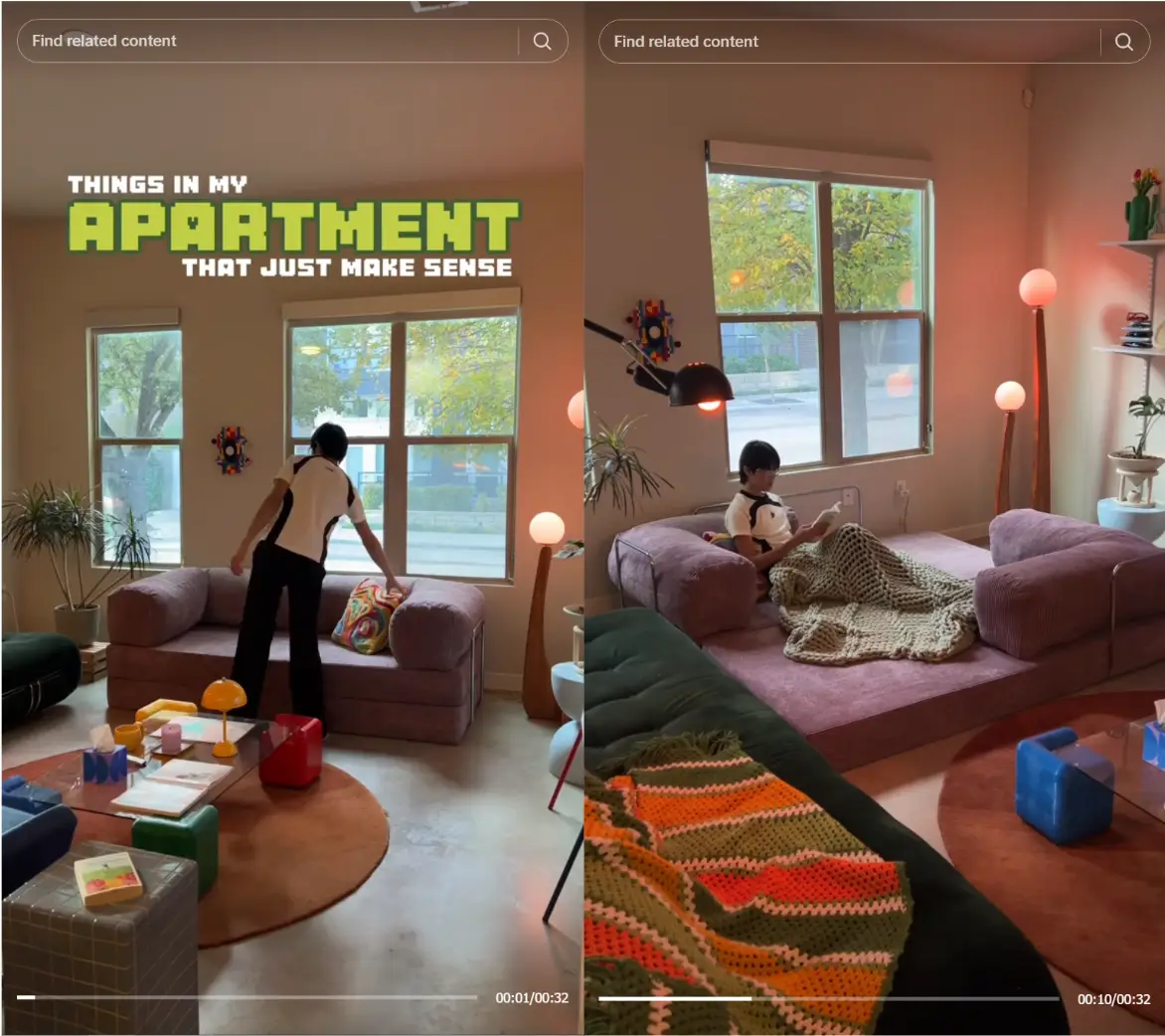
The reason is not that raw content is better. It is that raw content is trusted more. Viewers perceive a polished studio video as an advertisement, which triggers the skepticism that decades of advertising have trained into consumers. A creator in her apartment filming a product that she bought herself triggers the “this is a real person with a real opinion” heuristic. The heuristic is sometimes wrong, but the conversion data shows that it is overwhelmingly consequential
What TikTok’s AI content policy actually requires
As of mid-2026, TikTok requires that any content “generated or significantly modified by AI” must be labeled with the “AI-generated” tag in the posting interface. The policy is enforced through the platform’s automated content detection system, which flags videos that show telltale signs of AI generation: consistent facial smoothing, unnatural lip-sync, repetitive background patterns, and audio that matches known AI voice synthesis profiles
The consequence of non-compliance is not a fine. It is organic reach suppression. Videos flagged as AI-generated without the appropriate tag are dropped from the For You page recommendations. The reach penalty is applied retroactively, meaning a video that was performing well can lose its traffic once the system detects the AI signature. The penalty applies to both the creator who posted the video and the brand whose product is featured, because the platform links the content to the affiliate product
Where AI-assisted content is safe and effective
AI is not banned. It is regulated. The safe zone is AI-assisted production where the human creator remains the face, voice, and primary driver of the content. CapCut AI transitions, automated caption generation, background removal, and color grading are all acceptable. Using AI to generate the entire script, the voiceover, and the visual without a human creator present is not
The operational sweet spot is: AI handles the production mechanics; the creator handles the authenticity The creator films the product demo and the testimonial. The AI handles the B-roll generation, the transition effects, and the background music selection. The result is content that costs 40 percent less to produce than a full studio shoot but retains the creator’s authenticity signal

Three high-risk AI content practices to avoid
1. Fully AI-generated video with no creator face Slideshow-style videos with AI voiceover and stock footage can pass the qualitative “is this useful?” test, but they fail the platform’s authenticity signal. The algorithm detects the lack of human face, the synthetic voice, and the uniform visual patterns. These videos are the most likely to be flagged and suppressed
2. AI-generated scripts that are read verbatim by a creator The creator’s face is present, but the script is entirely AI-generated, and the creator’s delivery is artificial. The algorithm does not flag this directly, but the audience does. Viewers sense the lack of personal experience in the script and scroll past. The conversion rate on AI-scripted content is 30 to 50 percent lower than on creator-written content in the same category
3. AI-generated product reviews that are posted as “original content” Some brands have experimented with generating fake customer reviews using AI-generated faces and synthetic voices. This is a direct violation of both TikTok’s content policy and FTC disclosure rules. The consequences can include account suspension, product delisting, and legal liability for false advertising
How to build a content production pipeline that balances AI and authenticity
The most effective pipeline I have seen from TikTok Shop brands is a three-layer model
Layer 1 (60 percent of content budget): creator-shot UGC Ship samples to 100 to 200 micro-creators per month. Brief them with a one-page document that includes three hook suggestions and one mandatory disclaimer (“this is a paid partnership”). Let them shoot and edit the content themselves. The goal is raw authenticity, not production quality
Layer 2 (30 percent of content budget): AI-assisted creator content Work with your top 10 to 20 creators to produce AI-assisted content. The creator shoots the raw footage; your team (or an AI tool) handles the editing, transitions, and captions. The creator retains creative control over the script and the demo. The result is higher production value without sacrificing authenticity
Layer 3 (10 percent of content budget): studio-shot hero content Reserve studio production for product launches, seasonal campaigns, and brand-story content. These videos are optimized for awareness and brand-building, not direct conversion. The lower conversion rate is acceptable because the goal is reach, not immediate sales
How to audit your own content for AI compliance risk
Run a quick audit on your last 30 days of affiliate content. Pull every video that features your product. Classify each video into one of three buckets: human-led (creator face, creator voice, creator script), AI-assisted (creator face, AI used for editing/effects), AI-generated (no creator face, synthetic voice, AI script). For any video in the AI-generated bucket, check whether the “AI-generated” tag was applied at posting. If not, that video is a compliance risk
For the human-led and AI-assisted buckets, the compliance risk is near zero. For the AI-generated bucket, the risk is real and the mitigation is simple: tag the content appropriately and shift future production toward the AI-assisted model
Frequently asked questions
Can I use AI-generated B-roll footage in a creator-led video
Yes, as long as the creator is the primary content driver and the B-roll is clearly supporting footage. The “AI-generated” tag is required for the B-roll if it is generated by AI, but the overall video will still pass the platform’s authenticity signal because the creator’s face and voice are present
Does TikTok’s policy apply to AI-generated captions and translations
No. AI-generated captions, subtitle translations, and text overlays are not considered “content modification” under the policy. These are production tools that do not affect the authenticity signal
What happens if a creator I work with posts AI-generated content without the tag
The platform’s enforcement targets the content, not the brand relationship. The creator’s video may be suppressed, and the product link in the creator’s video may be disabled. The brand’s account is not directly penalized, but the creator may stop working with the brand if they believe the brand’s briefing process caused the violation
Should I replace my existing AI-generated content pipeline with human creators
Not entirely. Replace the fully synthetic content with AI-assisted content. The goal is to keep the efficiency gains from AI production tools while adding the human authenticity layer that the platform (and the audience) requires. The AI-assisted model costs more than fully synthetic content but less than studio production, and the conversion rate is meaningfully higher than either