Most affiliate marketers who expand to TikTok Shop arrive with a working playbook. They know how to negotiate commission rates, track conversions through pixels, and build outreach sequences that convert on search-driven platforms. Then they send their first batch of creator outreach messages on TikTok—and hear nothing back.
The silence isn’t because creators are unresponsive. It’s because the structural assumptions baked into traditional affiliate marketing don’t hold on TikTok, and experienced marketers often don’t realize they’ve made the leap until they’re already losing budget on the wrong partnerships.
The Structural Difference That Breaks Traditional Affiliate Thinking
The most important mental shift for marketers entering TikTok Shop affiliate outreach isn’t about new tools or commission structures—it’s about who holds leverage in the relationship.
On conventional affiliate networks, brands typically approach publishers who actively seek out products to monetize. Publishers run review sites, comparison pages, or email newsletters. They control the content and the placement. A brand’s job is to be findable in search and persuasive enough to earn the click-through.
TikTok inverts this. Creators build audiences around personal brand, content style, and niche identity—not around product positioning. When a brand reaches out, they’re asking a creator to integrate a product into a format that already works for that creator’s existing audience. The creator decides whether the integration makes sense, whether the brand’s product fits their content voice, and whether the compensation justifies the effort. That power imbalance shapes everything about how you should approach outreach, partnership terms, and content expectations.
A second structural difference sits underneath the entire ecosystem: TikTok Shop is a closed-loop environment. Discovery and purchase happen without leaving the platform. A user watches a creator demonstrate a product, taps a link in the video, and completes the transaction inside TikTok. This compresses what would traditionally be multiple touchpoints—awareness, consideration, conversion—into a single piece of content.
That compression changes attribution fundamentally. Your affiliate tracking depends on TikTok’s internal reporting systems rather than your own pixel or third-party cookies. What you measure and how you interpret performance will differ from your existing affiliate reporting. Building accurate expectations around this before you launch prevents the post-campaign confusion that leads teams to misjudge whether a creator partnership actually worked.
Essential Terminology Before You Reach Out
If you walk into your first creator conversation without knowing the operational language of TikTok Shop, creators will notice within seconds. It signals inexperience and typically results in lower response rates or less favorable terms. This isn’t about sounding corporate—it’s about understanding the ecosystem well enough to have a productive partnership conversation.
Creator Marketplace
The Creator Marketplace is TikTok’s official platform for connecting brands with creators. Think of it as a managed directory rather than an open exchange: brands post partnership opportunities, and creators apply directly. This inverts the prospecting model common on traditional affiliate networks, where brands cold-reach individual publishers. On TikTok, you’re evaluating a pool of applicants, which requires a different evaluation framework—and different outreach etiquette.
Product Showcase
The Product Showcase is the feature layer that connects creator videos to purchasable items. It enables the TikTok Shop tag that appears on participating videos and allows users to tap through to purchase without leaving the app. Without understanding this feature, you cannot effectively brief creators on product presentation, and you’ll miss opportunities to align your brand’s display with platform conventions that users already recognize.
Commission Tiers
Commission Tiers define how creators earn from your sales through TikTok Shop. These structures often offer higher base percentages than traditional affiliate networks, reflecting TikTok’s distinct creator economy. Offering the wrong tier signals either inexperience or misalignment with your actual margins—there is no universal standard. What matters is understanding how your compensation structure positions you relative to competing offers creators receive in their inboxes.
How the TikTok Shop Affiliate Funnel Works
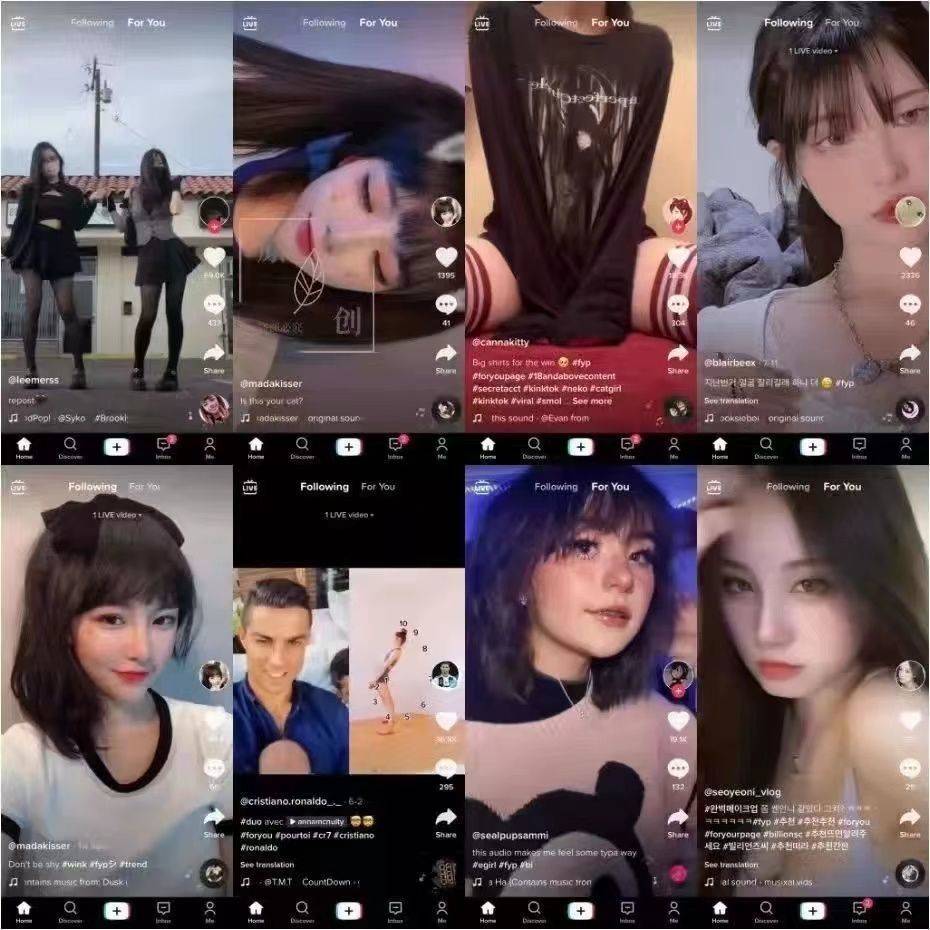
The TikTok Shop affiliate funnel operates differently from search-based affiliate models because discovery is algorithmic, not query-driven. Users don’t go to TikTok looking for products the way they might on Google. They encounter products while consuming entertainment content. Shoppable videos serve as the intersection point where discovery and conversion meet. The content format itself is the conversion mechanism—you cannot treat TikTok affiliate content as equivalent to embedding links in a blog post.
What Actually Works in TikTok Shop Affiliate Outreach
Understanding why traditional affiliate thinking breaks down is necessary but not sufficient. You need practical criteria for evaluating creators and structuring partnerships that actually get off the ground.
Creator Evaluation: The Criteria That Predict Performance
Follower count is a consistently misleading metric on TikTok. A creator with 15,000 followers posting consistent, niche content typically converts at a higher rate than a creator with 150,000 followers posting broadly across unrelated topics. The metrics that actually predict purchase behavior are engagement rate relative to follower size, audience demographic overlap with your product, content format consistency, and comment sentiment on previous sponsored content.
One judgment boundary worth noting: engagement rate thresholds that work on Instagram often don’t translate directly. TikTok audiences engage differently. Watch time, share rate, and the quality of comments on a creator’s videos often matter more than raw like counts. When a creator’s video generates 2,000 likes but the comment section shows genuine product questions, real recommendations, and thoughtful questions, that signals stronger affiliate potential than 20,000 likes with generic emoji responses.
Red flags that suggest misalignment include sudden engagement drops (which can indicate audience fatigue or purchased followers), content that jumps across unrelated niches, and creators who primarily repost trending audio without original commentary. Audiences that follow trends rather than the creator are difficult to convert because the relationship is with the content format, not with the creator’s voice or recommendation.
Outreach Execution: Boundaries and Tradeoffs
The most common execution mistake marketers make is treating outreach as a volume game. Mass outreach templates perform poorly on TikTok because creators receive partnership requests regularly and can identify generic messages instantly. Effective outreach references specific content the creator has posted, explains why your product fits their audience naturally, and demonstrates that you’ve actually evaluated them rather than pulled a list from a database.
On commission structures, exact ranges shift based on product category and creator tier—verify current market benchmarks before finalizing your offer. What remains consistent is that TikTok creators often weigh visibility and alignment benefits alongside monetary compensation. Budget for a testing phase where initial conversions may underwhelm while you refine your creator-audience matching. Most teams underestimate this timeline—expect several weeks between your first outreach and data meaningful enough to act on.
Mistakes Marketers Make and How to Avoid Them
Knowing what to do is half the problem. The other half is understanding which assumptions, if left unchallenged, will derail your campaign before it produces usable data.
Assumptions That Don’t Transfer
The most common trap is believing your existing affiliate network relationships will translate to TikTok without adjustment. They won’t. TikTok Shop operates with a distinct creator ecosystem and content format expectations. Partners who perform well on traditional affiliate networks often lack the short-form video experience TikTok demands. Expecting them to adapt without explicit briefing creates friction that damages both the relationship and your launch timeline.
A second frequent mistake is underestimating TikTok’s content format requirements. Short-form video is not a distribution channel for existing creative assets. TikTok rewards content that feels native to the platform, which means your affiliate program needs original production planning—not repurposed brand materials. Teams that treat TikTok as an afterthought in their content workflow consistently produce campaigns that feel disconnected from the platform’s norms, and creators who produce those campaigns will associate your brand with missed expectations.
Compliance Boundaries You Must Know
TikTok requires transparent disclosure within video content itself, not only in description fields. Viewers must see or hear sponsorship acknowledgment in the video—text disclosures in captions often go unseen by mobile users who don’t scroll. This affects how you brief creators and how your compliance team reviews content before publication.
Content restrictions extend to certain product categories. Health claims, financial products, and weight-loss-related items face heightened review on TikTok compared to standard affiliate channels. Violations can trigger account penalties that interrupt campaigns mid-flight and damage both your brand standing and your creator relationships. Understanding these boundaries before you launch is not optional—it’s part of responsible campaign setup.
Quick-Start Glossary and Reference Sheet
Affiliate Funnel: The path from content discovery to purchase conversion. On TikTok Shop, this funnel is compressed—awareness, consideration, and conversion often happen within a single video view.
Commission Tier: The compensation structure that defines what creators earn per sale through your affiliate links. Tier levels typically vary by product category and creator performance history.
Creator Marketplace: TikTok’s official hub where brands post partnership opportunities and creators apply. The primary discovery tool for finding TikTok-native affiliate partners.
Product Showcase: The feature layer connecting creator videos to shoppable products, enabling the TikTok Shop tag and in-app purchase flow.
Vanity Metrics: Performance signals—follower counts, raw like numbers—that look impressive but don’t reliably predict purchase behavior on TikTok.
Frequently Asked Questions
How does TikTok Shop affiliate tracking differ from traditional affiliate networks?
TikTok Shop uses a closed-loop tracking system that operates entirely within the platform. Unlike traditional affiliate networks where brands track conversions through pixels or third-party cookies, TikTok’s internal attribution determines affiliate credit. This means your reporting depends on TikTok’s dashboard rather than your own analytics stack.
What metrics matter most when evaluating TikTok creators for affiliate partnerships?
Engagement rate relative to follower size, audience demographic alignment with your product, content format consistency, and comment sentiment on previous content matter more than follower count alone. Watch time and share rate often predict purchase behavior more reliably than like counts.
Can I use my existing affiliate network partners for TikTok Shop?
Partners from traditional affiliate networks often lack the short-form video content experience TikTok requires. You can include them in outreach, but expect to provide explicit briefing on TikTok’s content format requirements, disclosure standards, and platform-specific expectations.
What compliance requirements affect TikTok Shop affiliate campaigns?
TikTok requires sponsorship disclosure to appear within video content itself—spoken or visual acknowledgment during the video, not only in text captions. Certain product categories including health claims, financial products, and weight-loss items face heightened platform review and require careful compliance planning before launch.