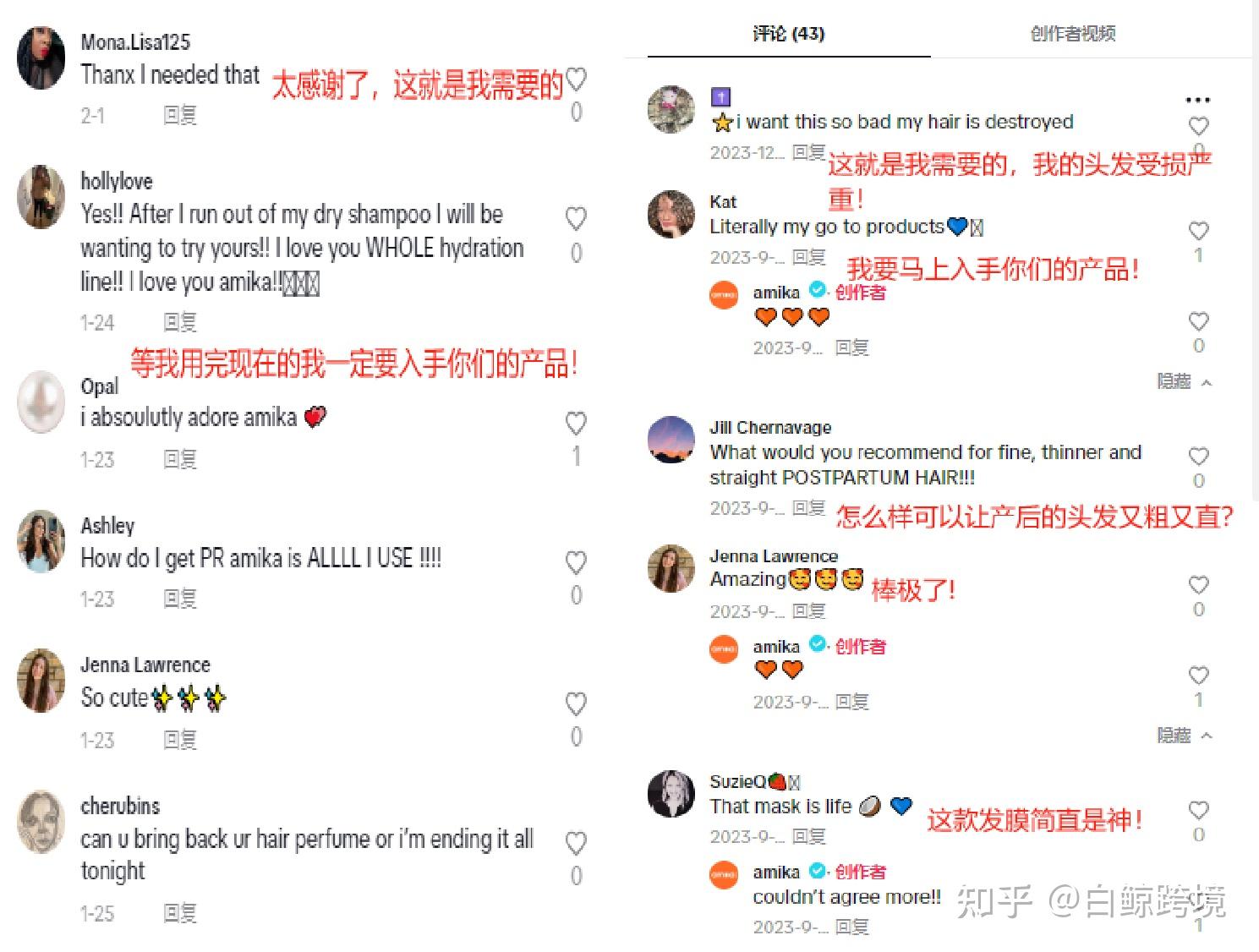
Most new brand founders approach TikTok creator outreach the same way they’d approach any other marketing channel: find people with large followings, send them a pitch, wait for responses. This assumption is where the first mistake happens.
When you have zero track record, you’re not just another brand asking for attention—you’re an unknown entity asking creators to stake their reputation on something no one has validated yet. The credibility gap is real. A creator considering your collaboration has likely been burned before by brands that overpromised, sent late payments, or produced campaigns that tanked engagement because the product wasn’t worth the audience’s time.
The Real Challenge: Why Creator Outreach Is Different for New Brands
The dominant misconception is that follower count equals campaign success. Many first-time outreach campaigns quietly fail because founders chase large audiences instead of relevant ones. A creator with 50,000 highly engaged followers in your niche will outperform one with 500,000 followers who attracts a mismatched audience. Relevance beats reach every time for new brands trying to build authentic traction.
Another mistake is leading with what you want rather than what you offer. Opening an outreach message with “we’d love to feature your account” signals that you haven’t done your homework and that you’re thinking about the transaction, not the collaboration. Creators can smell transactional intent from the first line.
Established brands can leverage social proof. “As seen in Forbes” or “Trusted by 10,000 customers” gives creators an immediate reason to take the meeting. New brands have none of that. This creates the social proof chicken-and-egg: you need creator content to build credibility, but creators need credibility to take you seriously.
The solution isn’t to wait until you have social proof. It’s to reverse the order. Before sending a single outreach message, invest in proving that you’ve done your homework on the creator’s audience, that you understand their content style, and that you’re proposing a partnership rather than a favor. First-mover advantage goes to brands that approach creators as collaborators first and advertisers second.
Map Your Creator Landscape Before Sending a Single Message
Most new brand founders jump straight into outreach because they assume the problem is volume—blast enough messages and someone will say yes. That instinct wastes time and burns credibility before you even start. The real work happens before you touch a single inbox.
Define Your Niche: Micro vs. Mid-Tier Creator Thresholds
The follower count question gets asked constantly, and the honest answer is that numbers matter far less than fit. A creator with 8,000 highly engaged followers in your specific category will outperform a creator with 150,000 followers who reaches a general audience. The engagement rate benchmark to look for is typically 3% or higher for accounts under 50,000 followers—if that rate drops below 1.5%, the audience is likely passive or purchased.
For new brands, micro creators (1,000–50,000 followers) offer lower risk and higher relatability. Their audiences tend to trust recommendations more because the creator feels accessible. Mid-tier creators (50,000–500,000) bring broader reach but often come with higher expectations, more formal processes, and a higher likelihood of using agencies or management teams that slow down your outreach. Start micro to build proof of concept, then expand upward once you have case studies to share.
Build a Research Stack: Free Tools for Creator Discovery
You do not need expensive creator marketplace platforms to find viable partners. Start with TikTok’s native search function—search your product category, browse trending sounds in your niche, and note which creators consistently appear. Look at comment sections on posts in your category to find creators who are actively engaging with their audience rather than broadcasting.
Use the following free approaches to validate creators before reaching out. First, cross-reference their Instagram or YouTube if they operate cross-platform—their follower consistency across channels reveals whether their audience is real. Second, examine their posting frequency and recency. Creators who post sporadically or haven’t posted in weeks are unlikely to prioritize your collaboration. Third, check if they have previously worked with brands and how those posts performed. Look for engagement patterns on brand content specifically, not just their personal posts.
Red Flags to Screen Out Before Outreach
Not every creator in your niche is worth approaching. Watch for signs of inauthentic engagement: comment sections filled with generic emoji responses rather than substantive conversation, follower counts that jumped dramatically over short periods, or bios that look like they were written by keyword stuffers rather than actual humans.
Beyond engagement quality, assess brand alignment. A creator whose content contradicts your product values—even if they have a large audience—creates risk. If a beauty brand reaches out to a creator known for minimalist, no-product content, the fit feels forced and audiences will notice.
Craft Outreach That Gets Responses Without Existing Social Proof
The Personalized First-Move: Why Templates Alone Fail
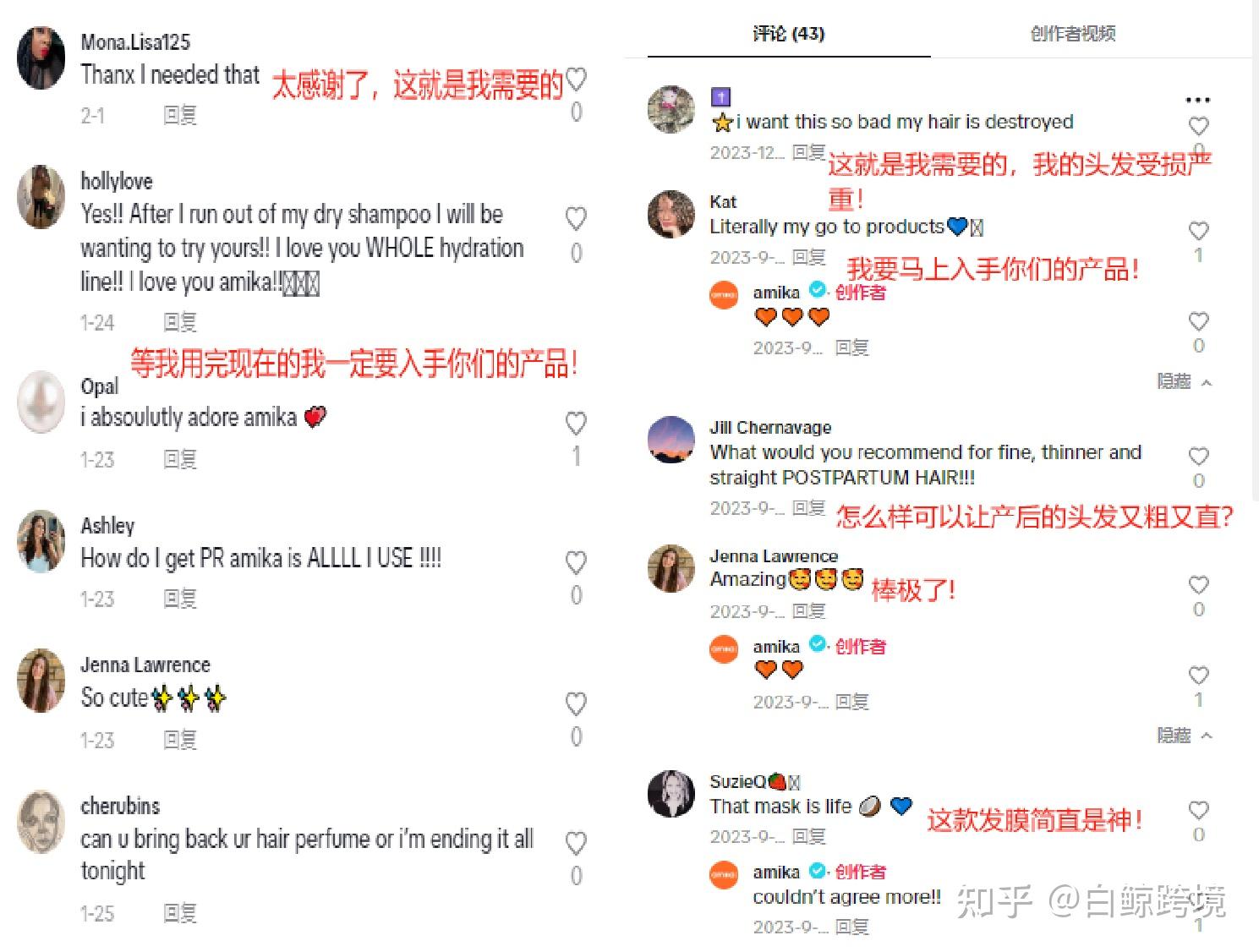
When you are reaching out to creators as an unknown brand, the inbox is your first battlefield. TikTok creators receive dozens of partnership inquiries daily, and most of them follow the same pattern: a generic greeting, a product description, and a request to “collab.” This is exactly why template-based outreach fails for new brands. Without an established reputation to lean on, your message needs to earn attention on its own merit, not borrowed credibility.
The real problem with copy-paste templates is that they signal low effort. Creators can spot a mass-message within seconds, and when they do, your brand gets filed under “spam” without a second look. The solution is not a better template—it is abandoning the template mindset entirely and moving toward genuine observation-based outreach.
What to Include in Your Initial Outreach Message
A strong first message for new brand outreach has four non-negotiable elements. First, open with something specific about the creator’s work. Reference a specific video, a recurring format they use, or a topic they cover that genuinely connects to your brand. This proves you are not blasting cold messages to a random list.
Second, introduce your brand without marketing language. State what you make, who it serves, and why you believe it fits their audience—but keep it brief and factual. Third, propose a specific collaboration idea instead of an open-ended ask. Rather than saying “would you be interested in working together?”, suggest a concrete format: a product demo, an honest first-impression review, or a use-case video you think their audience would value. Specificity signals professionalism and makes it easier for creators to visualize the partnership.
Fourth, close with a clear but flexible next step. Offer to send a product sample, share your brand guidelines, or jump on a quick call—but do not demand an immediate answer. Give creators time to consider. One practical boundary to observe: do not lead with compensation terms in your first message unless you are explicitly offering paid placement. Leading with money signals transactional intent and undermines the relationship-building approach that works best for new brands without social proof to showcase.
Follow-Up Timing and Boundaries: When to Stop Asking
Following up is appropriate and expected—but there are limits. Send one follow-up message five to seven days after your initial outreach if you haven’t received a response. Keep that message brief: a single sentence acknowledging your original message and asking if the timing is wrong for them.
If you receive no response to the follow-up, remove that creator from your pipeline. A second follow-up crosses into persistence that damages your brand reputation. Respect the silence—it usually means the creator is either overwhelmed, not interested, or a poor fit. Move on and find the next creator who might be.
Turn First Partnerships Into Repeatable Creator Campaigns
How to Brief Your First Creator Without Over-Controlling the Content
A common mistake new founders make is treating a TikTok creator like a freelance copywriter. You send a script, expect word-perfect delivery, and wonder why the video feels stiff. Creators on TikTok earn trust through authenticity. When you dictate the talking points too precisely, the content reads as advertising rather than recommendation.
The better approach separates must-haves from nice-to-haves. Must-haves are your non-negotiables: accurate product claims, required disclosures, brand safety boundaries. Nice-to-haves are everything else—tone, format, hook style, background setting. Be explicit about which category each element falls into. If you cannot articulate why something matters to the audience rather than to your brand, treat it as a nice-to-have and let it go.
Before sending the brief, ask yourself one question: does this creator’s existing content suggest they can present this product naturally? If the answer is yes, your brief should support their creative instincts rather than replace them. If the answer is no, you have found a red flag during creator research—do not proceed with outreach.
Setting Performance Expectations for First Campaigns
New brands often expect their first creator post to generate measurable sales. This expectation is understandable but frequently counterproductive. The first campaign’s real value is proof of concept: does the creator’s audience respond to the product? Does the content format work? Do the comments indicate genuine interest or generic hype?
Focus your measurement on leading indicators rather than immediate conversion. Comment sentiment, saves, shares, and click-through rates to your profile or link give you signal without requiring the creator to have an established conversion track record. View count alone tells you very little about whether TikTok creator outreach works for your specific product and niche.
Document your baseline. Before the post goes live, note your current follower count, engagement rate, and any relevant traffic patterns. After the campaign, compare. The delta tells you whether to invest more in this creator type or adjust your approach. What metrics matter more than views: saves indicate content people want to revisit, shares extend your organic reach, and comments reveal whether the audience is engaged or passive.
Scaling: When to Formalize Creator Programs vs. Stay Tactical
Most new brands start with ad-hoc outreach—one creator at a time, manual tracking, informal agreements. This works when you have fewer than ten active creator relationships. Once you find yourself managing more than that, or when creators start coming to you rather than the reverse, it is time to formalize.
Formalization means creating a creator brief template, establishing compensation guidelines, and setting clear performance benchmarks. It does not mean losing the personal touch that made early partnerships work. The best creator programs scale the relationship quality, not just the volume.
Starter Checklist: Your First TikTok Creator Outreach Action Items
Use this checklist before, during, and after your first creator outreach campaign to stay organized and avoid common pitfalls.
Pre-Outreach Research Checklist
- Define your niche criteria: audience interests, content format, and engagement patterns that align with your product
- Identify three free tools for creator discovery: TikTok search, cross-platform validation, comment analysis
- Screen for red flags: fake engagement indicators, brand misalignment, inconsistent posting schedules
- Establish creator tier thresholds: micro (1K–50K) for testing, mid-tier (50K–500K) for scaled campaigns
- Target engagement rate minimum: 3% for accounts under 50K followers
Outreach Execution Checklist
- Draft personalized message with specific observation about creator’s work
- Include brief brand introduction without marketing language
- Propose specific collaboration format rather than open-ended ask
- Set clear but flexible next-step CTA
- Schedule follow-up for 5–7 days if no response
- Remove non-responsive creators after one follow-up
- Track outreach status in pipeline spreadsheet
Partnership Launch Checklist
- Deliver brief with must-haves clearly labeled vs. nice-to-haves
- Align on creative freedom and brand guideline boundaries
- Document pre-campaign baseline metrics
- Monitor leading indicators post-launch: saves, shares, comments, profile visits
- Evaluate proof of concept before scaling to next creator tier
- Plan formalization when active creator relationships exceed ten
Frequently Asked Questions
What follower count should I target for my first TikTok creator partnership? For new brands without social proof, micro creators between 1,000 and 50,000 followers offer the best balance of accessibility, engagement quality, and relatability. Focus on engagement rate (3%+ for smaller accounts) over raw follower numbers.
How many creators should I reach out to before expecting a response? Response rates for cold outreach typically range from 1–5% for unknown brands. Plan to outreach to at least 20–30 relevant creators before expecting your first partnership conversation.
Should I offer free products or paid partnerships for first creator collaborations? Start with product seeding for micro creators in your niche—this lowers the barrier to entry and lets you build case studies. Reserve paid partnerships for mid-tier creators once you have proof of concept to share.
How do I measure success for my first creator campaign? Prioritize leading indicators: saves, shares, comment sentiment, and profile link clicks. View counts alone do not indicate whether the collaboration works for your brand. Compare pre- and post-campaign baseline metrics to assess real impact.
Key Takeaways for New Brand TikTok Creator Outreach
Building creator relationships from zero requires a fundamentally different approach than outreach for established brands. Your credibility gap is real, but it is bridgeable. Start by mapping your creator landscape before sending a single message—relevance matters more than reach, and engagement quality matters more than follower count.
Personalize every outreach message with specific observations about the creator’s work. Propose concrete collaboration formats instead of vague partnership ideas. Follow up once, then move on if you receive no response. Brief creators with clear must-haves and generous creative freedom. Measure proof of concept through leading indicators, not sales conversions.
The brands that win at TikTok creator outreach as newcomers are the ones who approach creators as collaborators first and advertisers second. Do the homework. Make the message specific. Build the relationship before you ask for the post.