Why Fashion Creator Discovery Follows Different Rules
When brand managers start looking for TikTok affiliates for fashion brands, the instinct is to search hashtags, sort by follower count, and build a list. That process feels efficient. It is also, in most cases, exactly wrong. The fashion creator space does not reward the same discovery logic that works in other verticals. A creator with 500,000 followers who posts dance videos with occasional fashion mentions will consistently underperform a creator with 40,000 dedicated followers who talks about nothing but sustainable wardrobe building. The gap comes down to audience alignment, not reach.
The Fashion Creator Space Is Crowded and Misleading
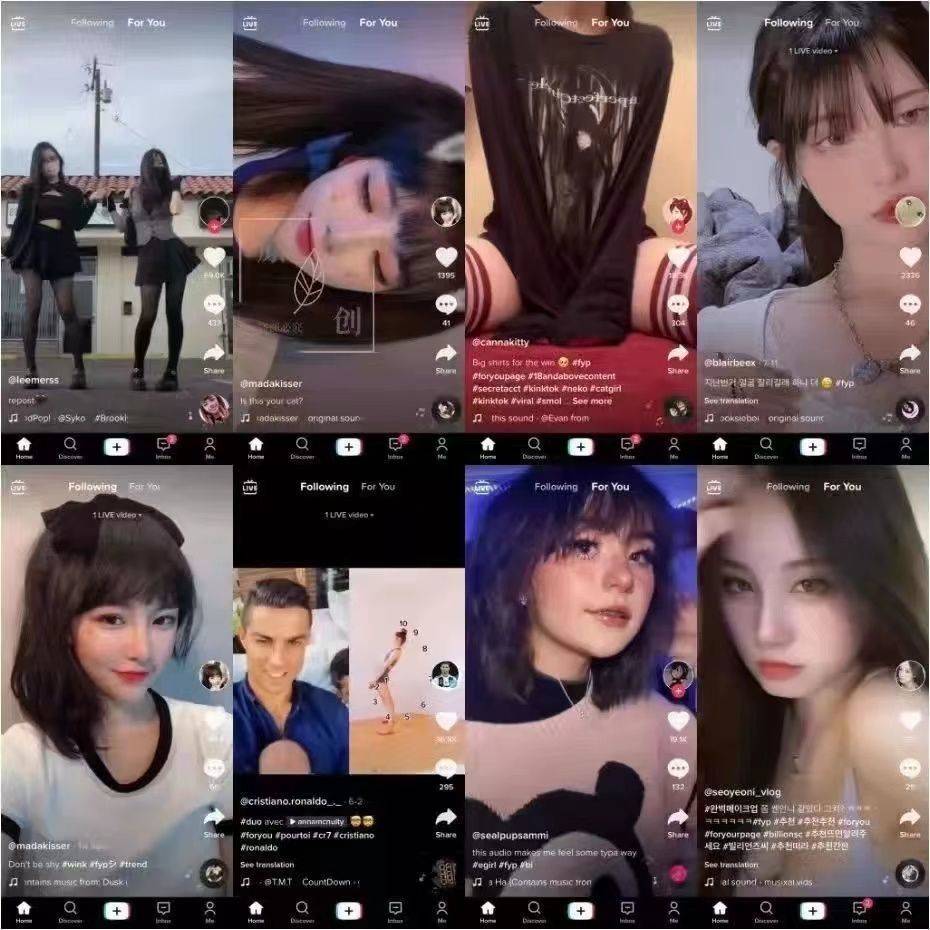
Fashion dominates TikTok. That saturation creates two distinct problems for affiliate recruiters. First, the sheer volume of creators makes it nearly impossible to manually separate those who genuinely influence purchasing decisions from those who accumulated followers during a viral moment and never converted that attention into engaged community. Second, many creators with impressive follower numbers treat fashion as peripheral content. Their audiences followed them for comedy, lifestyle, or dance—not for style recommendations. When you are finding TikTok affiliates for fashion brands, follower count becomes one of the least useful sorting criteria you could choose.
The engagement rate versus follower count distinction is the practical boundary most teams miss. A creator averaging 8% engagement in the fashion niche will typically outperform a creator with ten times the followers but 1.5% engagement on fashion-adjacent content. Before reaching for any discovery tool, internalize this rule: prioritize demonstrated influence within your specific category rather than general popularity.
Why Standard Discovery Tactics Fall Short
Searching TikTok hashtags like #fashion or #style captures the broadest, most competitive tier of creators. These hashtags function as popularity contests rather than qualified audience indicators. Every emerging trend gets lumped together, making it nearly impossible to distinguish between creators who can move product and those who create trend-driven content designed to chase algorithm rewards.
Manual scrolling through search results compounds the problem. The algorithm surfaces content based on engagement velocity, which does not translate to consistent affiliate performance. A video that went viral last week might represent a creator’s only major hit, while more reliable creators get buried because their audiences engage at a steadier, less explosive pace. Discovery methods that feel efficient—bulk hashtag searches, follower-based sorting—tend to surface creators who require the least effort to find, not those who generate the most affiliate revenue.
Five Discovery Methods That Actually Work for Fashion Brands
The gap between having a fashion affiliate program and actually finding creators who can move your product is where most brands stall. The market is saturated with creators claiming fashion expertise, but the real work begins with choosing the right discovery channel for your specific audience and category. What works for a streetwear brand will not necessarily surface the right partners for luxury accessories, and using the wrong tool at this stage wastes more time than it saves.
Using TikTok’s Built-In Creator and Affiliate Tools
TikTok’s native ecosystem offers two primary pathways for creator discovery. The Creator Marketplace provides searchable creator profiles with audience demographics, content categories, and performance history. You can filter by fashion-adjacent content tags and examine whether a creator’s existing brand partnerships overlap with your positioning. This matters because a creator who already works with competitors may either be overexposed to your audience or demonstrate proven ability to convert in your category.
Before relying exclusively on this tool, understand its practical boundaries. The Creator Marketplace shows creators who have opted into the platform’s ecosystem, which means you are working with a curated subset rather than the full creator landscape. Smaller creators building their presence may not appear in marketplace listings yet, creating a gap if your strategy targets micro-influencers in emerging fashion niches. The affiliate program activation within TikTok itself lets you convert discovered creators into official partners, but only after you have completed your own vetting work. Built-in does not mean automated.
Leveraging Third-Party Influencer Discovery Platforms
External platforms expand your search radius significantly. Most allow filtering by niche, follower range, engagement rate, and content category—capabilities that native tools often lack. For fashion brands, the critical filter is aesthetic consistency: a creator might have strong engagement metrics but produce content in a style that clashes with your visual identity. Cross-reference platform data with direct observation of the creator’s recent content before investing time in outreach. The most useful metric to verify manually is comment quality—genuine audience interaction signals a creator who can actually drive purchasing decisions, not just impressions.
Mining Creator Communities and Network Referrals
Fashion creators tend to cluster in communities—Facebook groups, Discord servers, and smaller TikTok creator circles where they share tips, collaborate on content, and discuss brand partnerships. These spaces reveal creators who are actively seeking brand partnerships rather than waiting for cold outreach. Reaching into these communities requires relationship-building rather than transactional outreach, but the quality of candidates is typically higher because creators who self-select into collaborative spaces tend to be more professional and more engaged with their audiences.
Reverse-Engineering Competitor Collaborations
Public data makes competitor discovery viable. Identify fashion brands with similar positioning to yours and examine their TikTok presence. Look at which creators they tag in posts, which brands appear in their content, and which affiliate-style videos they have published. You can also analyze comment sections on competitor TikToks to identify creators who are actively being mentioned by their audiences. Creator brand tag tracking reveals partnerships that may not be officially announced but are already in motion.
Identifying Micro-Creators in Niche Fashion Communities
For fashion brands with a defined aesthetic focus, micro-creators often deliver stronger alignment than macro-influencers. A creator with 15,000 followers who has built a dedicated community around sustainable denim will generate more conversions for a sustainable denim brand than a lifestyle creator with 300,000 followers who mentions fashion occasionally. The practical advantage is audience trust: smaller creators tend to have closer relationships with their followers, and that trust translates directly into higher conversion rates for affiliate recommendations.
How to Vet TikTok Creators Before You Reach Out
The moment you identify a potential TikTok affiliate, the temptation is to reach out immediately. Resist it. Fashion brands that skip proper vetting often pay in two ways: wasted commission on low performers, or worse, content that damages brand positioning in front of an audience that never converts. Vetting is where affiliate program economics are actually decided.
Engagement Quality Over Raw Follower Numbers
Follower counts remain the most misleading metric in creator evaluation. A fashion creator with 500,000 followers and a 1% engagement rate is often less valuable than one with 50,000 followers and a 7% rate. When evaluating engagement, prioritize three signals. First, examine comment quality—do followers leave substantive responses or generic emoji reactions? Second, check save and share rates, which indicate that content is valuable enough to revisit or distribute further. Third, look at the ratio of likes to comments; an unusually high like-to-comment ratio often suggests passive consumption rather than active community building.
Content Consistency and Brand Alignment
Fashion is an aesthetic category. A creator who shifts between vintage thrift finds and luxury designer pieces may have an engaged following for one style but not the other. Before reaching out, review at least 30 days of their content and ask two questions: Does their visual language match your brand identity? And does their content theme align with what you are actually selling? Beyond aesthetics, verify audience demographics by examining what the creator’s audience says about itself in comments and bios. If your product skews toward professional women aged 28 to 40, a creator whose audience consistently references student life and campus fashion is a poor fit regardless of engagement metrics.
Red Flags That Should Pause Any Outreach
Watch for sudden follower spikes without corresponding engagement increases—this often indicates purchased followers. A content history that shifts dramatically in topic or tone suggests the creator is chasing trends rather than building a defined audience. Inconsistent posting schedules can also signal that the creator is not treating their platform presence seriously enough to be a reliable affiliate partner. All three patterns increase the risk of poor conversion and brand misalignment.
Fashion Brand TikTok Affiliate Discovery Checklist
Most brands approach TikTok affiliate discovery without a clear operational framework. They find creators, send pitches, and wonder why response rates are low or partnerships feel transactional. The issue is almost never the creators—it is the lack of preparation before discovery begins. This checklist transforms scattered outreach into targeted creator partnerships that align with your brand identity and audience expectations.
Pre-Search Preparation
- Define your target audience with precision, including age range, style sensibility, price sensitivity, and content consumption habits
- Create an audience persona that reflects how your ideal customers describe their style preferences on TikTok, not how your brand describes them
- Prepare a niche keyword list that will become the foundation of every search you run and every filter you apply
Discovery Phase Checklist
- Set platform filters using your prepared niche keywords rather than broad terms like fashion
- Filter by follower count ranges that match your strategy—micro-creators often deliver stronger engagement alignment for niche fashion brands
- Monitor creator communities and collaboration groups where fashion creators naturally congregate
- Document every candidate with notes on aesthetic, audience demographics, and engagement patterns before moving to the next candidate
Vetting and Outreach Readiness
- Confirm audience demographics align with your target customer profile
- Check that content aesthetic maintains consistency with your brand visual identity
- Review engagement patterns for authenticity—sudden follower spikes or erratic comment activity are warning signs
- Verify that the creator’s content theme aligns with what you are actually selling before initiating contact
Frequently Asked Questions
Why do follower counts mislead fashion brand marketers? Follower counts measure reach but not influence. In fashion, audience trust and aesthetic alignment drive conversions. A creator with 30,000 engaged followers who discuss fashion consistently will outperform a creator with 500,000 followers who posts fashion content occasionally.
What metrics matter most when evaluating TikTok fashion creators for affiliate partnerships? Prioritize engagement rate within your specific category, comment quality, save and share rates, and audience demographic alignment with your target customer. These metrics indicate genuine influence rather than general popularity.
Should fashion brands prioritize micro-creators over macro-influencers for affiliate programs? For most fashion brands with a defined aesthetic focus, micro-creators deliver stronger conversion rates because of audience trust and alignment. Macro-influencers may be appropriate for mass-market brands seeking reach over precision targeting.
How can fashion brands discover creators who have not yet built large followings? Monitor creator communities and collaboration groups where emerging fashion creators gather. Use niche-specific keywords in your searches rather than broad fashion hashtags. Building relationships with micro-creators early creates partnership opportunities before they become expensive.
Key Takeaways
Finding TikTok affiliates for fashion brands requires moving past surface-level signals toward genuine audience alignment. Prioritize engagement quality over follower counts, use niche-specific filters instead of broad hashtags, and invest in proper vetting before reaching out. The brands that generate consistent affiliate revenue are the ones that treat creator discovery as a strategic function rather than a checklist exercise.