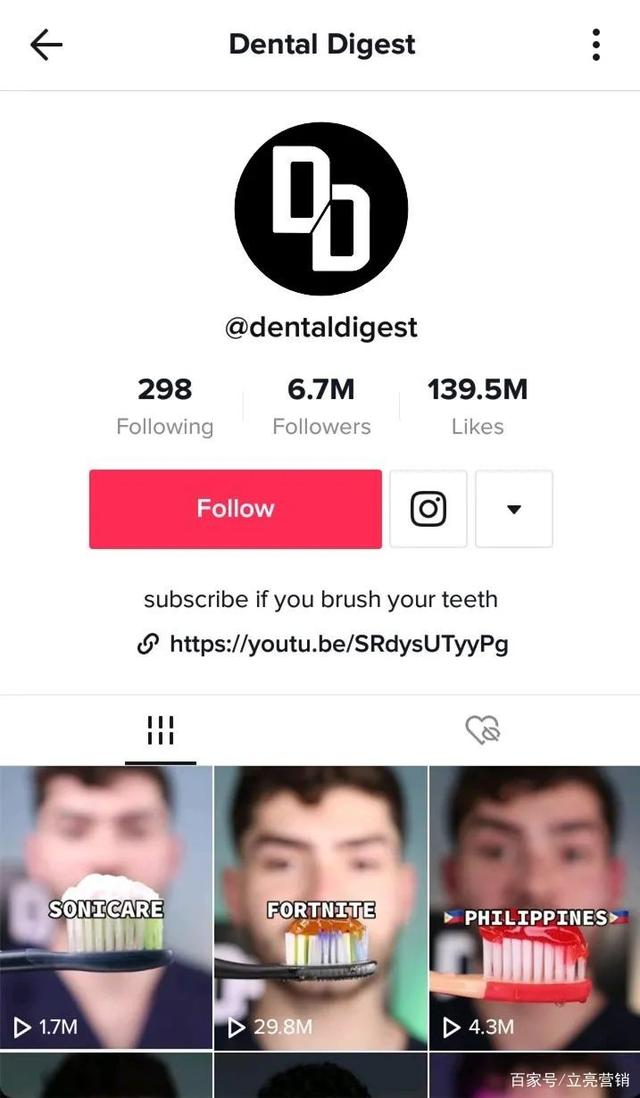
When a local bakery in Ohio started reaching out to foodie TikTok creators last year, they didn’t have a partnerships manager or a dedicated budget for influencer marketing. What they had was a spreadsheet, a Gmail account, and a browser extension that automated their first-wave outreach messages. Within six weeks, three of those initial contacts turned into product features that generated more than 40,000 views and a line of repeat customers who mentioned the video by name.
That bakery’s experience illustrates why free TikTok creator outreach bots have become a practical option for small businesses—not as magic growth hacks, but as operational tools that handle the repetitive legwork of initial contact at a scale manual effort cannot sustain.
Why the Creator Economy Demands New Outreach Approaches
The dynamics of brand discovery on TikTok have shifted in ways that punish small businesses relying on traditional outreach methods. Creator content performs well because audiences trust the person behind the camera, not the brand logo in the corner. That trust translates into genuine purchase intent—when a creator a viewer already follows recommends a product, the recommendation carries the weight of a personal endorsement.
For local and niche businesses, this creates an opportunity that didn’t exist three years ago: access to highly targeted audiences without buying media. But opportunity only converts to results when you can actually reach creators who align with your market. Manual outreach—scrolling through hashtags, identifying promising accounts, drafting personalized messages, tracking responses across multiple platforms—consumes the kind of hours most small business owners cannot spare. The logistical barrier has become as real as the budget barrier.
Free TikTok creator outreach bots exist to close that gap. They automate the repetitive parts of outreach: message distribution, contact logging, and initial response tracking. They do not negotiate contracts, create content briefs, or manage ongoing creator relationships. Understanding that distinction is what separates operators who extract real value from these tools and those who waste time on tasks automation cannot yet handle.
What Free Bots Actually Deliver
The most common misconception about free TikTok creator outreach bots is that “free” means “complete.” In practice, free tools handle one or two specific tasks within a larger workflow. They might send templated messages with variable insertion—dropping a creator’s name or recent video topic into a cold outreach template. They might pull public profile data like follower counts or engagement rates from creator accounts. Or they might maintain a simple tracking sheet that logs message status and follow-up timing.
What free tools almost never include: account rotation to distribute activity across multiple profiles, CAPTCHA handling to maintain automation continuity, or adaptive rate limiting that adjusts behavior based on platform feedback. These features matter for sustainable operation, and their absence means free bot operators need to understand platform boundaries themselves rather than relying on built-in safeguards.
Platform Risk Exists Regardless of Cost
A second misconception worth addressing directly: free bots are not risk-free. Any automation that interacts with TikTok’s interface—free or paid—carries some exposure to Terms of Service restrictions. TikTok’s detection systems evaluate behavior patterns across time, looking for signatures that distinguish human operation from automated scripts. Free tools operating on a single account without rotation or behavioral variation generate increasingly unnatural patterns the longer they run.
The practical difference between free and paid tools is not whether risk exists, but how much operational complexity each approach requires from you. Paid platforms typically bundle safeguards that reduce exposure; free tools require you to impose those boundaries manually through volume limits, account rotation, and behavioral variation that mimics human pacing.
How Free TikTok Outreach Bots Function
Understanding what happens inside the machine matters before you commit to any tool. Most comparison articles describe what bots do without explaining how they do it—and that operational gap is where small business owners encounter the most preventable problems.
The Three Capabilities That Define Any Outreach System
Every functional outreach system, free or paid, must handle three core tasks. First, message templating with variable insertion. A bot stores your outreach templates and substitutes creator-specific data—names, niche categories, recent content topics—so messages read as targeted rather than broadcast. Without this capability, you either send identical messages to every contact (which damages response rates) or spend hours customizing each one manually (which defeats the purpose of automation).
Second, contact discovery. This means pulling creator data—follower counts, engagement ratios, content categories—from TikTok profiles or third-party marketplaces. Free tools vary significantly in discovery quality. Some surface only basic follower numbers; others attempt to qualify prospects by analyzing niche alignment or content performance. If your tool cannot help you distinguish between a 50,000-follower account with 0.5% engagement and one with 5% engagement, you will waste outreach on creators who cannot deliver meaningful results for your specific business.
Third, response tracking. Without a way to log replies and manage follow-ups, you end up tracking conversations across spreadsheets, email threads, and TikTok DMs simultaneously. Many free tools neglect this function entirely, which means you inherit the tracking overhead that automation was supposed to eliminate.
Technical Boundaries and Platform Compatibility
TikTok maintains stricter API access controls than most social platforms. Official API integration requires business verification and platform approval—barriers that most free tool developers cannot clear. This forces free tools toward browser automation: scripts that control a web browser to perform actions that would otherwise require human operation.
Browser automation works adequately for low-volume outreach. The practical ceiling for most free tools sits between 50 and 200 outreach actions per day before detection risk rises noticeably. Beyond that threshold, single-account operation generates behavioral signatures that TikTok’s systems increasingly flag as non-human. The boundary is not absolute—some accounts operate longer at higher volumes without incident—but treating 50-200 actions as your operating range keeps you on the right side of platform risk.
Evaluating Free Bot Options
Transparent documentation separates reliable tools from weekend projects. Vague claims about “advanced undetected methods” or “proprietary technology” typically signal red flags rather than genuine capability. Look for tools that explicitly describe their technical approach, acknowledge known platform restrictions, and document their rate limiting behavior. A developer who explains what their tool can and cannot do demonstrates the operational honesty that suggests sustainable development rather than a one-weekend experiment.
Building Your First Free Outreach Workflow
The workflow itself is straightforward. The judgment calls happen before you ever send a message.
Step 1: Define Your Creator Profile Before Touching Any Tool
Most small businesses jump straight into automation and waste their first outreach batch on creators who would never convert. Your ideal creator is not simply someone with followers. It is someone whose audience overlaps with your customer base, who creates content in a format you can authentically integrate, and whose engagement suggests genuine influence rather than inflated metrics.
Start with three criteria: niche alignment, content format compatibility, and verifiable audience characteristics. A yoga studio should look for creators producing fitness or wellness content, not lifestyle creators with generic audiences. A custom cookie baker should prioritize food content creators whose video style matches their product presentation, not mega-influencers who post once a month about everything.
For small businesses, micro-creators in the 5,000 to 50,000 follower range often deliver better return on outreach investment than larger accounts. Their audiences tend toward higher engagement, and they actively seek brand partnerships because sponsored content represents meaningful income at their scale. Document your creator criteria before building any list—this habit alone saves hours of cleanup later.
Step 2: Prepare Your Outreach Infrastructure
With your creator profile defined, prepare the systems you will use to find, contact, and track these creators. Free outreach bots typically operate through browser automation or third-party integrations, which means setup involves more than installing software.
First, establish a dedicated business account or a clearly branded creator account. Blending personal and business profiles raises platform flags and reduces creator trust when they evaluate your outreach. Second, decide whether you are using a discovery tool to build your creator list or curating it manually. Manual curation provides better quality control but does not scale; automated discovery scales faster but requires filtering. Third, set up a simple tracking system—spreadsheets handle small batches adequately—to log outreach status, response rates, and follow-up timing.
The most common mistake in this phase is skipping account preparation. Sending outreach from a brand-new account with no posting history signals spam behavior to creators and potentially triggers platform restrictions. Give your outreach account two to three weeks of normal activity before starting automated messaging.
Step 3: Craft Messages That Earn Responses
Template quality determines response rates more than any bot feature. Generic templates that could apply to any brand at any time perform poorly because creators recognize mass-production instantly. Effective outreach templates reference specific content the creator has posted, explain why their audience specifically fits your product, and propose a collaboration format that matches their existing content style.
Personalization does not mean writing a novel for each contact. A single line that shows you watched their last three videos and understood their content direction outperforms a perfectly formatted message that reads like a template. Use your bot’s variable insertion to automate the structure, then invest your time in the handful of templates that anchor your outreach voice.
Step 4: Execute, Monitor, and Iterate
Run your first outreach batch at reduced volume—20 to 30 messages over a week—before scaling. Monitor response rates, note which template variations generate replies, and identify which creator profiles engage versus which ghost. This feedback loop matters more than any feature your bot offers. Iteration based on actual response data improves results faster than optimizing templates in isolation.
Track three metrics from the start: outreach volume per week, response rate (replies divided by messages sent), and conversion rate (follow-up conversations divided by responses). These numbers tell you when your workflow is improving and when you have hit a ceiling that requires structural changes—whether that means better creator targeting, improved templates, or transitioning to a paid tool with stronger capabilities.
When Free Tools Reach Their Limits
Signs You Have Hit a Scaling Ceiling
Three signals indicate it is time to reconsider your free tool approach. First, manual intervention time exceeds two hours per week. If you are spending significant hours babysitting your automation—fixing errors, managing rate limits, manually handling responses that the bot failed to track—the operational efficiency gains have evaporated. Second, your account has received warnings or temporary restrictions. This means platform risk is already active, and continuing with limited safeguards compounds exposure. Third, you are running campaigns across more than three distinct creator categories simultaneously. Complexity across multiple campaigns strains free tools beyond their intended operating range.
When you hit these ceilings, evaluate paid platforms on their actual impact rather than feature lists. A tool costing three times another does not automatically serve you better if it lacks direct TikTok integration, requires extensive setup, or produces workflows that do not match your actual operation. The relevant question: does this tool reduce my operational hours, improve deliverability, or provide analytics that let me iterate faster?
If you do upgrade, migrate incrementally. Run your highest-volume, lowest-risk campaigns through the paid tool first. Keep experimental or sensitive outreach on your free setup until the paid workflow proves stable.
Beyond Automation: Relationship Building That Scales
No tool replaces genuine relationship building with creators. The most effective small businesses use free or paid bots for initial contact discovery and templated outreach, then transition conversations to direct human interaction within 48 hours of a positive response. Creators respond to authentic interest, not mass-produced efficiency.
Your bot handles the hunting; your team handles the closing. That division of labor is where sustainable creator partnerships actually form—not from perfect automation, but from the combination of operational efficiency and human authenticity that lets small businesses compete against larger marketing budgets.
Frequently Asked Questions
Are free TikTok creator outreach bots legal to use?
Free bots that operate through browser automation exist in a legal gray area. TikTok’s Terms of Service restrict automated access to their platform, and free tools typically do not carry the compliance infrastructure that paid platforms sometimes bundle. The risk is real regardless of tool cost, and operators bear responsibility for understanding and managing their exposure.
How many outreach messages can I send safely per day?
Most free tools operate safely within a 50 to 200 message range per day from a single account. Operating above this threshold increases detection risk non-linearly. Account age, posting history, and behavioral variation affect safe thresholds, so treat these numbers as guidelines rather than guarantees.
Do free tools work for finding local creators?
Yes, if you combine automated discovery with manual filtering. Free tools can pull creator data based on hashtags, location tags, and content categories, but qualifying whether a creator’s local audience actually overlaps with your customer base requires human judgment that current automation cannot replicate.
Should I use free tools for ongoing creator management?
Free tools work best for initial outreach and contact discovery. Managing ongoing creator relationships, negotiating terms, and coordinating content deliverables require human communication that automation cannot authentically handle. Reserve your automation for the repetitive front-end tasks; keep relationship management human.