1. Industry Status: Standardized Commercial Opportunities for Southeast Asian Fresh Cross-Border Business
Southeast Asia is rich in unique local fruit resources. Supported by TikTok’s full-traffic coverage, cross-border fruit business has become a high-quality niche for Southeast Asian sellers to achieve differentiated breakthroughs. Different from highly homogenized home goods, 3C and clothing niches, cross-border specialty fruits have strong scarcity, high topic popularity and natural promotion attributes, triggering strong user curiosity, purchase intention and social communication. Meanwhile, local Southeast Asian consumers’ acceptance of imported specialty fruits keeps rising, with expanding consumption scenarios including daily eating, festival gifting and social media checking, bringing huge market growth space.
Most new sellers have misunderstandings about fruit cross-border business, considering fresh products difficult in logistics, strict in compliance, high in loss rate and impossible for large-scale operation. In fact, with the continuous improvement of Southeast Asian cross-border logistics systems and platform fresh product compliance rules, standardized pre-processing, compliant packaging and local warehouse distribution modes have perfectly solved pain points such as fruit deterioration, customs detention and complicated after-sales problems. Focusing on Southeast Asian TikTok sellers, this article analyzes the compliance logic, operation pain points, landing processes and content strategies to help sellers convert local fruit resources into stable cross-border bestsellers.
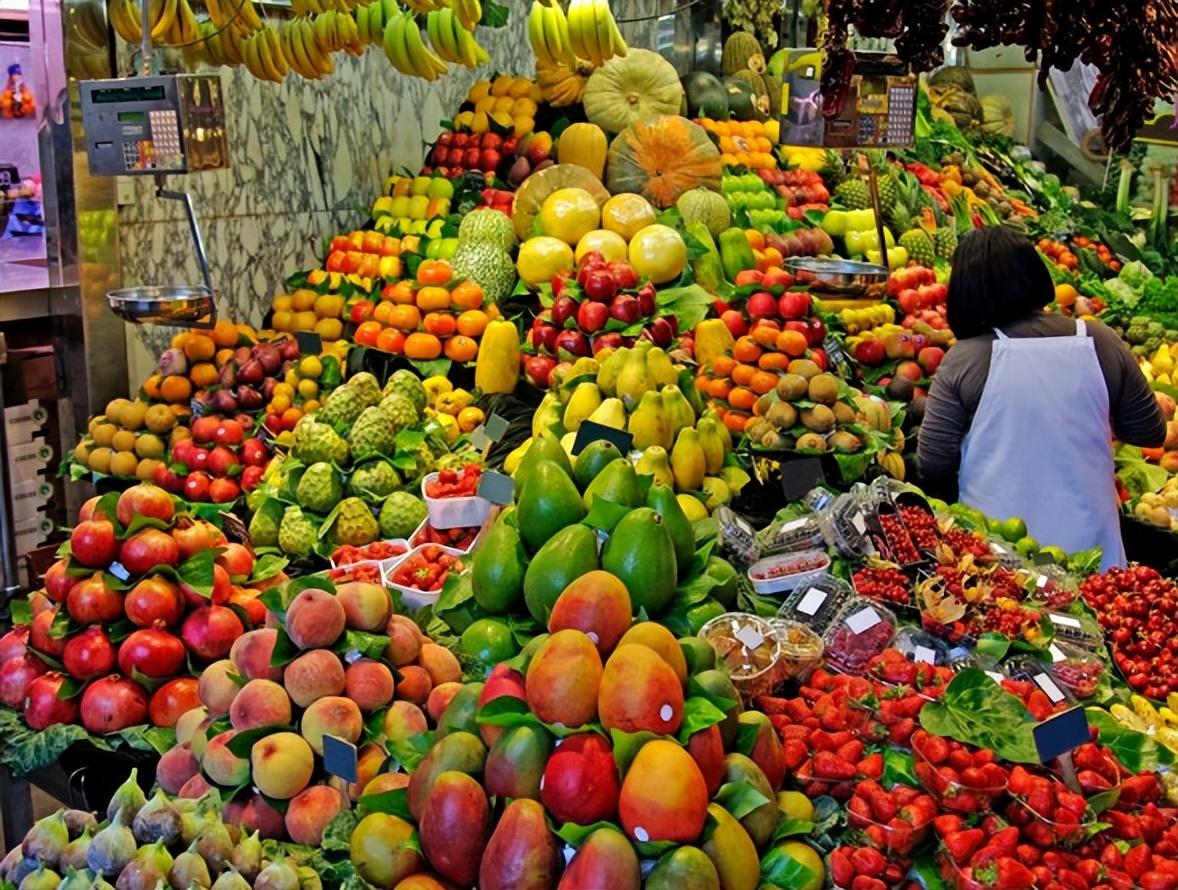
2. Operation Challenges: Four Core Barriers for Southeast Asian Fruit Commercialization
The failure of new sellers in fruit cross-border business is rarely due to insufficient market demand, but defects in four key links: supply chain, compliance, logistics and content operation:
1. Insufficient Compliance Awareness, High Customs Clearance Risks
Fresh fruits belong to specially supervised products. Southeast Asian customs have strict requirements on import quarantine certificates, market access qualifications and declaration standards. New sellers lack professional compliance experience, leading to goods inspection, detention and return due to incomplete qualifications, vague declaration and unqualified packaging, causing huge loss and even store penalty points.
2. Mismatched Logistics System, Uncontrollable Product Loss Rate
Fresh fruits are perishable, fragile and short in shelf life. Ordinary cross-border direct mail has slow timeliness, multiple transshipments and no temperature control, easily causing fruit rot, collision damage and deterioration during transportation. New sellers adopting ordinary commodity logistics modes without pre-processing, fresh-keeping packaging and local warehouse delivery face high arrival loss rate, frequent after-sales disputes and damaged store weight.
3. Non-Standard Products, Unable to Adapt to Cross-Border Sales Rules
Bulk local fruits have no unified specifications, grading standards, packaging or shelf life labels, failing to meet TikTok Shop product shelf rules. Direct sales of bulk fruits lead to vague product parameters, inconsistent after-sales standards and uneven quality, unable to achieve bulk listing and stable sales.
4. Extensive Content Operation, Unable to Highlight Product Scarcity Advantages
Most new sellers only shoot simple origin videos and random product displays, failing to highlight fruit scarcity, taste characteristics, local advantages and nutritional value. Homogeneous and unattractive content cannot stimulate user curiosity and purchase intention, wasting the niche’s natural traffic advantages.

3. Core Advantages of Standardized Fruit Cross-Border Operation
After standardized construction of compliance, logistics, supply chain and content, Southeast Asian fruit cross-border business has unique differentiated advantages far beyond ordinary niches:
1. Strong Product Scarcity, Natural Traffic and Topic Heat
Cross-border specialty fruits are different from local conventional fruits with high scarcity and internet-famous attributes, easily forming platform hot topics and natural social communication. Users have strong curiosity and interaction willingness, making content easy to go viral. Sellers can obtain free natural traffic without large investment, with much lower customer acquisition cost than conventional niches.
2. High Differentiation Barriers, Avoiding Low-Price Homogenization Competition
Fruit cross-border business has high thresholds in compliance, logistics and supply chain, with few capable sellers and loose market competition. Sellers completing system construction can monopolize niche traffic and profits, completely getting rid of red ocean low-price involution.
3. Stable Repurchase Demand, Sufficient Long-Term Profit Space
Specialty fruits have multiple consumption attributes including daily diet, festival gifting and social checking. Users have high repurchase rate after first tasting, generating stable long-term order income. Meanwhile, the niche has large premium space, with adjustable unit price and profit after standardized packaging, bringing prominent profit advantages.
4. High Local Consumption Adaptability, Sufficient Full-Market Demand
Southeast Asia has inclusive multi-ethnic consumption habits with high acceptance of cross-border specialty fruits. Both niche rare fruits and internet-famous fruits can quickly occupy the market, supporting multi-site synchronous operation and large-scale growth potential.

4. Standardized Commercial Operation Process for Southeast Asian Cross-Border Fruits
New sellers can convert local fruits into compliant, salable and scalable cross-border products through four standardized steps:
1. Complete Compliance Qualifications to Break Customs Clearance Barriers
Apply for official quarantine certificates and import & export access qualifications for fruit products in advance, and conduct standardized declaration in line with Southeast Asian customs rules. Unify product declaration name, specifications and usage to avoid vague declaration and underreporting, preventing goods detention, inspection and fines. Cooperate with compliant service providers to complete platform fresh product filing and meet TikTok Shop shelf standards.
2. Supply Chain Standardization Transformation for Cross-Border Sales
Implement fruit grading, specification standardization and fine pre-processing, eliminating defective, deteriorated and undersized fruits with unified product weight, appearance and grade. Customize special fresh-keeping and shockproof packaging, mark product specifications, shelf life, storage methods and origin information, converting bulk fruits into standardized cross-border commodities suitable for platform sales and user receiving standards.
3. Local Warehouse Distribution Layout to Control Transportation Loss
Abandon ordinary direct mail modes and adopt the combined fulfillment system of border warehouse + local warehouse. Complete fruit pre-processing and fresh-keeping packaging in advance, and rely on Southeast Asian local logistics networks for short-time terminal delivery. Strictly control warehouse temperature and transportation timeliness to shorten fresh product turnover cycle, control loss rate within a reasonable range, reduce after-sales disputes and improve user experience.
4. Differentiated Content Marketing to Amplify Traffic Advantages
Build exclusive fruit content systems covering five core scenarios: origin tracing, taste evaluation, niche popular science, unboxing review and eating tutorials. Highlight cross-border fruits’ uniqueness, freshness, nutritional value and local scarcity advantages with localized oral scripts to stimulate user curiosity and purchase desire. Cooperate with local Southeast Asian food vertical creators to produce batch promotion content and amplify niche traffic advantages rapidly.
5. Operation Summary
Southeast Asian fruit cross-border business is not simple local product export, but a standardized commercial system integrating compliance, supply chain, logistics and content operation. Amid severe homogenization competition in conventional cross-border niches, fresh fruits have become a golden track for Southeast Asian TikTok sellers to achieve differentiated breakthroughs with scarcity, high traffic, high premium and low competition. New sellers who complete the four core links of compliant customs clearance, standardized products, local warehouse distribution and scenario-based content can convert local fruit resources into stable bestsellers, avoid red ocean involution and realize low-cost, high-profit and long-term store growth.
6. Beginner FAQ
Q: How can new sellers quickly start high-difficulty fresh fruit compliant operation?
A: New sellers do not need to handle complex qualifications independently. Prioritize cooperation with mature compliant fresh supply chain service providers to solve quarantine, declaration, customs clearance and warehousing in one stop, reducing entry barriers and trial-and-error risks for rapid commercial launch.
Q: How to control cross-border fruit loss rate and avoid after-sales losses?
A: The core lies in standardized pre-processing, professional fresh-keeping packaging and short-time local warehouse distribution to compress transportation turnover time. Meanwhile, formulate reasonable after-sales compensation rules in advance to prevent batch losses.
Q: What kind of fruits are most suitable for TikTok cross-border bestsellers in Southeast Asia?
A: Prioritize fruits with strong durability, high appearance value, strong scarcity and high topic popularity. Niche specialty fruits have better traffic, higher premium and lower competition than conventional fruits, most suitable for new seller growth.
Q: Can fruit niches achieve long-term large-scale operation?
A: Absolutely yes. After completing compliance and supply chain standardization, sellers can realize batch listing, stable daily sales and multi-site synchronous operation. Relying on niche scarcity advantages, stores can achieve long-term compound growth.