When a mid-size CPG brand signed with a TikTok Shop affiliate agency last spring, they expected the rollout to resemble their existing creator program: content briefs, approval rounds, a predictable media line item. Six weeks later, they were confused about why the agency wasn’t producing brand videos, why commissions were eating into margins they hadn’t accounted for, and why performance reports looked nothing like their standard media metrics. The agency wasn’t failing. The brand was measuring the wrong thing.
This gap—between what brands assume they’re buying and what affiliate agencies actually deliver—shows up consistently in 2024. It’s not a vendor problem. It’s a framing problem. Understanding what these partnerships involve before you sign a contract is the single biggest factor in whether the investment produces revenue or just friction.
How Affiliate Agencies on TikTok Shop Actually Work
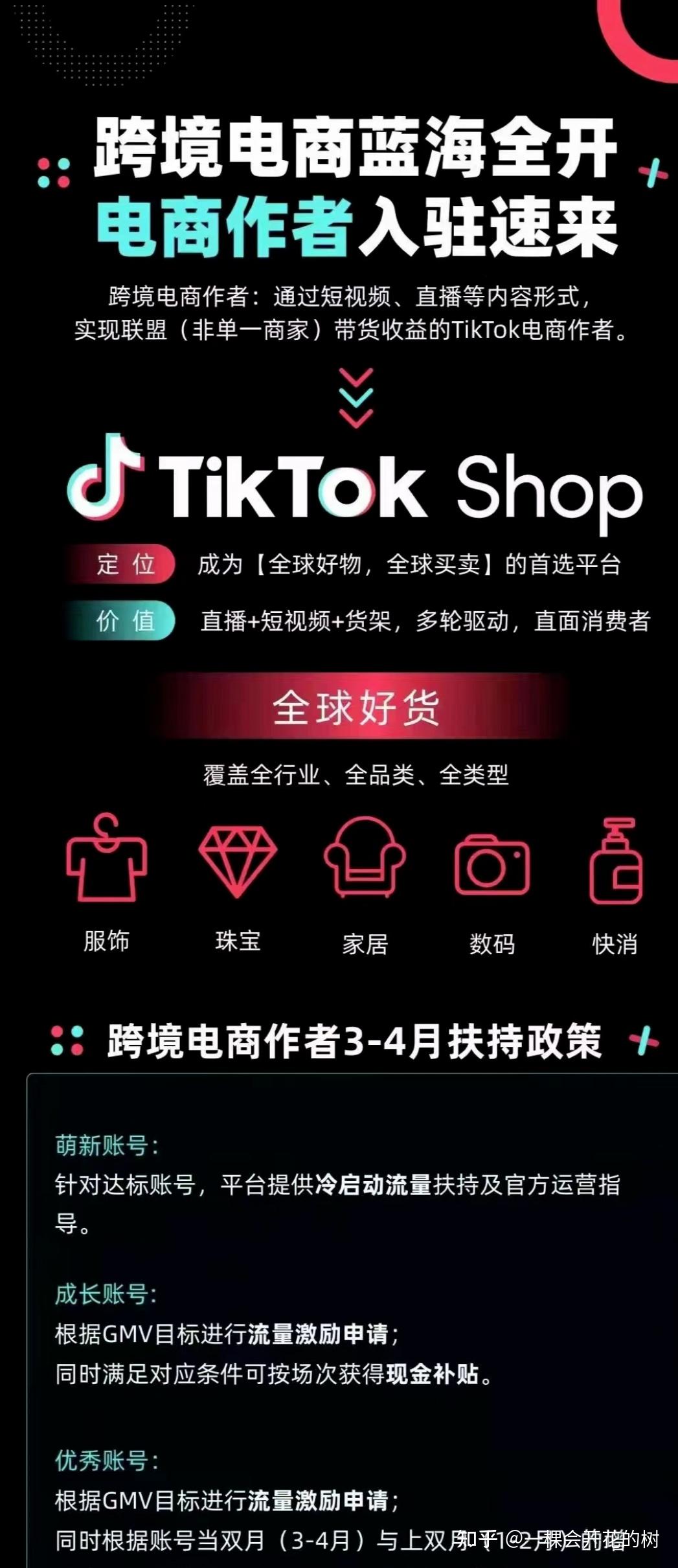
Creator marketing and performance affiliate marketing solve different problems, and conflating them creates immediate operational misalignment. Traditional creator partnerships operate on a fee-for-deliverable model: brands pay for content, retain creative approval, and measure success through impressions, engagement rate, and brand sentiment lift. Affiliate models reverse the payment structure. You pay for outcomes—attributed sales, conversions, revenue—and creators control how they present your product.
This distinction matters operationally because it changes the budget conversation entirely. With creator campaigns, you know your cost upfront. With affiliate partnerships, commission structures mean your cost per acquisition fluctuates based on performance volume and margin. For teams accustomed to predictable media spend, this variable cost model requires a different approval workflow and accounting process.
The Three Mistakes Brands Make Before Signing
The most common mistake is treating an affiliate agency like a content agency. These firms specialize in creator recruitment, network management, performance tracking, and conversion optimization—not branded storytelling or narrative campaigns. If your primary goal is awareness-first content with affiliate sales as a secondary metric, you need either an in-house creative function or a separate content partnership layered on top of your affiliate operation.
Brands also frequently underestimate the margin math. Commission rates on TikTok Shop typically fall between five and twenty percent depending on category and product price point. For brands running thin margins on lower-priced SKUs, affiliate costs can consume profitability before accounting for other marketing spend. This isn’t an argument against affiliate entirely—it requires honest internal alignment on whether your unit economics can sustain the model at your current price positioning.
A third friction point involves timeline expectations. Affiliate performance doesn’t appear overnight. Agencies need time to recruit relevant creators, build content libraries, and allow the algorithm to optimize delivery. Brands expecting meaningful revenue within the first thirty days typically exit before the partnership reaches its actual potential.
What a TikTok Shop Affiliate Agency Actually Delivers
Most brand failures with TikTok Shop affiliate partnerships don’t stem from choosing the wrong agency—they stem from misunderstanding what they hired. Brands often conflate “affiliate agency” with “full-service TikTok marketing partner,” then grow frustrated when the scope doesn’t match expectations. Getting precise about deliverables prevents that misalignment from the start.
Core Services Versus Extended Capabilities
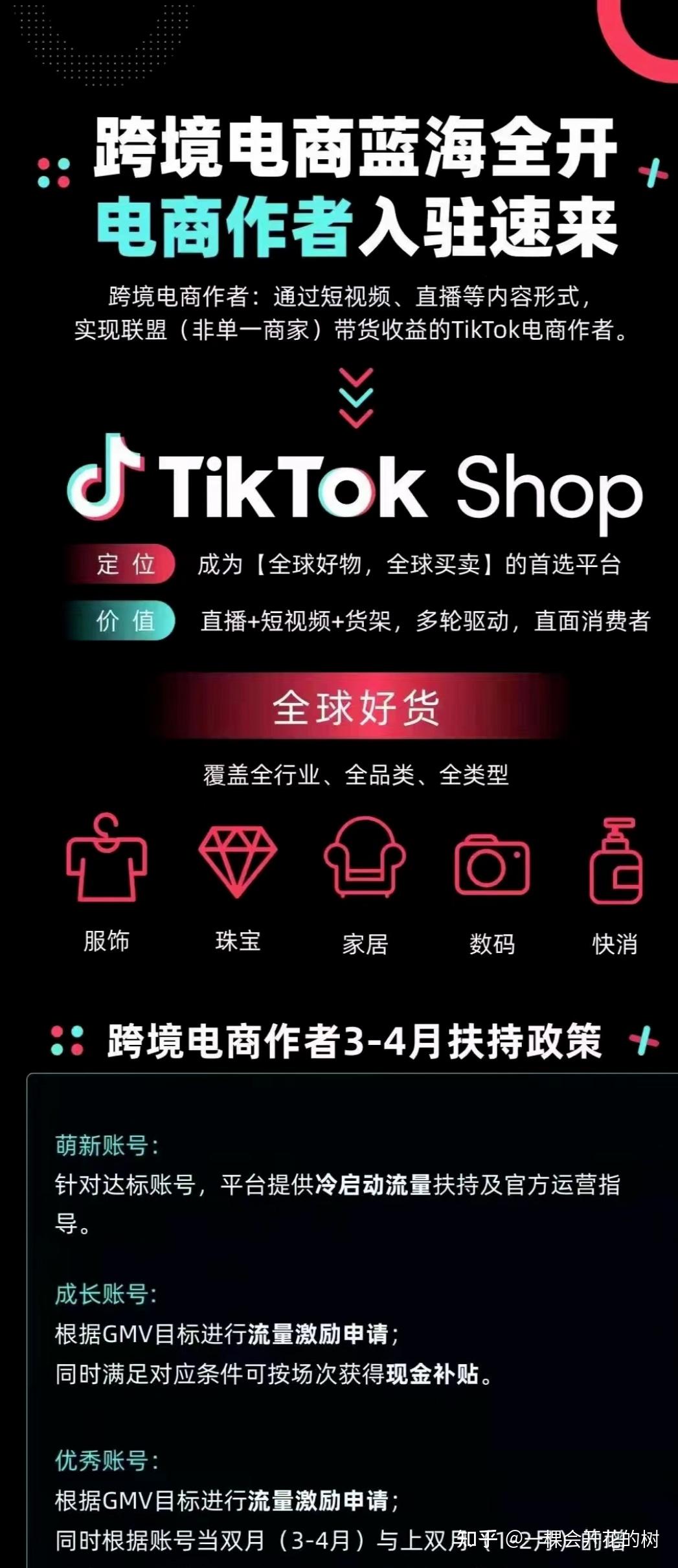
The baseline deliverables most reputable TikTok Shop affiliate agencies provide are relatively consistent across the industry. Expect creator recruitment and vetting for your affiliate program, affiliate link management and attribution tracking, campaign setup and optimization on the TikTok Shop platform, and performance reporting with commission reconciliation. These are table-stakes—if an agency can’t clearly articulate their process for each, that’s a vetting failure on your end, not an optional feature gap.
Extended capabilities are where agencies differentiate and where brands routinely misjudge scope. Advanced creator network access, content production support, cross-channel strategy, and custom analytics dashboards typically fall outside standard agreements and require explicit negotiation. The risk isn’t that agencies hide these capabilities—it’s that brands assume they’re included. A fifteen-minute scope conversation before signing prevents months of disappointment.
Agency Versus Platform Versus In-House
The fundamental difference between working with a TikTok Shop affiliate agency versus using a self-service creator platform is the operational layer. Platforms handle distribution; agencies handle strategy, execution, and optimization. For brands running affiliate programs at scale, that distinction translates directly to performance variance.
Agency partnerships also differ from building an in-house team in resource commitment and expertise depth. An in-house affiliate manager can handle execution but typically lacks the creator relationships, platform-specific algorithm knowledge, and benchmarking data that comes from managing multiple affiliate programs across TikTok Shop. The tradeoff is cost structure: agencies carry higher upfront overhead but remove the hiring risk and ramp-up time of building internal capability.
The practical question isn’t which option is universally better—it’s which model matches your current operational maturity and budget flexibility. Agencies make sense when you need results faster than you can build internal capacity; in-house makes sense when you have time to develop specialized knowledge and want tighter cost control at scale.
Assessing Whether Your Brand Is Ready
Entering a TikTok Shop affiliate partnership without honest self-assessment is one of the most common ways brands waste budget and damage channel credibility. Before evaluating agencies, you need to evaluate your own readiness. The question isn’t just whether you want to be on TikTok Shop—it’s whether your brand, product, and operations can support the speed, volume, and measurement expectations that affiliate models demand.
Indicators Your Brand Has the Foundation for Affiliate Success
A product that converts on video is the first and most important indicator. Affiliate creators earn through sales commissions, so they engage most readily with products that have a reasonable chance of converting within a short consideration window. If your product requires extensive education, high-ticket deliberation, or multiple touchpoints before purchase, the affiliate model may underperform expectations despite strong audience interest.
Operational readiness matters equally. This means having proper attribution tracking in place, clear commission structures defined, responsive communication during peak campaign windows, and sufficient inventory to handle sudden demand spikes. Brands without these foundations often struggle to retain affiliate partners after the first campaign underperforms.
Audience alignment is the third pillar. A TikTok affiliate agency’s value is partially tied to matching your brand with creators whose audiences actually buy. If your target customer doesn’t overlap substantially with TikTok’s core demographics, the effort required to find suitable affiliates increases substantially, and cost-per-acquisition will reflect that difficulty.
Red Flags That Signal Poor Fit
Brands operating with margins too thin to sustain affiliate commissions without pricing themselves out of the market should proceed carefully. Some product categories cannot absorb the cost structure of performance-based models without compromising positioning entirely.
Organizations lacking dedicated TikTok Shop operational ownership consistently underperform. If no internal team member owns the channel’s performance and can make real-time decisions with the agency, misalignment and delayed responses will undermine the partnership before it gains momentum. This is a structural problem that agency expertise cannot compensate for.
Finally, brands without clear product differentiation often struggle to attract quality affiliates regardless of commission rates. Affiliate creators prefer promoting products they can present with genuine conviction. Commoditized products without a distinct story or positioning require substantially higher incentives to secure creator attention, which shifts the economics unfavorably.
How to Approach and Launch the Partnership
The gap between selecting an agency and generating revenue through TikTok Shop is where most partnerships stall. Brands often treat the signing ceremony as the finish line rather than the starting point. What happens next—how you structure the relationship, set expectations, and course-correct—determines whether your affiliate investment produces results or drains budget with nothing to show.
Steps to Identify, Vet, and Engage the Right Agency
Discovery begins with clarity about your own operation before evaluating anyone else. Define your product margins, average order value, and the maximum commission percentage you can offer creators without eroding profitability. Without these numbers, you cannot evaluate whether an agency’s proposed creator network or commission structure makes business sense.
When vetting agencies, ask for case studies that include specific channel categories, not just follower counts. An agency strong in beauty may not translate to B2B products or niche verticals. Request creator-level attribution data during the pilot phase—if an agency resists sharing this, move on. Commission structures vary: agencies typically take a percentage of the affiliate commission as their fee, but some charge flat monthly retainers or setup costs. Get a clear breakdown before signing.
Engagement should start with a pilot with defined performance thresholds. Avoid long-term contracts before proving the model works on your specific product and audience.
Managing the Partnership Day-to-Day
Structure your working relationship around three tiers: weekly tactical reviews during the pilot, monthly strategic check-ins during scale-up, and quarterly business reviews to assess overall ROI. Without this cadence, performance issues surface too late to recover a quarter.
Agree on specific metrics upfront. Affiliate conversion rate per creator, cost per acquisition through affiliate links, and revenue attributed to the agency-managed creator network should appear in every report. If an agency only provides aggregate impressions, you lack the data needed to optimize.
Establish adjustment triggers early. If affiliate-driven revenue does not exceed agency fees within a defined period, you need a strategy revision or reevaluation. Similarly, if creator quality declines—indicated by rising refund rates or audience mismatch signals—you should have contractual clarity on replacement or remediation processes.
Warning signs worth naming: agencies that demand exclusivity without proven results, those unwilling to share creator-level data, or those pressuring annual commitments before demonstrating category fit should be treated as signals to reconsider, not negotiating points.
Frequently Asked Questions
What does a TikTok Shop affiliate agency do for brands?
A TikTok Shop affiliate agency recruits creators to promote your products through affiliate links, manages the attribution and commission tracking, optimizes campaign performance, and provides reporting on attributed sales. They do not typically handle branded content production or broader TikTok marketing strategy.
Who is a TikTok Shop affiliate agency best suited for?
Brands with products that convert well in short-form video, healthy margins that can sustain commission rates, and operational capacity to manage real-time communication with both the agency and affiliate creators. It’s less suited for brands with thin margins, highly complex products requiring extensive education, or audiences that don’t overlap with TikTok’s demographics.
How should a team approach working with a TikTok Shop affiliate agency?
Start with internal clarity on your unit economics, define a pilot scope with performance thresholds, require creator-level data transparency, and establish clear communication cadences before signing. Treat the contract signing as the beginning of the relationship, not the conclusion.