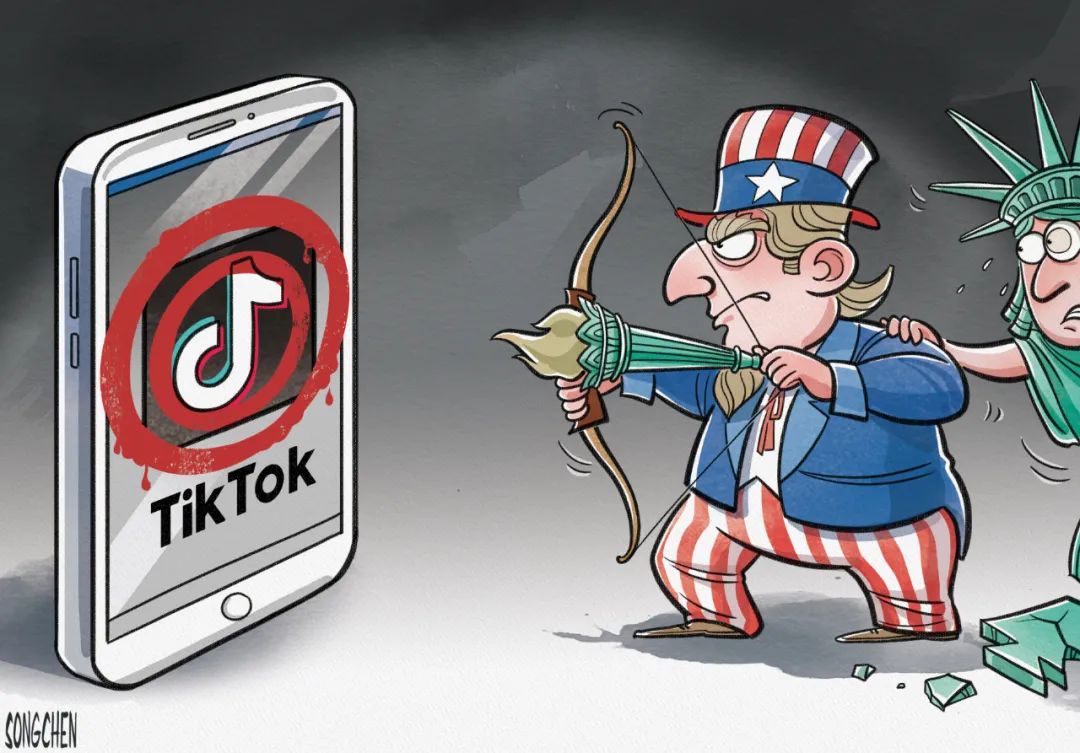
If you have spent any time researching top TikTok Shop affiliate bot solutions and come away feeling more confused than when you started, you are not alone. The tools that powered your Amazon Associates program or your Shopify affiliate campaigns do not translate to TikTok Shop, and the gap is not a learning curve problem—it is a fundamental mismatch between how these platforms read behavior.
Teams that treat TikTok Shop as just another affiliate channel tend to go through a predictable cycle: they deploy their standard automation playbook, see initial signals that look promising, push to scale, and then watch their accounts get flagged or suspended before they understand what happened. The problem is rarely the bot itself. It is that TikTok’s ecosystem operates under different rules, and those rules are enforced differently than most affiliates expect.
The Algorithm Reality That Breaks Affiliate Playbooks
TikTok’s recommendation system does not reward steady cadence or predictable posting intervals. It rewards content that generates genuine engagement velocity—watch time, shares, comment threads, and return visits. When a top TikTok Shop affiliate bot pushes product links through comment automation or scheduled posts designed for search-driven platforms, the algorithm reads those patterns as inorganic activity, regardless of how technically sound the implementation appears.
The content-to-conversion window also compresses differently than affiliate marketers are used to. On Amazon, a customer might click your link today and purchase three days later. On TikTok Shop, especially for products discovered through live shopping or short-form video, the purchase window is dramatically shorter. A bot that treats every click as a separate conversion event will misattribute performance and optimize for signals that do not actually drive revenue.
Authenticity signals go deeper than obvious indicators. TikTok evaluates whether an account behaves like a real creator building an audience or like a distribution mechanism. Accounts that automate engagement without corresponding organic activity plateau in reach, even when the technical execution of their affiliate links is flawless.
The Red Flags That End Accounts Before They Start
Before evaluating any top TikTok Shop affiliate bot options, you need to understand the specific boundaries that separate viable automation from account termination triggers.
Platform violation triggers are concrete and include mass-following, bulk commenting with identical copy, and any tool that accesses TikTok through unofficial endpoints. These practices violate TikTok Shop’s partner policies and frequently result in permanent account suspension. If a tool promises to grow your affiliate reach through automated follows or generated comments, it is operating outside legitimate API access and represents a detection liability, not an efficiency gain.
Velocity limits are real but not publicly documented. Teams that deploy automation and see early success often push harder when results appear—and that is precisely when accounts get flagged. The pattern of rapid scaling followed by a sudden drop in reach is a classic detection signature thatTikTok’s systems have gotten better at identifying over time.
Detection has also become more sophisticated. TikTok now cross-references device fingerprints, IP clusters, and behavioral timing. A bot running from a single IP across multiple accounts will not survive long, regardless of how carefully the content is scheduled.
What a TikTok Shop Affiliate Bot Actually Automates
The phrase “top TikTok Shop affiliate bot” describes a range of solutions that do fundamentally different things. Understanding what each category actually automates—and where human judgment remains irreplaceable—prevents the most common procurement mistake: paying for capabilities a tool does not have, or trusting a tool with tasks it should not handle.
Four Capability Clusters That Actually Exist
Content scheduling and posting tools handle video upload timing and metadata management across accounts. This is the most mature category with the most reliable API support, and it focuses on reducing the manual labor of logging into multiple accounts to post at specific times.
Comment and engagement automation handles response templates and basic community interaction. This category has the thinnest legitimate use case, because the moment it moves from templated responses to generated comments, it crosses into detection territory.
Link and commission tracking systems monitor affiliate URL performance and attribution accuracy. These tools pull data into unified views that TikTok Shop’s native interface does not support, enabling operators to build custom dashboards for performance analysis.
Analytics aggregation pulls data from TikTok Shop seller dashboards into consolidated reporting views. This is valuable for operators managing multiple affiliate relationships or tracking performance across product categories.
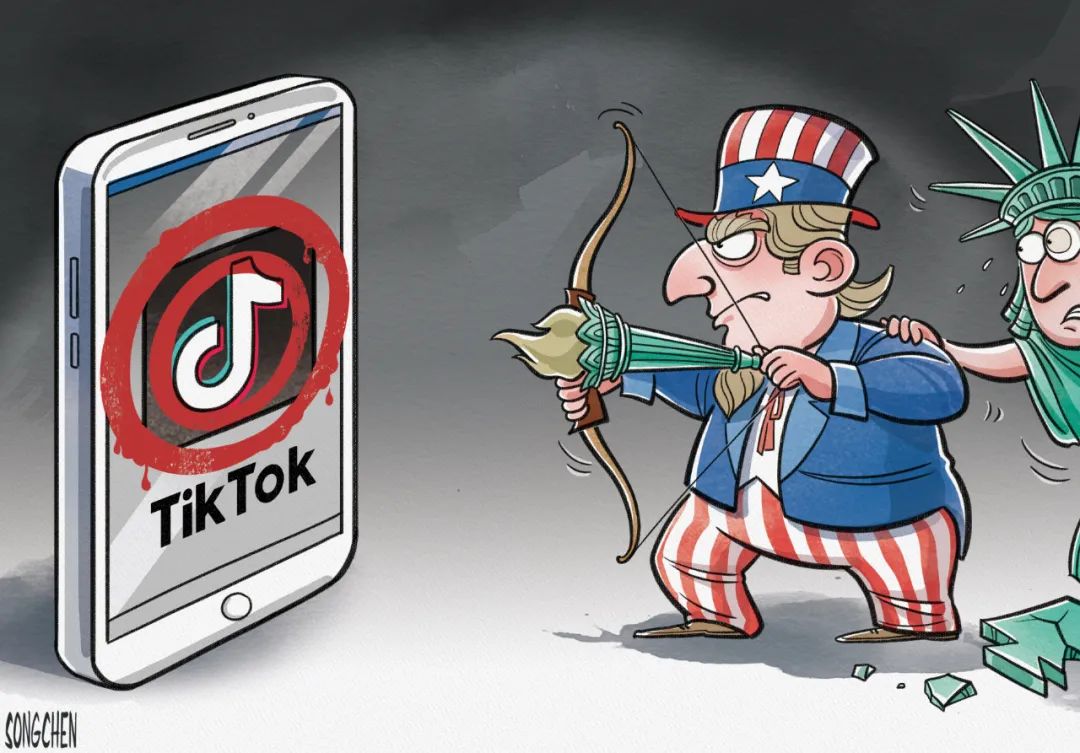
The critical distinction across all four categories: none of them perform audience growth, follower generation, or organic reach manipulation without crossing into platform violation territory.
Use Cases That Survive Platform Scrutiny
Viable bot applications focus on operational efficiency rather than growth shortcuts. Multi-account operators use scheduling tools to maintain consistent posting cadences across ten or more creator accounts without manual login. Performance monitoring tools pull commission data into spreadsheets for custom dashboards. Content pipeline tools coordinate product drops with video uploads and affiliate link placement across a team.
These applications survive scrutiny because they reduce manual labor on legitimate workflows rather than attempting to manufacture engagement signals the platform would detect. The moment a tool promises to automate outreach, generate comments, or manipulate follower counts, you have moved from operational efficiency into detection territory.
The Five-Point Framework for Evaluating Any Option
Choosing a bot without a structured evaluation approach is how experienced operators end up with expensive problems. The difference between a tool that genuinely scales your workflow and one that puts your TikTok Shop account at risk comes down to five evaluation dimensions that most comparison articles skip.
API Compliance Score
Any bot claiming to work with TikTok Shop should answer a basic question: does it use official API endpoints, or does it simulate user behavior through browser automation? Tools relying on automated browser interactions trigger TikTok’s detection systems at significantly higher rates than properly integrated solutions. Ask vendors directly about their technical approach and watch how they respond to pushback. Hesitation or deflection indicates unofficial methods.
Account Safety Track Record
Request concrete evidence of account preservation across their user base. Vague promises about being “account safe” mean nothing without verifiable data. Legitimate vendors maintain some form of documented safety record. If a company cannot provide any operational history, treat that as your answer.
Integration Depth
Surface-level solutions connect to your storefront but miss the operational data that actually matters. True integration means the bot accesses real-time performance metrics, inventory signals, and commission tracking that allow you to make decisions rather than just execute tasks.
Support Response Reality
During your trial period, test their support with an actual technical problem at an inconvenient time. The quality of response under pressure tells you more than any feature list. Teams that need bot solutions typically operate across time zones and cannot afford to wait for business-hours support.
Pricing Transparency
Understand exactly what you pay for and what happens when your usage scales. Many tools advertise attractive entry prices but charge significant premiums for the features that make bot operation viable at scale.
Questions to Ask Before Committing
Add these to your vendor evaluation before signing any agreement. Ask them to walk through exactly how their system handles TikTok’s rate limits during high-traffic periods. Every experienced operator has learned that a bot working fine on Tuesday fails catastrophically during a flash sale. Request a test environment where you can observe behavior during simulated account stress before connecting your actual affiliate accounts. Confirm the data handling policies and what happens to your operational history if you discontinue the service.
Teams that use bot tools successfully are not those who find the most powerful solution. They are the ones who choose the tool with the clearest accountability structure when things go wrong—because on TikTok Shop, they will.
Executing Without Destroying Your Account
The transition from evaluating bots to deploying them is where most teams quietly sabotage themselves. You have done the research, selected a platform with solid API compliance, and convinced stakeholders that automation is worth the investment. The instinct is to go live fast and scale up before anyone changes their mind. That instinct will get your account suspended or banned, often within the first seventy-two hours of deployment.
A Phased Rollout That Respects Platform Limits
Platform limits on TikTok Shop are not suggestions—they are enforcement triggers. The difference between a bot that operates sustainably and one that triggers a ban comes down to timing and volume, not features or pricing. A phased rollout is not a conservative choice; it is the only approach that preserves your account long enough to deliver value.
Begin with a single account running at fifteen to twenty percent of your intended operational volume. Monitor this pilot phase for a minimum of seven to ten days before making any volume adjustments. Watch for three specific signals: unusual engagement drops, comment delays exceeding thirty seconds, and any direct platform notification, even if it appears minor. These are early warning indicators that your bot activity is approaching detection thresholds.
Scale in increments of no more than twenty percent of current volume, with a seventy-two-hour observation window after each increase. Define rollback triggers before you launch: if your click-through rate drops by more than forty percent from baseline, or if TikTok flags any account for review, pull back immediately and investigate. Teams that skip this discipline because everything “seems fine” in the first two days are building on a foundation that will crack.
Where Teams Actually Fail
Velocity overreach is the most common failure pattern. Bot providers market their tools with volume capacity as a primary selling point, which creates pressure to prove the investment justified by pushing higher numbers. This is backwards. Your account has a natural activity ceiling that TikTok’s systems will not disclose. The ceiling shifts based on your account age, historical engagement patterns, and current platform enforcement intensity. Discovering that ceiling at full operational volume rather than during a controlled pilot means discovering it through a ban.
Credential sharing across team members without proper access controls creates another layer of risk. When multiple people operate the same bot under a single login, platform systems detect behavioral inconsistencies that flag accounts as automated. Each operator has slightly different timing, different session durations, and different action sequences. These small variations look human individually but create a composite fingerprint that looks like bot activity.
Integration gaps cause problems that only appear under load. A bot that manages your affiliate links may work perfectly in testing but conflict with TikTok Shop’s session management during live traffic spikes. The failure mode is not always obvious—sometimes it is simply a lag that pushes your response times past the threshold where TikTok’s algorithm stops surfacing your content. Test under realistic traffic conditions before committing to full deployment.
FAQ: TikTok Shop Affiliate Bots
What is a TikTok Shop affiliate bot?
A TikTok Shop affiliate bot is an automation tool designed to handle repetitive operational tasks for affiliate marketers working on TikTok Shop, including content scheduling, performance monitoring, and commission tracking. The term covers a range of solutions from basic scheduling tools to comprehensive affiliate management platforms.
Who is this approach best suited for?
Multi-account operators managing content across several creator profiles, affiliate teams tracking performance across multiple product lines, and operators who need unified reporting dashboards that TikTok Shop’s native interface does not provide. Solo affiliates with a single account and straightforward needs may not see enough value to justify the cost and complexity.
How should a team approach bot adoption?
Evaluate vendors using the five-point framework, test support response during your trial, and commit to a phased rollout that starts well below your intended operational volume. Define rollback triggers before you launch. The teams that use bot tools successfully invest as much in the operational discipline around deployment as they do in the tool selection itself.
Note: Specific pricing data, vendor safety records, and case study details would require direct verification from current market sources and are not included here to avoid outdated or inaccurate information.