You sent the message. You watched the timestamp say “Delivered.” Then: nothing. No reply, no polite decline, no “thanks but no thanks.” Just silence.
If this has happened to you more than once, the instinct is to blame the creator. Maybe they’re too busy, too big, too selective. But here’s what most brands discover only after dozens of failed attempts: the problem usually isn’t the creator. It’s the approach.
TikTok Shop messaging isn’t like sliding into someone’s DMs on the main app. It’s a transactional space with its own logic, its own expectations, and its own tolerance for low-effort outreach. Treat it like regular cold email, and you’ll get the same response rate as regular cold email—which on a platform like this, means almost none.
Why Your Messages Disappear Before Anyone Reads Them
The first thing to understand is that TikTok Shop and standard TikTok messaging are two different systems, even if they share a logo.
When you message someone through their regular TikTok profile, you’re entering a personal inbox. Creators expect a mix of fan comments, friend messages, and occasional business inquiries. There’s room for pleasantries. A friendly opener can work.
TikTok Shop messages live inside a different mental context. When a creator opens their Shop inbox, they’re usually there to handle orders, shipping questions, or product inquiries from actual customers. They’re not there to network. They’re not there to hear your pitch. Your message is an interruption—and it will be evaluated as such.
This matters because creators have learned to sort incoming messages fast. A message that doesn’t immediately signal “this is worth my time” gets archived, muted, or just left to rot. The decision to reply or ignore happens in the first sentence or two. If your opening line doesn’t communicate clear value and a specific ask, you’re already gone.
What Creators Actually Look For
Creators on TikTok Shop receive a volume of outreach that would surprise most brand managers. Even creators with modest followings field multiple collaboration requests every week. These range from legitimate product opportunities to obvious mass-DM spam to offers that would require them to work for exposure.
The creators who respond share one consistent trait: the message proved someone did their homework. Specificity signals legitimacy. “I loved your video about minimalist skincare routines” reads differently than “I love your content.” The first version tells the creator you actually watched something they made. The second version could apply to any creator on the platform.
Beyond specificity, there’s a time-cost calculation happening on the other end. A creator who monetizes their presence has learned to protect their attention. They’ll respond to messages where the value exchange is immediately clear and the ask is scoped enough to answer without a lengthy back-and-forth. If your message requires them to ask follow-up questions just to understand what you want, most won’t bother.
When to Message—and When to Just Watch
Before you type anything, ask yourself whether messaging is actually the right move for your situation. Most brands skip this step and pay for it with wasted time and radio silence.
Messaging makes sense when you have a defined ask that genuinely requires dialogue. Collaboration inquiries—sponsored content, affiliate partnerships, brand deals—belong here. So do wholesale or bulk order requests, especially when the creator’s shop doesn’t list minimum quantities or you need custom pricing. Custom content requests also justify a message: if you want your product featured in a video, you need to negotiate terms before anything happens.
The common thread is specificity. You know exactly what you want, you can articulate clear mutual benefit, and the conversation requires actual back-and-forth. If your opening line starts with “I wanted to reach out about potentially working together somehow,” stop. That vagueness signals you haven’t done the basic work of understanding what this creator actually does.
Situations Where You Should Hold Off
Sometimes the smartest move is to stay in the audience seat.
If you’re still evaluating whether a creator’s audience aligns with your brand, watch their content for a while first. Comment thoughtfully on posts—not with promotional links, just genuine engagement. This builds familiarity and lets you gauge whether the creator responds to comments at all, which predicts how likely they are to respond to a direct message.
Account activity tells you something too. A creator who hasn’t posted in three months probably isn’t checking their Shop messages regularly. A creator who posts daily but has comments disabled might be managing their mental bandwidth carefully, which suggests their DM inbox is also tightly controlled. Reaching out to either profile without context signals that you’re spraying messages rather than thinking strategically about fit.
The honest test: if you can’t explain in one sentence why this specific creator deserves this specific message, keep browsing. The best outreach happens when you’ve earned the right to ask through genuine familiarity with someone’s work.
How to Actually Send a Message That Gets Opened
Assuming you’ve determined messaging is the right move, the next question is how you get there—and what you say once you’ve arrived.
Finding the Right Entry Point
The path you take to reach the message function matters more than most guides suggest. On TikTok Shop, you can access a creator’s message function through at least two distinct routes, and each carries slightly different weight.
The stronger path is through their Shop profile directly. Navigate to their TikTok Shop page and look for the message button near the “Contact” or “Follow” area. This signals you came specifically to their commercial space—you’re not just a casual fan who tapped through from a viral video. Creators notice this distinction.
The second path is through a video. If you’re watching one of their TikToks and tap through to their profile, the message flow routes differently. Depending on the creator’s settings, this sometimes sends your message to their general TikTok DM system rather than their Shop-specific inquiry queue. For business collaboration requests, this matters: the Shop inquiry queue tends to get checked more regularly by creators actively selling products, while general DMs may land in a personal inbox the creator rarely monitors for work purposes.
What to Say in the Opening Message
Here’s where most outreach falls apart. Brands send messages that sound like they could apply to any creator on the platform—”Hi, loved your content, let’s collaborate!”—and then act surprised when they get ignored. Creators receive dozens of these every week.
The messages that break through share a consistent trait: they prove you’ve done specific homework about this particular creator.
Your opening needs to accomplish three things quickly. First, identify yourself clearly so the creator knows they’re not dealing with a bot. Second, reference something specific about their content or shop that shows genuine familiarity. Third, make your ask concrete and bounded—don’t make them guess what you want or how much time this might take.
Mutual benefit framing isn’t optional—it’s the only framing that works on this platform. If you approach a creator as someone who wants something from them with no clear upside, your message gets archived within seconds. Lead with what you bring to the table. What can you offer that would genuinely interest them? If you can’t answer that question, you’re not ready to send the message.
Patterns That Separate Replies From Silence
After enough outreach attempts, certain patterns become clear about which messages get responses.
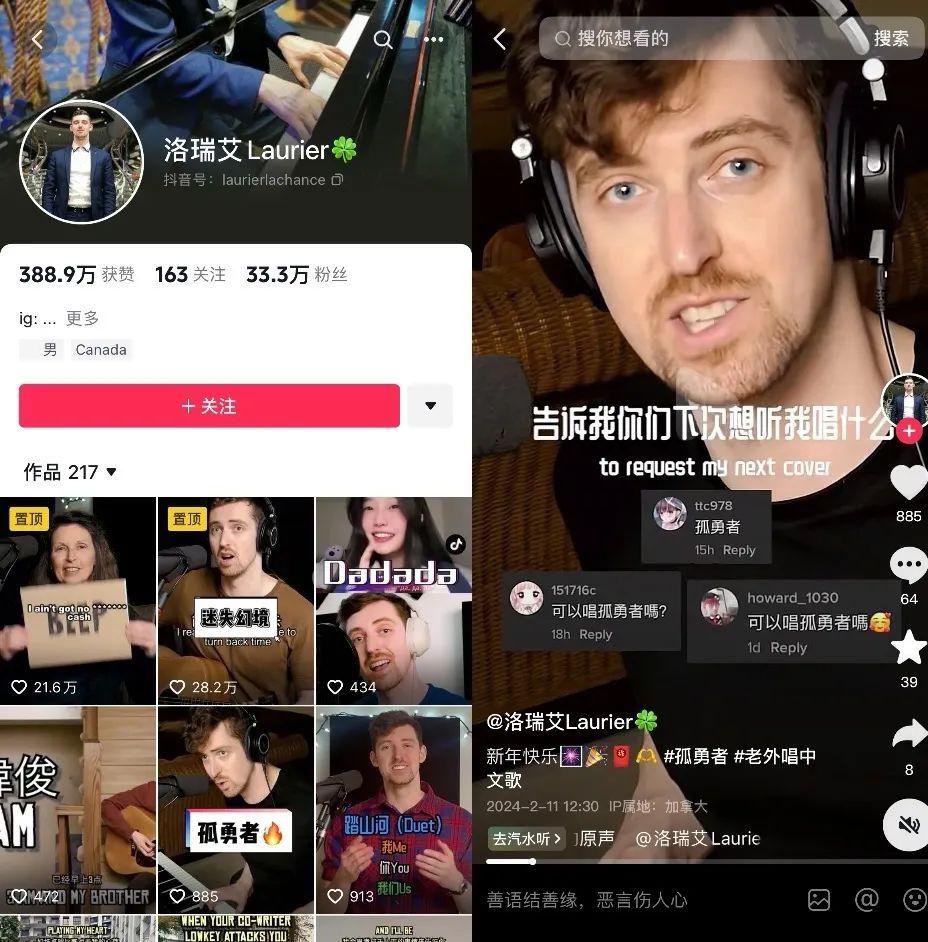
Messages that earn replies tend to be brief, specific, and structured around a clear transaction. They identify the sender immediately, reference something the creator actually made or sells, articulate a concrete request, and explain why this creator specifically makes sense. The ask is scoped enough that the creator could respond with a simple yes or no, or a single follow-up question.
Messages that disappear tend to be vague, templated, and focused entirely on what the brand wants. They open with compliments that could apply to anyone, make requests that require multiple follow-up emails to clarify, and give the creator no reason to believe this message deserves their time.
Who Responds to Cold Outreach
Not all creators are equally likely to reply to a cold message, and setting realistic expectations helps you focus your energy where it matters.
Micro-creators—those with smaller but engaged followings—often have lower message volume and more bandwidth to evaluate individual inquiries. They’re also often more motivated to explore collaboration opportunities since they have less established deal flow than top-tier creators.
Niche alignment matters more than follower count. A creator whose audience clearly matches your product category is more likely to engage than a creator with larger numbers but a mismatched audience. Look for content themes, product categories, and audience demographics that genuinely align with what you’re offering.
Creators who actively sell products through TikTok Shop are generally more responsive to Shop-based messages than creators who only use the platform for content. They’re already thinking about commerce, which puts them in a business mindset when they check their Shop inbox.
Warning Signs Worth Heeding
Not every response is a good response. A few patterns should make you pause before proceeding.
If a creator immediately asks for payment upfront before discussing any terms, that’s unusual for legitimate collaboration inquiries and worth questioning. Legitimate deals typically involve some dialogue before money changes hands.
Pressure to respond quickly or accept terms “right now” is another flag. Good business relationships don’t start with urgency tactics. A creator who won’t give you time to consider their terms is showing you who they are.
Requests that seem to benefit only one side—usually yours—without clear value for the creator also deserve skepticism. The best collaborations have obvious upside for both parties. If you can’t articulate what’s in it for them, reconsider whether this outreach makes sense.
Frequently Asked Questions
What’s the difference between TikTok Shop messaging and regular TikTok DMs?
TikTok Shop messages sit inside a transactional environment focused on commerce. Regular DMs are personal channels. Creators treat these inboxes differently—Shop messages get evaluated more quickly for business relevance, while DMs allow more conversational flexibility.
How do I find the message button on a creator’s TikTok Shop profile?
Navigate to their TikTok Shop page directly. Look for a message or contact button near the profile header or shop information area. Avoid routing through a video tap if possible, as this sometimes routes your message to their general inbox instead of their Shop inquiry queue.
What should I include in my first message to a TikTok Shop creator?
Identify yourself clearly, reference something specific about their content or products, make a concrete and bounded ask, and frame everything around mutual benefit. Keep it brief—you’re not writing a proposal, you’re starting a conversation.
Should I message creators who haven’t posted recently?
Probably not for collaboration inquiries. Creators who aren’t actively posting are often not actively managing their Shop inboxes. Focus your outreach on creators with consistent posting schedules and engaged audiences.
Why do creators ignore my messages even when they seem like a good fit?
Most likely, your message didn’t communicate clear value quickly enough. Creators screen messages in seconds. If the first sentence doesn’t signal relevance and a specific opportunity, your message gets archived.