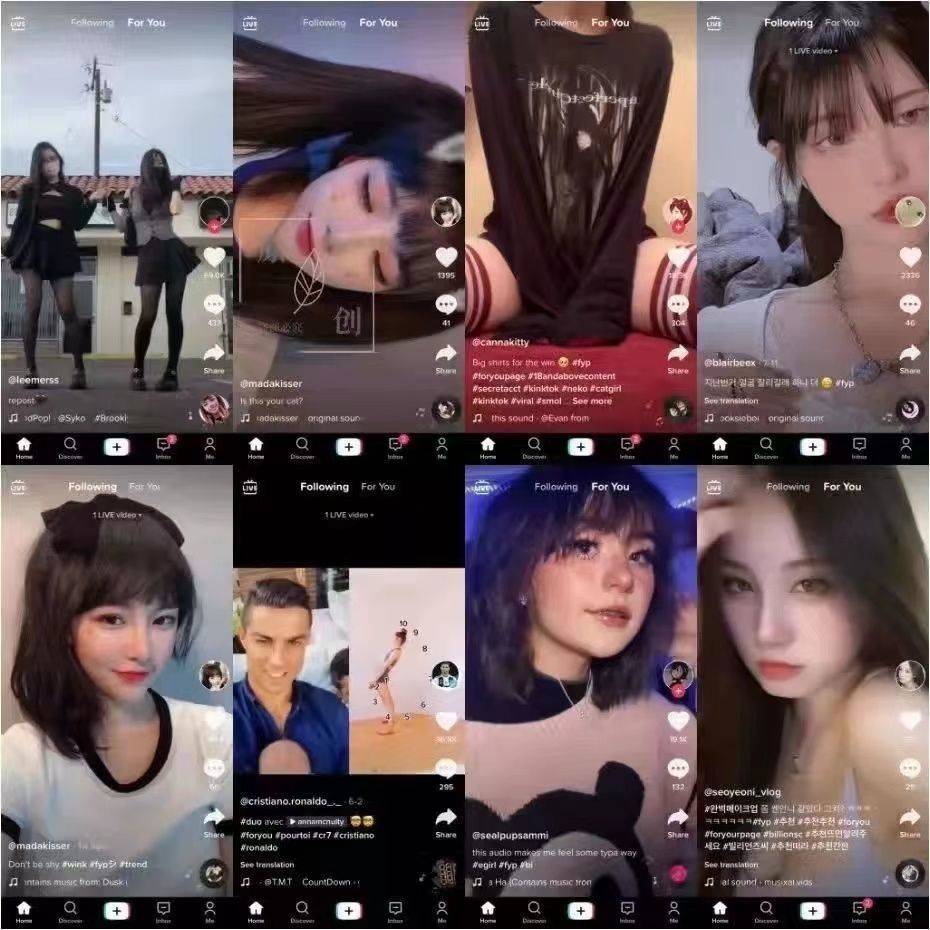
Most teams searching for TikTok UGC creators already know the basics. They can find creators, send DMs, and even negotiate rates. The problem isn’t the first touch—it’s what happens after. Replies disappear, sample shipments go dark, published content never gets tracked, and nobody can explain why the campaign worked or failed. That’s the real question behind how to search for TikTok UGC creators: not finding names, but building a system that holds together from first contact through performance review.
Start by Identifying Where Your Current Process Breaks
Before adopting any new tool or template, honest teams need to diagnose their actual workflow. Some have plenty of creator contacts but can’t qualify them properly. Others can send messages in volume but have no idea what happened to the replies. A few run into the opposite problem: they’re tracking everything in spreadsheets but the volume is too low to learn anything useful.
Treating all of these as the same outreach problem produces the same weak result. If your bottleneck is qualification, more messages just create more noise. If your bottleneck is tracking, more volume just creates more chaos. The search for TikTok UGC creators only becomes productive when you know which part of the machine needs fixing first.
Prerequisites That Actually Matter
Here’s where most workflows stall before they even begin: the offer isn’t ready. Searching for creators while your product margin, commission structure, or sample policy is still vague means you’re reaching out with messages that can’t close. A creator who responds to a vague offer either asks for more information (which delays everything) or ghost you after the first reply.
A simple readiness check before scaling outreach should cover five areas. First, product margin: can you afford the commission or free product cost at the volume you’re planning? Second, creator fit: have you defined what niche, follower count, engagement rate, and content style actually match your brand? Third, content angle: do you know what kind of video you want them to create, or are you leaving it completely open? Fourth, logistics capacity: can you ship samples within 48 hours of a confirmed creator? Fifth, ownership: is there one person responsible for each follow-up step, or is it shared in a way that nobody really owns it?
If any of these are unclear, scaling outreach will multiply your problems instead of your results.
Building a Trackable Creator Workflow
The most reliable way to manage TikTok UGC creator outreach is to break it into visible stages that the whole team can see. A simple pipeline looks like this: shortlisted creators, initial contact sent, reply received, sample arranged, sample shipped, content pending, content published, and performance reviewed. Each stage needs a clear owner and a deadline.
This structure does two things that spreadsheets and memory can’t do. First, it surfaces the bottleneck immediately. If you have 50 creators shortlisted but only 3 replies, the problem is your message or your creator targeting—not your follow-up. If you have 20 replies but only 2 samples shipped, your logistics or sample approval process is the problem. Second, it creates accountability. When each stage has a name and a date, excuses become visible and fixable.
Most teams find that their real bottleneck isn’t where they expected. Spending two weeks perfecting outreach templates when the actual problem is sample fulfillment is a common and expensive mistake.
What to Measure Before You Scale
Volume metrics feel good but tell you very little. How many creators you contacted this week is an activity number, not a progress number. The metrics that actually matter are spread across the entire funnel.
Qualified reply rate tells you whether your targeting and initial message are working. A 5% reply rate from creators who match your criteria is far better than a 20% reply rate from creators who will never publish anything about your product. Sample acceptance rate tells you whether your offer and logistics are aligned. Content publish rate tells you whether creators are actually finishing what they started. Content quality—however you define it for your category—tells you whether the brief or the creator selection needs adjustment. Finally, conversion metrics (sales, affiliate clicks, or whatever your goal is) close the loop and tell you whether the whole workflow was worth running.
Review these numbers every two weeks. If you’re not seeing movement in the right direction, the workflow needs fixing before you scale the volume.
Common Mistakes That Kill UGC Campaigns
The biggest mistake is measuring activity instead of outcomes. Sent messages, DMs sent, samples shipped—these are activity counters. What you actually need is a closed loop from outreach to revenue, even if the numbers are small at first. A team that can explain why three creators didn’t publish is further ahead than a team that contacted 100 creators and learned nothing.
Another common failure is treating every creator the same. A nano-creator with 2,000 followers and a macro-creator with 500,000 require different approaches, different offers, and different expectations. Treating them identically usually means overpaying for macro creators or underinvesting in nano creators who might outperform them on conversion.
Finally, watch out for the ghosting cycle. If creators consistently disappear after expressing interest, your follow-up timing or your offer presentation probably needs work. [Requires evidence supplementation: industry benchmarks for creator response rates by follower tier]
When to Build a Creator Database
Teams often ask when they should stop searching and start building a database. The answer is simple: start collecting creator information after your first 10 successful contacts. By then, you know what kind of creators actually respond, accept samples, and publish. That pattern is worth capturing in a structured format so your next search is smarter and faster.
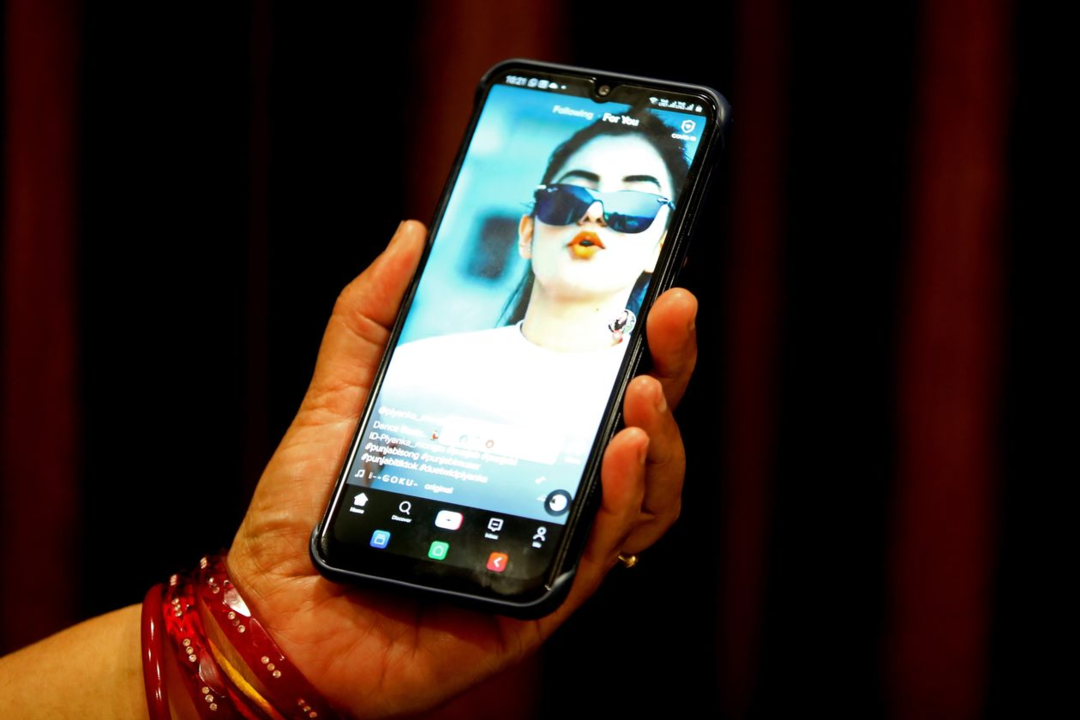
A creator database doesn’t need to be complex. Even a simple spreadsheet with creator name, profile link, niche, average views, sample status, content link, and performance notes will compound in value over time. The teams that struggle with TikTok UGC creator search year after year are usually the ones starting from scratch every time.
Frequently Asked Questions
What’s the fastest way to find qualified TikTok UGC creators?
There is no single fastest way that works for every category. The fastest reliable method is to define your creator criteria first (niche, engagement, audience demographics), then test two or three discovery channels in parallel, and double down on whichever produces the best qualified reply rate in the first two weeks. Generic searches without criteria tend to waste time on creators who never fit your product.
How many creators should we contact for a campaign?
That depends entirely on your conversion funnel and your sample budget. A reasonable starting point for most consumer product brands is 30 to 50 initial contacts to generate 5 to 10 samples, which typically yields 3 to 6 published pieces of content. Scale only after you understand your funnel conversion rates.
Should we pay creators upfront or only on performance?
Both models have merit. Upfront payment or product gifting reduces friction and often gets faster commitments. Performance-based payment aligns incentives but can attract creators who are only in it for the guaranteed fee. The choice depends on your budget, your risk tolerance, and your category norms. [Requires evidence supplementation: performance-based vs. gifted UGC campaign success rates]
How do we handle creators who don’t deliver content after receiving samples?
Build a clear policy before you start outreach. Most teams set a two-week deadline for content delivery after sample receipt, with a follow-up at day seven. If content isn’t delivered, a polite check-in usually gets a response. If there’s no reply after a second follow-up, the creator is flagged in your database and future outreach is paused. This isn’t punitive—it’s just good workflow hygiene.
Getting better at finding TikTok UGC creators is really about getting better at running the entire process—not just the search part. Teams that treat this as a workflow problem rather than a sourcing problem will iterate faster, waste less budget, and eventually build a creator pipeline that doesn’t require starting over every campaign.