Two sellers bookmarked the same video in the same week. A 22-second clip of a serum bottle being opened under a bathroom light, four million views, a brand neither of them competed with. The first one ran a viral video remake that afternoon: same hook, same three-quarter angle, same hand, same pacing — and their own bottle, a 30ml with a different cap and a label that photographs badly. It did well. The second seller tried the same thing and ran out of usable footage at second nine, because their product ships in a box and the box is ugly on camera.
That gap is the entire difference between a remake that works and one that dies, and it sits upstream of whatever tool you use.
This is written for the seller holding a viral video they want to copy and a catalogue that does not always cooperate — ten to fifty SKUs, one or two people doing content, US or Southeast Asia, no in-house editor. At that size a remake is the cheapest content you can make, and the easiest to get wrong in a way that looks like a tooling problem when it is actually a product problem.
What a remake actually takes, and what it must leave behind
Not the footage. The footage is the one thing you cannot reuse, and it is what everyone copies first.
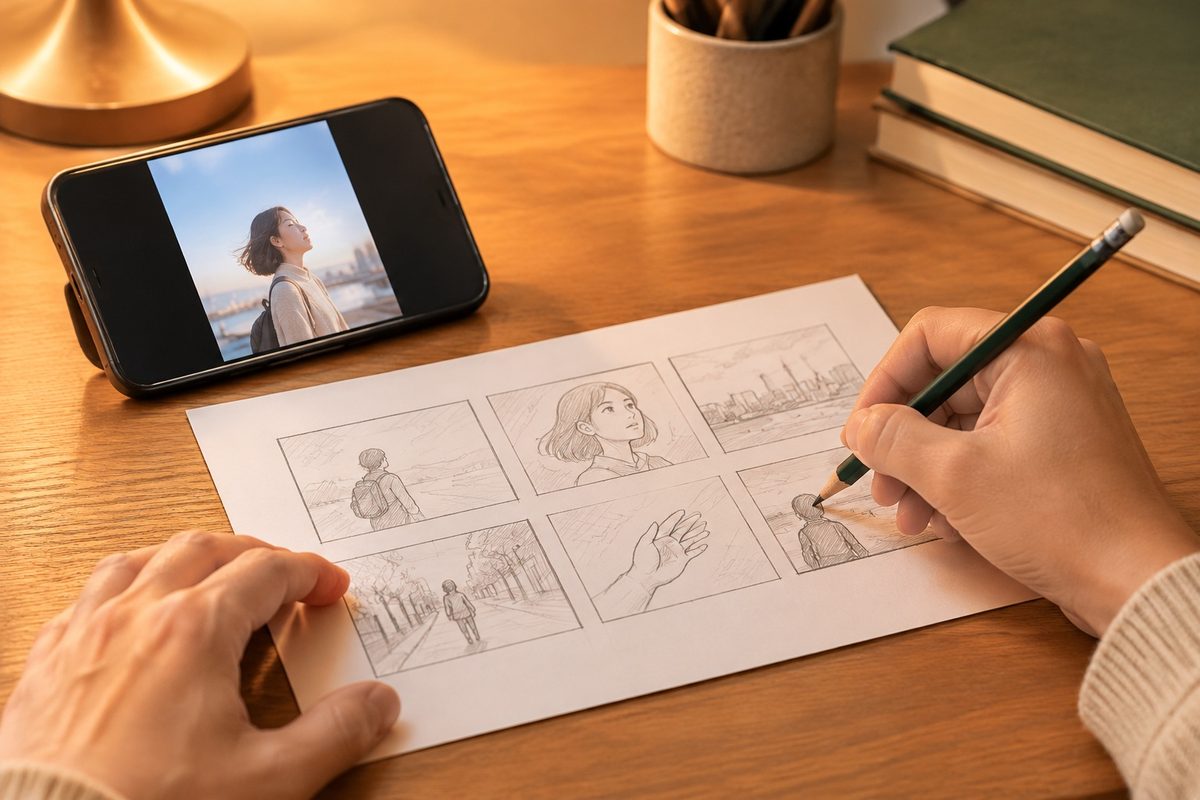
What travels between products is the beat sequence: how many shots, in what order, how long each holds, and what the viewer is asked to do at the end. A 22-second serum clip usually runs five or six beats — object in frame, hand enters, cap comes off, texture on skin, bottle set down, price or call to action. That skeleton is portable across almost any physical product. The serum becomes a sauce, a cable, a pair of earrings, and the skeleton still works, because it is a rhythm, not a script. That portability is the whole reason a viral video remake is worth doing at all.
What does not travel is anything that names the other product. The on-screen text, the voiceover claim, the music, the creator’s face, the specific hand. Copy those and you get a video that reads as a knock-off to anyone who saw the original, and reads as a badly lit product shot to everyone who did not.
The working method is to strip the reference down to its skeleton before anything gets generated. Watch it once with the sound off and count cuts. Watch it again with the picture off and count sentences. Write those two lists on one page. That page is what you remake from, not the video itself.
Choosing which video to remake, and which to leave alone
The reference library matters more than the editing. A remake input can come from a pasted TikTok video link or ID, or from filtering a viral video library by region, product category, view count and GMV before choosing. Filtering first is the part people skip, and it is the part that decides whether the remake has a chance. In DAMI those filters sit in front of the remake step, so the library is narrowed to a region, a category and a revenue band before anything gets generated.
Three filters do most of the work. Region, because a hook that lands in Jakarta reads as slow in Los Angeles and a US hook reads as shouty in Bangkok. Category, because the beat sequence for apparel depends on movement and the sequence for supplements depends on proof. And GMV rather than views, because a video with two million views and no sales tells you the hook worked and the product did not.
There is a fourth filter that is not in the interface: whether your own listing can supply the shots the sequence needs. If the skeleton calls for a texture close-up and your listing has one flat pack shot on white, no amount of generation fixes that. The viral video remake will produce something; it will just be a video of a product nobody can inspect.
| Element of the reference | Copy it? | Why |
|---|---|---|
| Number of shots and their order | Yes | The only part that transfers cleanly between products |
| Hold time per shot | Yes | Pace is what makes a clip feel native to the feed |
| Structure of the hook line | Yes, rewritten | Keep the shape, replace the claim with one your product can support |
| On-screen text wording | No | It names the other product and, often, a claim you cannot make |
| Music | No | Rights and regional availability differ from what the original used |
| The creator’s face and hands | No | Recognition is the point of the original; it works against you here |
Where remakes stop working
Three places, and all three are honest limits rather than bugs.
The first is categories where the product’s value is invisible. A remade sequence shows what the camera can see. If what you sell is a warranty, a subscription, or a service bundled with a cheap device, the skeleton has nothing to point at and the video ends up as a product turntable nobody watches to the end.
The second is markets where the reference never circulated. A structure that went viral in one market sometimes carries a joke or a gesture that reads as odd somewhere else. Filtering the reference library by region exists precisely because of this, and it is worth using even when the original is in the same language.
Feeding a set of accounts after the remake exists
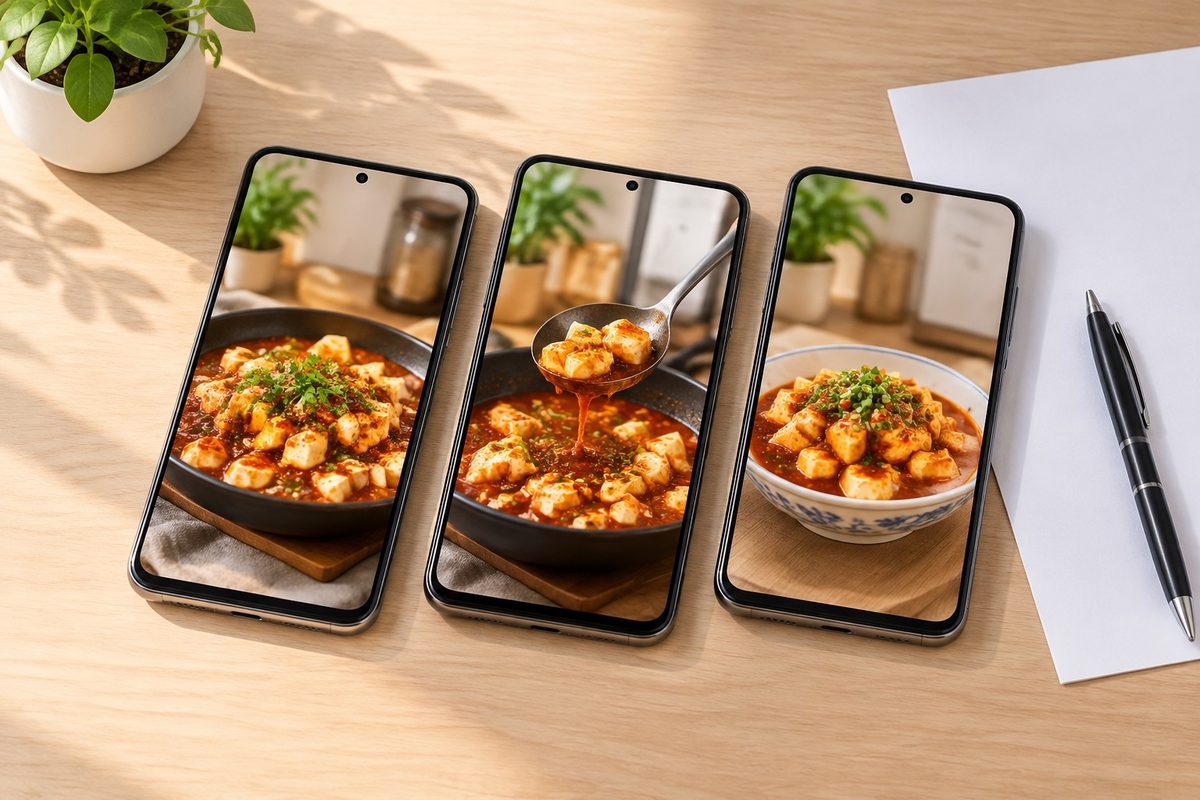
A remake produces one asset. A small team usually needs twelve. That is the second half of the job, and it is where the afternoon disappears if the distribution is manual: twelve accounts, twelve logins, twelve chances to attach the wrong product anchor.
DAMI’s remake step starts from a pasted link or a filtered library pick, and the resulting asset goes into the same workspace where publishing and the per-video numbers sit, so a clip can be scheduled to several authorised creator accounts with the product anchor attached rather than uploaded one at a time. The number that comes back afterwards is the only honest test of whether the structure transferred — a remake that gets the same views as your last original and half the sales copied the wrong layer.
FAQ
Can I remake a competitor’s video without permission?
The structure is not the thing anyone owns. The footage, the music and the creator’s likeness are. Copying the beat sequence and shooting or generating your own material is a different act from re-uploading theirs, and the second one is what gets accounts actioned. DAMI’s remake step starts from a link and returns generated material rather than the original file.
Does a remake work for a product with no video footage at all?
Partly. A sequence built from static imagery can hold a viewer through three or four beats. It cannot carry a texture close-up or an in-use shot, so the skeleton has to be shortened to what you can actually show. A remake that skips the proof beat still works; one that fakes it does not.
How many remakes before the structure stops working in a feed?
The structure does not wear out; the audience’s recognition of it does. The practical rule for a small account set: do not run the same skeleton twice in a row on the same account. Rotate two or three references by category so the rhythm changes even when the product line does not.
Pick one video that already sold in your category, strip it to a shot count and a sentence count, and check whether your listing can supply every beat. If it cannot, that is the finding, not the video. That preparation is most of the job; the viral video remake itself is the last twenty minutes of it. Hook analysis on the first three seconds covers how much of the sequence has to survive the scroll, and turning a competitor’s viral video into a shot list is the version of this for a shoot rather than a generator. The DAMI creation workspace is where the remake, the schedule and the per-video numbers sit together, or you can create an account and run the first link through it today.