Twenty TikTok Shop creator videos, one launch date, one person to watch them. The brand team approved all twenty on a Tuesday. By Thursday four were held after publishing, two had been taken down, and the account that posted them was on a warning. Nothing in the videos looked wrong to a marketer. Three had a claim in the voiceover that no one had written down, and one had a background song the creator had used before without trouble. Three of those four holds would have surfaced in a TikTok Shop pre-publish check on the Tuesday, while the fix was still a re-render and not a takedown.
That gap — what a brand team reads as fine and what the platform reads as a violation — is the entire reason a pre-publish check exists. It is not legal review and it is not a substitute for a brief. It is a mechanical pass that happens before the video goes out, while a fix is still cheap.
This is written for the seller running fifteen to forty creator accounts into a single launch window — apparel, home goods, anything with a fixed campaign date — where held TikTok Shop creator videos are not an inconvenience but a hole in the schedule.
What the check catches, and the five things that get held
The TikTok Shop pre-publish check runs the video against platform rules before it is published, flags the specific risk, and lets you fix and resubmit. It catches the mechanical categories — prohibited claims, restricted product presentation, disallowed audio, missing AI-generated labelling — rather than the judgement calls.
That division matters when you decide who does what. A person should be deciding whether the video sells the product. The check should be catching whether the video is allowed to exist. Teams that blur the two end up arguing about creative in a review that was never designed to have an opinion about creative.
What it does not do is explain the platform’s reasoning in a way that generalises. You get a flag and a fix, not a rule you can teach the next twenty creators. The teaching part still has to happen in the brief.
Across the launches most teams remember, the same handful of causes repeat. They are boring, they are fixable in minutes, and they are almost never the thing the brand team was worried about.
| Cause | What it looks like | Fix before publishing |
|---|---|---|
| Health or outcome claim | “Clears skin in 3 days”, “lose 5kg” | Cut the claim or restate it as a description, not a promise |
| Before/after framing | Two shots implying a physical change | Remove the pair; keep one state only |
| Unlabelled AI footage | Generated scenes that read as real filming | Apply the AI-generated label at publishing |
| Third-party audio | A track the creator had used before | Swap for commercially cleared audio in the post settings |
| Restricted presentation | Product shown in a way the category forbids | Reshoot the frame, not the whole video |
The first two account for most takedowns and both come from the same place: a creator improvising a benefit because the brief described the product instead of describing what may be said about it. Fixing this is a line in the brief, not a longer review.
Why creator accounts get flagged more than brand accounts
A creator shoots in their own voice, in their own room, with their own habits. That is exactly what makes the video work and exactly why it drifts outside a brand’s approved language. A brand account has a person whose job is to not say that; a creator has a person whose job is to sound like themselves.
There is a second asymmetry. Creator accounts carry their own history. One account may have had a strike eight months ago that nobody on your team knows about, and the same video that publishes cleanly on account A gets held on account B. Reviewing the video without reviewing the account leaves half the risk unaddressed.
The practical consequence: review in the order the video will publish, account by account, rather than approving a file and then distributing it. A video is only cleared for a specific account at a specific time. DAMI keeps past review results for this reason — after two launches you can see which accounts keep getting held and brief those creators differently.

Getting twenty videos through one week, and what it cannot save you from
The manual version does not survive volume. Watching twenty videos once, twice after fixes, and again after resubmission is sixty viewings, and the third pass is where attention fails and something slips through.
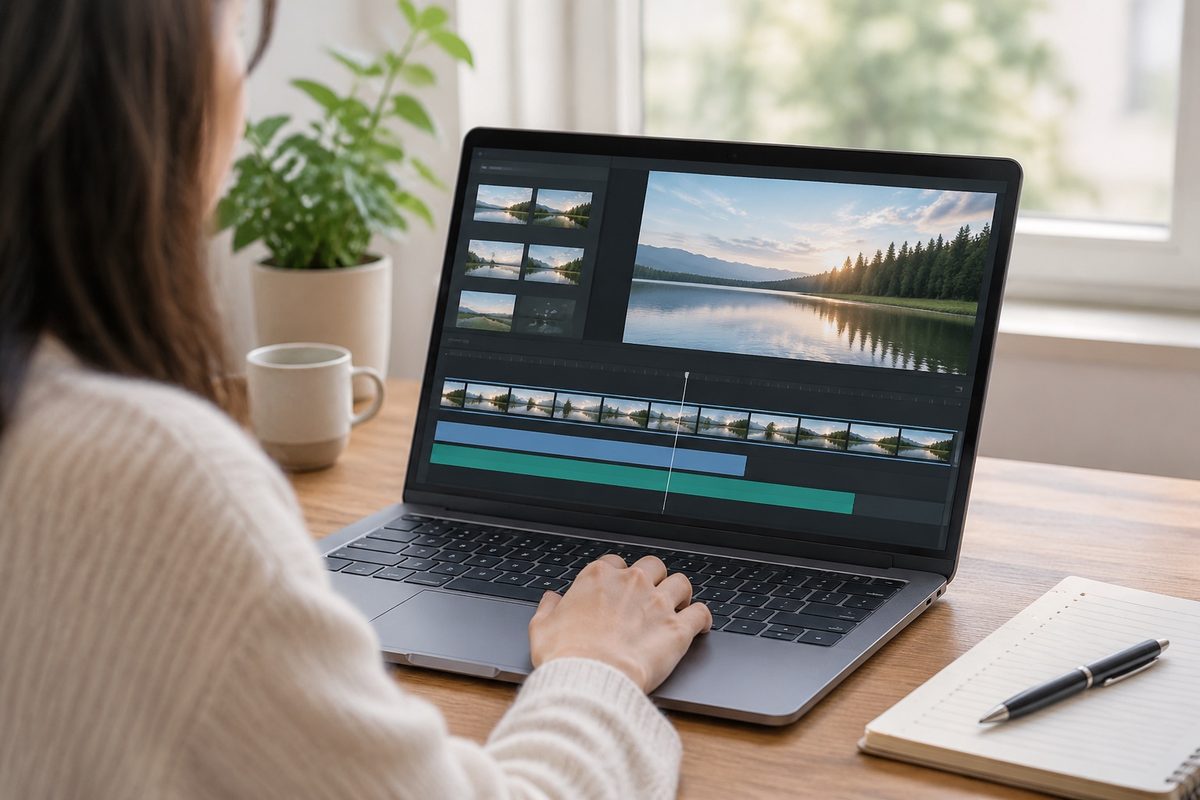
DAMI’s pre-publish check takes videos by drag-and-drop or reads a finished project from the creation module, flags the risk, and lets you fix and resubmit inside the same flow, with past results kept for reference. The value is not that it is smarter than a person — it is that pass three is as careful as pass one, and that the record of what was checked exists for the next launch.
Two honest limits to the pre-publish check. A check confirms a video against rules that exist now; rules change, and a video cleared last quarter is not automatically cleared this one. And the check has no opinion about whether the video is any good — a compliant video can still be boring, and a boring video that passes every box will not sell anything.
It will not save you from a bad brief. If the brief permits a claim the platform dislikes, every creator will produce it, every video will get flagged, and the review becomes a queue of identical fixes. Fixing twenty videos one at a time when one line in the brief caused all twenty is the most expensive way to solve it.
It will not save an account with a history. If an account is already limited, a clean video does not restore it, and planning a launch around that account is a scheduling risk rather than a content risk.
And it will not replace watching the video yourself. The check tells you whether it is allowed. Only you can tell whether the product reads clearly in the first second, whether the creator said the price correctly, and whether the thing is worth posting at all. The six-item content checklist covers what a person should look at; the pre-publish review pass is the version that includes the account, not just the file.
FAQ
Does a passed check guarantee the video stays up?
No. It reduces the chance of a mechanical takedown. Platform review still happens after publishing, and a video that passes every check can still be actioned later.
Should the check run before or after the creator sends the final cut?
After the final cut, before publishing, and again if anything is edited. DAMI keeps the previous result, so the second pass starts from what changed rather than from the beginning. Running it on a draft that then changes is worse than not running it, because it creates a record that says cleared when nothing was.
Who should own this step?
The person who publishes, not the person who briefed. The publisher is the last one holding the file before it becomes public, and ownership that sits anywhere else tends to turn into a handoff that nobody completes.
Take the last five videos you published and run them through the pre-publish check now, even though they are already live. What comes back tells you whether your brief is producing risk at a steady rate — and that is a cheaper thing to learn from old videos than from a launch week. The DAMI publishing and pre-check workspace is where review, scheduling and the account list sit together, or you can create an account and run the next batch before it goes out.