A seller in Surat runs a small textile business with three people and a WhatsApp group full of resellers. He has watched TikTok Shop work for brands in other markets, found a tutorial online explaining how to register for “TikTok Shop India,” and spent most of a weekend trying to select India in the country menu.
The option is not there. It has never been there.
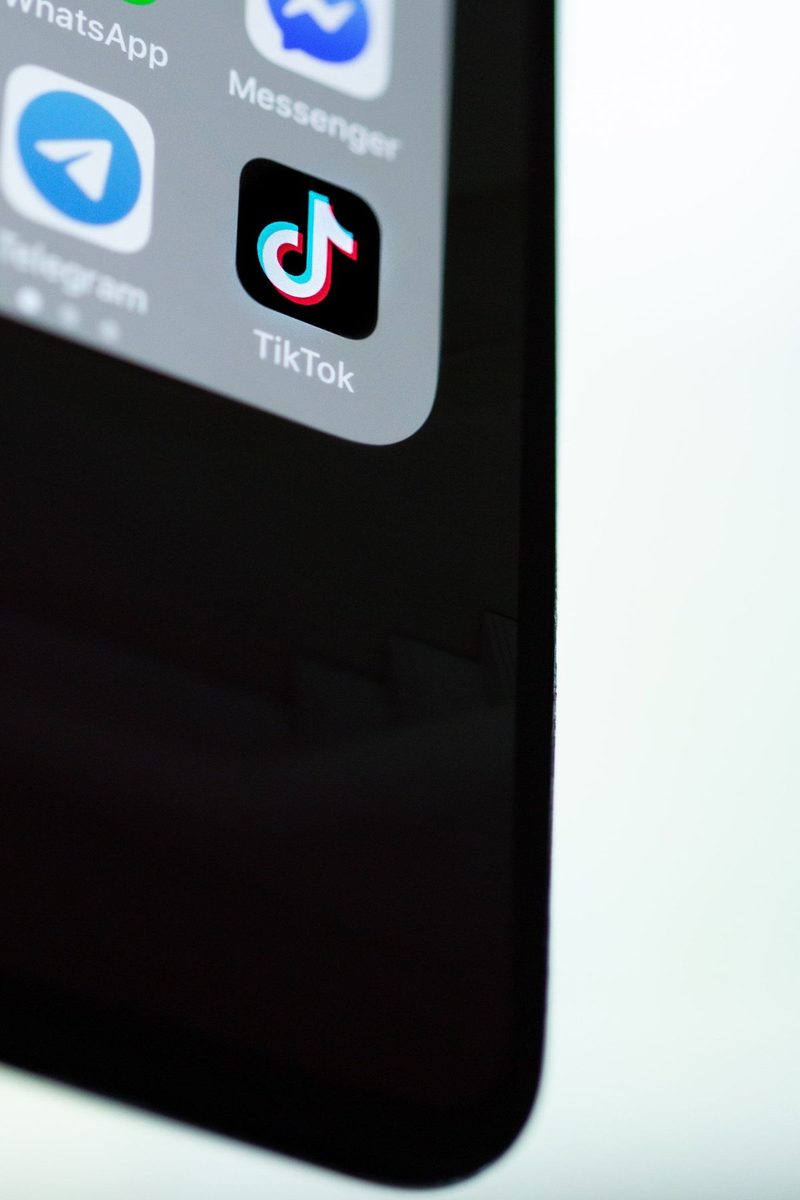
TikTok was blocked in India in June 2020 along with dozens of other applications, and that restriction remains in force in 2026. Because the application itself is unavailable in the country, TikTok Shop does not operate in India. There is no Indian seller account to open, no Indian storefront to build, and no way to reach Indian consumers through TikTok Shop checkout.
What follows is not advice for getting around that. It is a clear account of what is actually possible for an Indian brand, which paths involve real costs, and how to tell genuine opportunity from the considerable amount of misinformation around this topic.
One thing worth saying early, because it saves time: any service promising to register you for an India-facing TikTok Shop is either describing cross-border selling into another country, or selling you something that does not exist. Those are very different things and only one of them is real.
Why the Search Results Look So Convincing
Search “TikTok Shop India” and you will find guides explaining eligibility requirements, document lists, and step-by-step approval processes. This material exists for two reasons, and neither involves an actual Indian marketplace.
The first is template reuse. Content written about markets where TikTok Shop does operate gets republished with “India” swapped into the country field, because it is cheap to produce and ranks for search traffic. The registration steps described may be accurate — for the United States, or the United Kingdom, or Indonesia — which makes the page read authoritatively even though the premise is wrong.
The second is that Indian vendors do sell on TikTok every day, and observers conflate that with TikTok Shop. A seller in Mumbai can post videos, go live, attract attention, and then take the order by bank transfer, WhatsApp, or their own website. That is a real and often effective business. It is not TikTok Shop. TikTok Shop means the product listing, the checkout, and the payment all happen inside the application, and TikTok settles the money.
Both activities are legitimate. Only one is TikTok Shop, and conflating them is how people end up believing there is an Indian version to sign up for.
What Actually Determines Where You Can Register
Selling on TikTok Shop is organised strictly by market, and eligibility is tied to where your business legally sits.
TikTok Shop currently accepts seller registrations in nineteen countries across three regions:
| Region | Countries where you can register |
|---|---|
| Americas | United States, Mexico, Brazil |
| Asia | Indonesia, Japan, Malaysia, Philippines, Singapore, Thailand, Vietnam |
| Europe | United Kingdom, Ireland, Spain, France, Germany, Italy, Netherlands, Belgium, Poland |
Africa has no seller registrations at all, and India is not on the list.
The general requirement pattern is consistent across those markets. You need to be of legal age and either reside in or hold a registered business in the supported country. You provide identity documents — for businesses, entity documents — plus a tax identifier for that market and a local bank account whose name matches the entity. Some markets add further requirements: Indonesia, for example, expects a local entity and has previously suspended and relaunched TikTok Shop over regulatory questions.
The important structural point for an Indian seller: eligibility attaches to the country of sale, not to where you would like your customers to be. Registering to sell to Indian shoppers is not a thing, because there is no Indian storefront to sell from. Registering to sell into one of the nineteen supported markets is possible, but requires a genuine business presence there.
If you are evaluating whether a European market makes sense for you, How to Start Creator Outreach on TikTok Shop Europe covers what entering those markets actually involves once registration is sorted.
The Three Routes That Are Real
There are exactly three paths available to an Indian business, and they differ enormously in cost and complexity.
Route one: run a social commerce business in India without TikTok Shop. Instagram Shopping is the default for this and it works. A textile seller converts to a business profile, links a Facebook page, builds a product catalogue through Meta Commerce Manager, and tags products in posts and Reels. Shoppers tap a tag and land on your own website to pay. The threshold is low, the infrastructure is mature, and 2025 changes mean checkout increasingly happens on your own store rather than inside Instagram.
This route is the right answer for a great many small businesses, and people skip it because it is less novel than TikTok Shop. If your customers are Indian and your operation is small, this is very likely what you should be doing.
Route two: establish a genuine presence in a supported market and sell cross-border. This is what every genuinely legitimate “TikTok Shop for Indian sellers” offer is describing. It means forming or acquiring a registered entity in a country where TikTok Shop operates, obtaining local tax registration, opening a local bank account, arranging fulfilment that meets that market’s service levels, and handling creator outreach in that market’s language.
The costs are real and the timeline is not short — forming a local entity and obtaining tax registration typically takes weeks to a couple of months depending on the country. This is a genuine international expansion, not an onboarding form, and it should be evaluated as one.
Route three: sell through a partner already established in a target market. Some brands work with a distributor or operating partner that holds local registration in a supported country. This reduces the setup burden considerably and transfers much of the compliance and fulfilment work. It also transfers margin and control, so the arithmetic needs to be done carefully.
What is not on this list: registering with a false address in a supported country. Every market verifies documents and bank accounts against each other, mismatches fail verification, and a discovered false registration is typically a permanent closure rather than a fixable problem.
Where DAMI Fits
For Indian brands that take route two — genuine registration in a supported market — the operational problem becomes creator outreach in a market you do not physically operate in. That is a staffing problem before it is a software problem, and it is where most expansions stall.
DAMI operates on stores in supported TikTok Shop markets, handling creator discovery and bulk outreach across those destinations rather than against an Indian storefront. For a three-person Surat textile business that registers in the United Kingdom, the practical use is that a small team can run creator outreach into that market without hiring locally for it — searching a shared creator database, running bulk invite batches, and keeping reach-out records in one place instead of in somebody’s WhatsApp.
The honest constraint: DAMI does not create eligibility. No tool does. If the entity, tax registration and bank account in the target market are not in place, there is no store for this to operate against. Treat expansion readiness as the prerequisite and outreach tooling as something that helps afterwards. If you are comparing options on this side, Best Creator Database for Cross-Border TikTok Shop Sellers goes through what matters when selecting on it.

Questions to Ask Before Spending Anything
Three questions settle which route applies to you, and asking them first is cheaper than discovering the answer later.
Where are your customers? If they are overwhelmingly in India, TikTok Shop is not the channel and Instagram plus your own store is. Building an international entity to reach customers you can already reach directly is expensive complexity with no upside.
Can you fund a real presence abroad? Entity formation, local banking, tax registration, freight, returns handling and local-language customer service all cost money before the first order. If the answer is no, route two is not currently available to you regardless of how attractive the market looks.
Does your product have a reason to win in the target market? Competition in the US and European TikTok Shop markets is established. A category without a differentiated product or price story tends to discover expensively that it has spent six months on setup for nothing.
What Would Change This
This article describes the position as of late 2026, and two things could alter it.
The Indian government could lift the restriction. Official statements have indicated no order has been issued to lift the ban, and there has been no announcement confirming TikTok’s return. Treat any claim that this has changed with strong scepticism until it appears in an official government or TikTok announcement — this topic attracts speculation, and the volume of confident but unsourced claims is high.
TikTok could add India as a market if the ban were lifted. That would not be instant even then: every previous market launch involved months of preparation, local hiring, logistics partnerships, payment integration and creator onboarding before opening.
Both of those are hypothetical, and building a 2026 plan around either would be a mistake. The productive version of preparing for this possibility costs nothing extra: build content capability now, understand how short-form shoppable video works, and develop relationships with creators elsewhere in the world. That capability transfers if anything changes and pays for itself immediately if it does not.
Frequently Asked Questions
Is TikTok Shop available in India in 2026?
No. TikTok has been blocked in India since June 2020 and remains blocked, so TikTok Shop does not operate there. There is no Indian seller account available and no way to sell to Indian consumers through it.
Can I register for TikTok Shop with an Indian business and sell abroad?
Not by itself. Registration requires a genuine legal presence in one of the nineteen supported countries. An Indian entity alone does not satisfy that requirement in any of them.
I saw a tutorial with a full India registration process. Is it fake?
Almost certainly describing another country with the country field changed, or describing something that is not TikTok Shop. Check any such guide against TikTok’s own seller documentation for the market it actually covers.
What is the realistic alternative for reaching Indian customers?
Instagram Shopping plus your own website checkout, with WhatsApp handling follow-up. It is mature, widely used in India, and does not require foreign entity formation.
Should I wait for the ban to be lifted?
Do not build a plan around it. Develop short-form content capability and creator relationships in markets that are open now; that work pays off immediately and transfers if circumstances change.
If you decide the cross-border route is right for your brand, the product page shows how the outreach side works once a store is live, and you can register for a DAMI account when your target-market entity is ready.