TikTok Shop Affiliate Marketing Complete Guide for Sellers
Let’s get straight to it: TikTok Shop affiliate marketing is the single highest-ROI customer acquisition channel for cross-border sellers right now. Tarte Cosmetics generates 88% of its revenue through affiliates. But most sellers I’ve talked to are stuck somewhere between “I set up my affiliate program and nothing happened” and “I have 200 creators and can’t tell which ones are actually making me money.”
If you’re already selling on TikTok Shop, you probably feel the tension: the platform pushes affiliate marketing hard, every competitor seems to have a creator army, and yet your own program feels like throwing samples into a black hole. I’ve worked with sellers who went from zero to $50K monthly affiliate GMV in 90 days, and others who burned through 500 samples with $0 in sales. The difference was never about product quality or budget. It was about systems.
This guide walks through everything from setting up your affiliate program to scaling past 100 creators with a structured framework. Whether you’re just starting or already have creators but can’t break through, you’ll find the specific steps, numbers, and decision points you need.
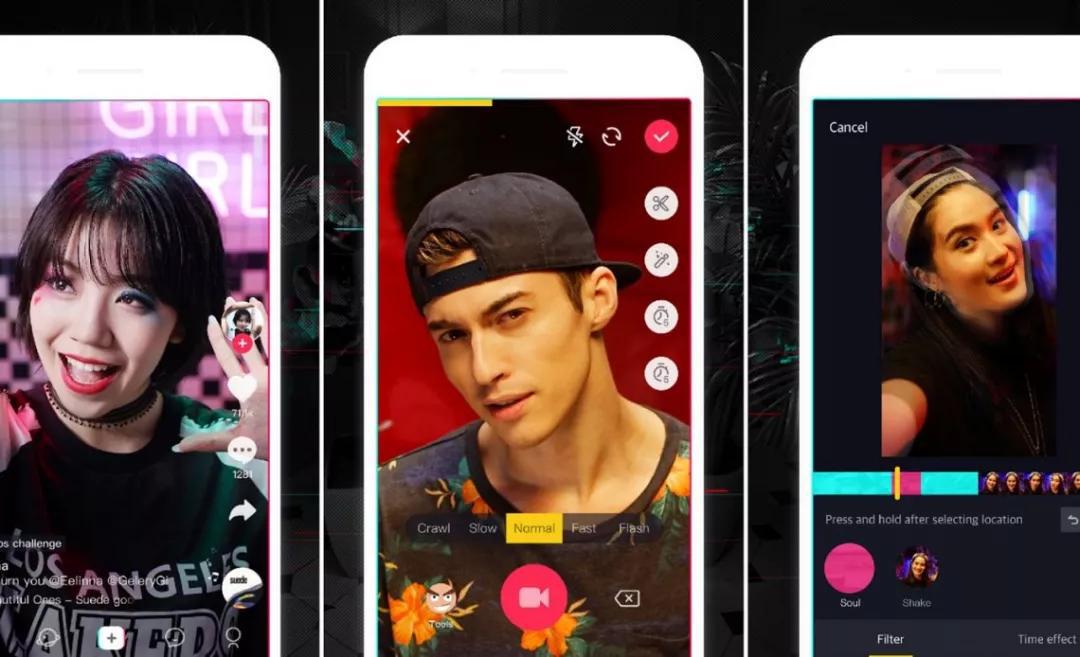
What Is TikTok Shop Affiliate Marketing (Really)
TikTok Shop affiliate marketing lets creators promote your products and earn a commission on each sale they drive. That’s the one-sentence version. Here’s what actually happens in practice.
Creators browse the TikTok Shop product marketplace, find products that fit their niche, and either request a sample or start promoting directly. When a viewer watches their video, taps the product link, and buys, the creator earns their commission automatically. You, the seller, pay nothing upfront. The commission is deducted from the transaction.
But here’s what catches sellers off guard: TikTok Shop has two distinct collaboration models, and treating them the same way is the fastest path to wasted samples and dead relationships.
Open Collaboration vs Targeted Collaboration
Open Collaboration means any creator with an SPS (Seller Performance Score) of 3.5 or higher can discover and apply to promote your products. It’s like casting a wide net. Great for volume, terrible for control. When you enable Open Collaboration, your products appear in the affiliate marketplace, and creators can request free samples. The 30-day activation period means creators who accept samples have 30 days to post content before the sample agreement expires.
Targeted Collaboration means you handpick specific creators and send them direct invitations with custom commission rates. You control who, you control how much, and you can set specific terms. In my experience, Targeted Collaboration converts 2-3x better than Open Collaboration because you’re choosing creators whose audience actually matches your product.
The mistake I see most often: sellers enable Open Collaboration on day one, get flooded with sample requests from random creators, and then wonder why their sample-to-content ratio is 15:1. The fix is simple but counterintuitive. Start with Targeted Collaboration. Prove the model with 10-20 handpicked creators. Then open the floodgates.
If your affiliate program isn’t showing up for creators at all, that’s a different problem. Check this troubleshooting guide: why your TikTok Shop affiliate isn’t showing up for creators.
Setting Up Your Affiliate Program: The 7-Step Checklist
I’ve set up affiliate programs for over a dozen TikTok Shop sellers, and the setup process is always the same seven steps. Skip any one of them and you’ll pay for it later.
Step 1: Verify Your Seller Eligibility
Your shop needs an SPS score of at least 3.5 to participate in the affiliate program. If you’re below that, fix your fulfillment rate, customer service response time, and product quality issues first. No amount of creator marketing will save a shop that TikTok doesn’t trust.
Step 2: Choose Your Commission Default
This is your base commission rate for Open Collaboration. Set it too low and no creator will pick you over the competition. Set it too high and you’ll attract sample hunters who never post. The standard range is 10-25%, with 15-20% being the sweet spot for most categories. Beauty and supplements tend to run higher (20-30%) because margins allow it. Electronics and home goods can work at 10-15%.
Step 3: Enable Open Collaboration (Strategically)
Don’t enable Open Collaboration on all products at once. Pick 3-5 hero products with strong visual appeal, healthy margins, and proven organic demand. These are the products you want creators to discover. Leave low-margin or complex products on Targeted Collaboration only.
Step 4: Build Your Sample Inventory
Allocate samples as a marketing budget, not a cost. A reasonable starting allocation is 100-200 units of your hero product. Each sample costs you COGS plus shipping, so know your per-sample cost before you start. If your product costs $8 to produce and ships for $3, each sample is an $11 investment. At a 15% commission on a $30 product, one sale earns the creator $4.50 and nets you $16.50 after COGS. You need roughly 1 sale per 3 samples to break even on the sample investment alone.
Step 5: Create Your Creator Brief Template
This is where 80% of sellers fail. “Make a video about my product” is not a brief. A real brief includes product key selling points, content do’s and don’ts, target audience description, posting timeline, and hashtag guidance. I’ve written an entire deep dive on this topic, which you can read here: how to write TikTok Shop creator briefs that actually convert.
Step 6: Set Up Your Tracking Spreadsheet (or Tool)
Even if you’re using a tool like DAMI for creator management, you need a master tracking sheet. Columns should include: Creator handle, collaboration type (Open/Targeted), sample sent date, sample status (shipped/received/posted/expired), content URL, GMV generated, commission paid, and ROI. If this sounds tedious at 10 creators, wait until you have 50. Setting it up now saves weeks of chaos later. For managing larger creator teams, this guide covers the operational side: TikTok Shop affiliate team management strategies.
Step 7: Define Your Approval Criteria for Open Collaboration Requests
When you enable Open Collaboration, you’ll get sample requests. Lots of them. Decide upfront: What’s your minimum follower count? Minimum video count? Minimum engagement rate? Do you require a specific niche? Without criteria, you’ll approve everyone, run out of samples in a week, and have nothing to show for it.
My recommended baseline: 10K+ followers, 20+ posted videos, average views per video above 1K, and content that’s relevant to your product category. You can adjust these based on your category and budget.
Commission Structures That Actually Work (Flat vs Tiered vs Hybrid)
Your commission structure is the single most important lever in your affiliate program. Get it right and you’ll attract quality creators and maintain healthy margins. Get it wrong and you’ll either overpay for mediocre performance or lose your best creators to competitors offering more.
I’ve broken down commission structures in detail, and you can read the full analysis here: TikTok Shop commission structures compared. But here’s the practical summary.
| Structure | How It Works | Best For | Risk |
|---|---|---|---|
| Flat Commission | Same percentage for all creators (e.g., 15%) | New programs, simple management | Top creators leave for better offers |
| Tiered Commission | Higher rates for higher performers (e.g., 15% base, 20% at $5K GMV, 25% at $10K) | Scaling programs with 50+ creators | Tier thresholds too high to be motivating |
| Hybrid Commission | Base commission + performance bonus + exclusive terms for top creators | Mature programs with 100+ creators | Administrative complexity without tools |
The Flat Commission Trap
Flat commission is where everyone starts, and that’s fine. But I’ve seen a pattern that repeats like clockwork: a seller sets 15% flat, attracts 30 creators, and within two months their top 3 creators are generating 60% of affiliate revenue. Those top 3 creators start getting DMs from competitors offering 25%. The seller doesn’t know because they’re not tracking creator-level ROI. One day, the top creator switches to a competitor and affiliate GMV drops 40% overnight.
The fix: move to tiered commissions before this happens, not after. Once a creator proves they can drive consistent sales, proactively offer them a higher tier. A seller I worked with ran this exact play: she identified her top 5 creators at month 2, bumped them from 15% to 22%, and signed 3 of them to 30-day exclusive terms. Her affiliate revenue grew 3x in the next 60 days because those creators went all-in on her products instead of splitting attention across competitors.
Exclusive Commissions: Worth It?
Exclusive commission rates (typically 25-35%) lock a creator into promoting only your products in a category for a set period. This is powerful for your top 10-20% creators but risky if applied too broadly. Reserve exclusivity for creators who’ve proven they can consistently drive $3K+ in monthly GMV. Give them a 30-day exclusive agreement, track the results, and renew if the numbers justify it.
Thinking about trying DAMI for managing your creator commissions and tracking? Set up your DAMI account and start managing creators with AI-powered tools.
Finding Creators: Open Collaboration vs Targeted Collaboration
Finding the right creators is where most programs win or lose. And the approach depends entirely on which collaboration model you’re using.
Finding Creators Through Open Collaboration
When you enable Open Collaboration, creators find you. But passive discovery is slow and unpredictable. To accelerate it, optimize your product listing for the affiliate marketplace: clear product images, compelling titles, and competitive commission rates. Creators browsing the marketplace filter by category, commission rate, and product popularity. If your product isn’t in the top 20 for its category, it won’t get discovered organically.
Finding Creators Through Targeted Collaboration
This is where you take control. The process is: identify creators, evaluate their fit, send them a targeted invitation with a custom commission rate, and manage the relationship. The challenge is finding the right creators in the first place.
Here are the methods I’ve seen work:
- Competitor reverse lookup: Find creators who are already promoting your competitors’ products. They’ve proven they can sell in your category and already have the audience. Tools like DAMI offer competitor creator reverse lookup, which pulls the creator list from any competitor’s TikTok Shop. This is the single highest-conversion source of creators I’ve found.
- Category hashtag mining: Search hashtags related to your product category (#tiktokmademebuyit, #tiktokshopfinds, plus category-specific tags). Scroll through top videos and identify creators whose content style and audience match your product.
- Affiliate marketplace browsing: Browse TikTok Shop’s own creator marketplace, filter by your category, and look for creators with engagement rates above 3% and follower counts in your target range.
For a deeper dive on finding creators who are already working with your competitors, I’ve written a detailed guide: how to find and recruit competitor creators.
The DAMI Approach to Creator Discovery
Manual creator discovery works at 10-20 creators but breaks down fast. DAMI’s 8M+ creator database lets you filter by category, follower count, engagement rate, geographic market, and past TikTok Shop performance. You can also use the competitor reverse lookup feature to instantly pull creators who are already selling similar products. This cuts discovery time from hours to minutes and dramatically improves match quality because you’re working from real sales data, not just follower counts.

Sample Management: Why 30-50% of Creators Ghost After Accepting
Here’s a number that stings: 30-50% of creators who accept your sample will never post a single piece of content. This isn’t a TikTok Shop problem. It’s a human behavior problem. Creators get busy, lose interest, find a better-paying partnership, or simply forget. The question isn’t how to eliminate ghosting (you can’t). It’s how to minimize it and recover the investment from creators who do ghost.
The Sample-to-Content Ratio
This is the metric that tells you whether your sample program is working. The ratio is simple: number of samples sent divided by number of content pieces produced.
- 5:1 is average. 5 samples sent for every 1 piece of content posted.
- 10:1 is great. You’re targeting well and 10% post rate.
- 15:1 is elite. Top-tier creator selection and strong product-creator fit.
- 20:1+ means you have a problem. Either your targeting is off, your product isn’t compelling, or you’re attracting sample hunters.
If you’re at 15:1 or worse, stop sending samples immediately and diagnose the problem. Are you approving every Open Collaboration request? Are your samples going to creators with no relevant audience? Is your product something that’s hard to make interesting on camera? Each of these has a different fix.
Sample Management SOP
Here’s the sample management SOP I recommend to every seller:
- Sample request review: Review each request within 24 hours. Check creator’s follower count, posting frequency, and engagement rate. Reject if below your threshold. Don’t feel bad about rejecting; you’re protecting your sample budget.
- Sample approval and shipping: Ship within 48 hours of approval. Creators lose momentum fast. If they wait 2 weeks for your sample, they’ve moved on to the next product.
- Receipt confirmation: Send a DM 3-5 days after shipping to confirm receipt. This is also your first content nudge: “Hey, just checking if the sample arrived! We’d love to see what you create. Target posting date is within 2 weeks.”
- Content deadline: Set a clear deadline at sample approval. “Please post within 14 days of receiving the sample.” This isn’t enforceable on Open Collaboration, but it sets expectations. On Targeted Collaboration, you can make it a condition of the sample.
- Follow-up sequence: If no content by day 14, send one reminder. If no content by day 21, send a final reminder. If no content by day 30, mark as ghosted and move on. Don’t waste more time chasing.
- Ghost tracking: Record every ghosted creator. If they apply again, don’t send another sample. Some sellers maintain a “do not sample” list.
If you’re struggling with creators who accept samples but never deliver content, this guide breaks down the diagnosis: why TikTok Shop creators aren’t responding and what to do.
Writing Creator Briefs That Convert (Not Just “Make a Video”)
I’ll keep this section focused because I’ve written an entire guide on this topic: how to write TikTok Shop creator briefs that convert. But the short version is this: your brief is the difference between a creator posting a 15-second unboxing video with 200 views and a creator posting a 60-second problem-solution narrative that drives 50 sales.
The 5-Part Brief Structure
- Product positioning: What problem does this solve? Who is it for? What makes it different from alternatives? Creators need this context to frame their content authentically.
- Key selling points: 3-5 bullet points of the most compelling features or benefits. Not a spec sheet. Benefits, not features. “Lasts 72 hours on a single charge” beats “5000mAh battery.”
- Content guidelines: What should the video show? Unboxing, demonstration, before/after, lifestyle? What should they NOT do? (e.g., don’t make medical claims, don’t compare to competitors by name).
- Posting timeline: Clear deadline for when content should go live. “Within 14 days of receiving the sample.” Include any relevant dates like product launches or sales events.
- Hashtag and tagging guidance: Suggest 3-5 relevant hashtags and remind them to tag your shop account. Don’t dictate exact hashtags; let creators adapt to their audience.
The biggest brief mistake I see: sellers send a 5-page PDF with every possible detail. Creators don’t read it. Keep your brief to one page. Bullet points. Visual examples if possible. The goal is clarity, not completeness.
A seller I worked with in the beauty niche was sending elaborate briefs and getting generic unboxing videos back. She switched to a one-page brief with 3 key selling points, 2 content angle suggestions, and a single sentence about target audience. Her content quality jumped immediately. The creator who was posting 200-view unboxing videos started posting 15K-view tutorials because the brief gave just enough direction without suffocating creativity.
ROI Tracking: From GMV to Contribution Margin
Most sellers track affiliate performance using GMV. That’s like tracking your business using revenue alone. It tells you money is coming in but nothing about whether you’re actually profitable. Here’s the metrics hierarchy I recommend.
Level 1: GMV (Gross Merchandise Value)
This is the total sales attributed to affiliate creators. It’s the number TikTok Shop shows you in the affiliate dashboard. Useful for tracking growth but misleading for profitability. A creator who drives $10K in GMV at 25% commission with 30% return rate might be losing you money.
Level 2: Net Revenue
GMV minus returns, minus commissions, minus platform fees. This tells you what actually landed in your account. A creator driving $10K GMV with a 25% return rate generates $7,500 in net revenue. Big difference.
Level 3: Contribution Margin
Net revenue minus COGS, minus sample costs, minus shipping costs, minus any creator-specific expenses (gifts, bonuses, exclusive fees). This is the number that tells you whether a creator is actually profitable. If you’re not tracking this, you’re flying blind.
| Metric | Example Creator A | Example Creator B |
|---|---|---|
| GMV | $5,000 | $5,000 |
| Return Rate | 8% | 28% |
| Commission (20%) | $1,000 | $1,000 |
| Platform Fee (5%) | $250 | $250 |
| COGS (40%) | $2,000 | $2,000 |
| Sample Cost | $11 | $11 |
| Contribution Margin | $1,339 | $339 |
Same GMV, dramatically different profitability. Creator A is a keeper. Creator B looks fine on the surface but their high return rate is killing your margins. Without tracking contribution margin, you’d treat them identically.
Tracking Creator-Level ROI
Once you have 20+ creators, tracking contribution margin per creator becomes essential. Here’s the practical approach: export your affiliate dashboard data weekly, map each creator’s GMV to their return rate and commission tier, calculate sample costs per creator, and compute contribution margin. Rank creators by contribution margin, not by GMV. You’ll often find that your #1 GMV creator isn’t your #1 profit creator because of high returns or excessive sample requests.
A seller I worked with in the home goods niche discovered that her #1 GMV creator (driving $8K/month) was actually her #4 profit creator because of a 32% return rate. Meanwhile, her #3 GMV creator (driving $4K/month) had a 6% return rate and was her #1 profit creator. She shifted her sample budget and commission tiers accordingly, and her overall program profitability jumped 40% in 60 days.
The key insight: GMV is a vanity metric for affiliate marketing. Contribution margin is the metric that determines whether your program is actually working. If you’re presenting affiliate performance to your team or investors, always lead with contribution margin, not GMV.
Setting Up Your ROI Dashboard
Build a simple dashboard with three views: program-level (total GMV, total contribution margin, overall ROI), creator-level (each creator ranked by contribution margin), and trend (month-over-month changes in key metrics). Update it weekly. If you’re using DAMI’s full-funnel data tracking, much of this is automated. If you’re starting with spreadsheets, a Google Sheet with pivot tables works fine for up to 50 creators.
For a complete breakdown of how to calculate real ROI on your TikTok Shop affiliate program, read this: how to calculate real TikTok Shop affiliate ROI.
GMV Max: When and How to Amplify Winning Creator Content
GMV Max is TikTok Shop’s advertising solution that lets you amplify organic content, including affiliate creator videos, with paid ads. When a creator’s video is performing well organically, you can use GMV Max to push it to a wider audience. This is one of the most powerful levers in affiliate marketing because you’re amplifying proven content, not gambling on new ad creative.
When to Amplify
Not every creator video deserves ad spend. Here’s the criteria I use:
- Organic view-to-purchase conversion rate above 1%: If 1 in 100 viewers buy, the video resonates. Below that, the creative isn’t compelling enough to amplify.
- Positive comments and engagement: Check the comment section. Are people asking where to buy? Tagging friends? Saying “I need this”? These are strong signals.
- CPA below your target: If your target customer acquisition cost is $15 and the organic CPA on this video is $8, amplifying it with paid ads is likely to maintain or improve that ratio at scale.
- Content freshness: Amplify within the first 7-14 days of posting. TikTok content has a short shelf life, and momentum matters.
How to Amplify
First, get the creator’s permission. Most affiliate agreements don’t automatically grant you ad rights to their content. Send a DM: “Your video is performing great! We’d love to amplify it with paid ads. We’ll boost it for 7 days and you’ll still earn your affiliate commission on every sale. Are you comfortable with that?”
Most creators say yes because it means more sales and more commission for them at no extra effort. For those who say no, respect their decision and move on.
Once you have permission, set up your GMV Max campaign in TikTok Ads Manager. Select the creator’s video as your creative asset, set your budget, define your target audience, and launch. Start with a small daily budget ($50-100) and scale up if the CPA holds. Monitor daily and cut the campaign if CPA rises above your target after the first 3 days of data.
One critical detail: track the organic and paid performance separately. GMV Max campaigns can cannibalize organic sales if the ad audience overlaps too heavily with the organic audience. If you see organic sales drop significantly after launching GMV Max, narrow your ad targeting to audiences less likely to have seen the organic video. The goal of amplification is incremental revenue, not shifting sales from organic to paid.
Measuring Amplification Success
Track three metrics for each amplified video: incremental CPA (paid spend divided by sales that wouldn’t have happened organically), blended CPA (total spend divided by total sales including organic), and ROAS (revenue divided by ad spend). If your incremental CPA is below your target and your ROAS is above 3x, the amplification is working. If incremental CPA is close to or above your target, kill the campaign and try a different video.
A seller I worked with had a creator video that generated $2K in organic affiliate sales in its first week. He amplified it with $300 in GMV Max spend over 10 days. That video went on to generate $18K total, with $12K from paid amplification. The creator earned commission on all of it, and the seller’s blended CPA was $4.50, well below his $15 target. The key was that the organic and paid audiences barely overlapped, so almost all paid sales were incremental.
Building a Content Amplification Pipeline
Don’t wait for a video to go viral before amplifying. Build a pipeline: monitor all affiliate content weekly, flag videos that hit your amplification criteria, get creator permission, launch campaigns within 48 hours, and track results. This turns reactive ad spending into a proactive system. Sellers who build this pipeline typically amplify 3-5 videos per month and generate 30-50% of their total affiliate GMV from amplified content.
The 10-50-100 Creator Framework
This is the framework I use to structure affiliate program growth. It divides the journey into three phases, each with specific goals, challenges, and strategies.
Phase 1: 10 Creators (Prove the Model)
Goal: Prove that your product can sell through creator marketing. Don’t worry about scale. Focus on finding 10 creators who can generate consistent sales.
Strategy: Use Targeted Collaboration exclusively. Handpick creators using competitor reverse lookup and category research. Send personalized invitations with custom commission rates. Invest heavily in each creator relationship. Write detailed briefs. Follow up personally on samples and content.
Success criteria: At least 3 creators driving consistent sales (5+ sales per month each). If you can’t get 3 out of 10 creators to sell, the problem isn’t the creators. It’s your product, your pricing, your commission, or your brief. Fix the fundamentals before scaling.
If you’re stuck at this phase with zero sales, this guide will help you diagnose the issue: diagnosing zero sales in your TikTok Shop affiliate program.
Phase 2: 50 Creators (Build the Machine)
Goal: Build a repeatable system for creator acquisition, onboarding, and management. You’re moving from manual, personal outreach to a semi-automated process.
Strategy: Enable Open Collaboration on your hero products while continuing Targeted Collaboration for high-value creators. Implement your sample management SOP. Start tracking contribution margin, not just GMV. Move from flat to tiered commissions. Begin using a creator management tool or CRM.
At this stage, you’ll notice that your top 10% of creators are generating 50-70% of your affiliate revenue. This is the Pareto principle in action and it’s completely normal. Your job is to identify those top creators and invest in them: higher commissions, exclusive terms, priority sample access, and personal communication.
Success criteria: Monthly affiliate GMV consistently above $10K. Creator post rate above 40% (meaning at least 40% of creators who receive samples actually post content). Contribution margin positive for at least 60% of active creators.
Phase 3: 100+ Creators (Systematize Everything)
Goal: Scale without losing quality. This is where most programs break down because manual management can’t keep up with 100+ creator relationships.
Strategy: Full systematization. You need a dedicated affiliate manager (or at least 50% of someone’s time dedicated to affiliate management). Your sample management, creator communication, brief distribution, and ROI tracking should all be running on systems, not ad-hoc. Use bulk outreach tools to contact creators at scale while keeping personalized messaging for your top 20%.
At 100+ creators, the biggest risk isn’t acquisition. It’s retention. Your top creators will get poached by competitors. You need a proactive retention strategy: quarterly performance reviews, commission tier upgrades, exclusive product access, and relationship building that goes beyond transactional.
Success criteria: Monthly affiliate GMV consistently above $30K. Creator retention rate above 70% quarter-over-quarter. Bottom 30% of creators identified and cut. Top 20% creators on exclusive or enhanced commission terms.
For a detailed guide on scaling past 100 creators, read this: scaling your TikTok Shop affiliate program past 100 creators.
Ready to scale your creator program with AI-powered tools? DAMI’s 8M+ creator database, competitor reverse lookup, and bulk outreach capabilities are built for sellers operating at 50+ creators. Start your DAMI trial and scale smarter.
Common Mistakes That Kill Affiliate Programs in Month 3
Month 3 is the danger zone. I’ve seen it happen enough times to recognize the pattern. Your program launches strong, creators start posting, sales trickle in, and then everything stalls. Here are the mistakes that cause it.
Mistake 1: Treating All Creators Equally
By month 3, you have enough data to see who’s performing and who’s not. Yet many sellers continue sending samples to creators who’ve never generated a sale while ignoring their top performers. Segment your creators into tiers: Top 20% (invest here), Middle 60% (maintain and monitor), Bottom 20% (cut or pause). This isn’t harsh. It’s resource allocation.
Mistake 2: Not Upgrading Commission for Top Creators
If your top creator is generating $5K/month at 15% commission, they’re earning $750/month from you. A competitor sees this, offers them 25% ($1,250/month), and they’re gone. Proactively upgrade your top creators before they get poached. The cost of upgrading (an extra $500/month in commission) is trivial compared to losing $5K in monthly GMV.
Mistake 3: No Follow-Up After First Content
A creator posts a video. It does well. You think the relationship is established and you move on to the next creator. Wrong. The first successful collaboration is the beginning of the relationship, not the end. Follow up: “Great video! The audience loved it. Here’s a new product you might like. Want me to send a sample?” Repeat collaborations with proven creators are 5-10x more efficient than acquiring new creators.
Mistake 4: Ignoring Sample-to-Content Ratio Decline
If your ratio was 8:1 in month 1 and it’s 18:1 in month 3, something is broken. Maybe your sample approval criteria have slipped. Maybe word got out that you send free samples and sample hunters are flocking. Maybe your product is no longer novel. Track this ratio weekly and investigate any significant decline.
Here’s how to diagnose a declining ratio: first, check if the decline is concentrated in Open or Targeted Collaboration. If it’s Open, tighten your approval criteria. If it’s Targeted, review your creator selection process. Second, look at the ghost rate by creator follower count. Are smaller creators ghosting more? That might mean your product requires a certain audience size to generate enough content motivation. Third, check if your sample shipping time has increased. Delays kill creator momentum. I’ve seen sellers whose ratio dropped from 8:1 to 20:1 simply because their fulfillment partner slowed down and samples were taking 10 days instead of 3 to reach creators.
Mistake 5: No System for Re-engaging Dormant Creators
Creators who posted once and ghosted aren’t necessarily lost. They might post again with the right nudge. A new product, a seasonal angle, a commission bump. Build a re-engagement list and reach out quarterly. For strategies on this, read: how to re-engage dormant TikTok Shop creators.
Mistake 6: Confusing Activity with Results
By month 3, you might have 60 creators, 200 samples sent, and 80 content pieces posted. That feels like progress. But if your affiliate GMV is flat or declining, all that activity is producing zero return. I’ve seen sellers who were proud of their “active” program with 80 pieces of content but couldn’t pay attention to the fact that 70 of those videos generated zero sales. Audit your content regularly: how many videos actually drove sales? What’s the average sales per video? Which content formats convert best? Double down on what works and stop celebrating metrics that don’t correlate with revenue.
FAQ
How much does it cost to start a TikTok Shop affiliate program?
The platform fee is zero. TikTok Shop doesn’t charge you to set up an affiliate program. Your costs are: sample inventory (budget $500-2,000 for your first 100-200 samples depending on product COGS), commission payouts (only when sales happen, typically 10-25% of sale price), and your time or a team member’s time for management. If you use a tool like DAMI for creator discovery and management, factor in $50-200/month depending on your plan. Total realistic first-month budget: $1,000-3,000 including samples.
What’s the minimum SPS score needed for affiliate marketing?
Your shop needs an SPS (Seller Performance Score) of at least 3.5 to participate in TikTok Shop affiliate marketing. This applies to both Open and Targeted Collaboration. If your score drops below 3.5, your affiliate program will be suspended until you recover. Focus on fulfillment rate, customer service response time, and product quality to maintain your score.
Should I use Open Collaboration or Targeted Collaboration first?
Start with Targeted Collaboration. Handpick 10-20 creators, prove that your product sells through creator marketing, and establish your baseline metrics (conversion rate, sample-to-content ratio, contribution margin). Once you have proof of concept, enable Open Collaboration on your hero products to scale volume. Starting with Open Collaboration typically results in wasted samples and poor sample-to-content ratios because you’re not controlling creator quality. The exception is if you’re in a highly competitive category where competitors are already running Open Collaboration at high commission rates; in that case, you may need to enable Open Collaboration early to avoid losing creator attention, but set strict approval criteria from day one.
How do I handle creators who accept samples but never post?
Follow the sample management SOP: remind at day 14, final reminder at day 21, mark as ghosted at day 30. Don’t chase beyond that. Add ghosted creators to a “do not sample” list. If they reapply, you can decline or require them to post content before receiving another sample. Focus your energy on finding new quality creators rather than chasing unresponsive ones. A 30-50% ghost rate is normal; accept it as a cost of doing business and manage your sample budget accordingly.
What to Read Next
This guide covers the full arc of TikTok Shop affiliate marketing, but each topic has enough depth to warrant its own deep dive. Here are the resources I recommend based on where you are in your journey:
- Just starting out: Read commission structures compared to set your rates correctly from day one.
- Have creators but no sales: Read diagnosing zero sales to identify what’s broken.
- Ready to scale: Read scaling past 100 creators for the systematization playbook.
- Need better ROI visibility: Read how to calculate real ROI to move beyond GMV tracking.
- Looking for the right tools: Read best TikTok affiliate software for a comprehensive comparison.
- Managing a growing team: Read affiliate team management for operational strategies.
TikTok Shop affiliate marketing isn’t complicated, but it is complex. The difference between sellers who burn through samples with nothing to show for it and sellers who build $50K/month affiliate channels isn’t luck or budget. It’s systems, data, and consistent execution. Start with 10 creators. Prove the model. Build the machine. Scale when the numbers tell you to. And if you want a tool that handles creator discovery, competitor analysis, bulk outreach, and sample management in one place, get started with DAMI today.