Most DTC brands approach TikTok affiliate recruitment the same way they would recruit an influencer on Instagram: find a profile, send a pitch, hope for the best. That approach fails on TikTok more often than it succeeds, and the reason isn’t the creators—it’s the discovery method.
When you search for TikTok affiliates, you’re not looking for people who already identify as affiliate marketers. You’re looking for creators whose audiences overlap with your buyers, who produce content that earns genuine engagement, and who haven’t already been claimed by a competitor. Finding that combination requires more than a well-crafted DM. It requires a systematic channel strategy.
A four-channel discovery framework for finding qualified TikTok affiliates, a qualification checklist with metrics that predict affiliate success, and a practical outreach template that actually gets responses.
Why Most Brands Get Discovery Wrong
The most common mistake is treating affiliate sourcing as a one-time activity. A brand finds a promising creator, spends days personalizing an outreach sequence, and receives either silence or a polite decline. The problem usually isn’t the creator or the message—it’s the assumption that one-by-one prospecting at scale will yield a sustainable affiliate roster.
TikTok’s creator economy operates at a velocity that rewards systematic discovery. Brands that treat affiliate sourcing like a manual chore end up with a handful of low-performing partners while competitors build programs of dozens or hundreds. The second mistake is waiting passively. Setting up a generic affiliate program page and waiting for creators to apply is a strategy that rarely generates enough qualified applicants to move the revenue needle.
Why TikTok Demands a Different Playbook
TikTok’s algorithm prioritizes content over creator celebrity. That structural difference means micro and mid-tier creators can generate outsized engagement without massive follower counts. Traditional influencer filters—followers above 100K, verification badges, media features—will miss high-potential affiliates who operate below the radar of conventional discovery tools.
The platform also has a broader pool of commerce-curious creators who haven’t framed themselves as affiliate marketers. Reaching them means going where they already spend time: TikTok’s native creator resources, niche communities, and the spaces where brand-creator conversations happen organically.
Four Channels to Search for TikTok Affiliates
The method you use to search for TikTok affiliates determines the quality of your pipeline. Relying on a single channel—whether it’s a Google search or cold DMs—consistently surfaces creators with no affiliate experience, or influencers whose audiences don’t convert. The four channels below address both failures.
1. TikTok Creator Marketplace and Affiliate Hub
Start with TikTok’s Creator Marketplace. This portal lets you filter creators by category, follower count, engagement rate, and audience demographics. The critical shift: use engagement rate as your primary filter, not follower count. Micro-creators with 10,000 to 100,000 followers often deliver higher conversion rates because their audiences trust them more than mega-influencers.
Once you’ve launched your program, explore the Affiliate Hub. This is where TikTok aggregates creators already interested in brand partnerships, making it easier to find potential affiliates oriented toward performance marketing. When using both tools, verify creator authenticity by checking for consistent engagement patterns over 90 days—don’t rely on a single viral post.
2. Reverse-Engineering Competitor Programs
Study creators already promoting products in your category. Search for TikTok videos mentioning competitor brands, then examine their bio links for affiliate disclosures. Many creators list brand partnerships explicitly, which gives you a ready-made list of people who understand how affiliate marketing works.
To execute this ethically: identify three to five competitors with established affiliate programs. Search their brand name plus “affiliate” or “partner” on Google and within TikTok itself. Note which creators appear repeatedly—this signals they are comfortable with affiliate mechanics. Your goal isn’t to poach them but to understand what makes your category attractive for partnerships, then position your offer accordingly.
One boundary to respect: avoid targeting creators who are visibly exclusive partners with a competitor. Reaching out to someone actively featured in a competitor’s affiliate campaign creates awkward positioning and rarely converts.
3. Community-Led Discovery
Facebook Groups and Discord servers dedicated to creator economy topics are active gathering points for TikTok creators open to brand partnerships. Search for groups focused on DTC brand collaborations, affiliate marketing for creators, or niche-specific creator communities. These spaces attract creators who are proactively looking for brand deals, which means they’re warmer prospects than cold outreach targets.
Reddit communities like r/BrandPartners and r/InfluencerMarketing also contain creator discussions about affiliate programs they’ve worked with. Monitor these threads for sentiment and program names. When you identify a creator worth approaching, engage authentically in the community first rather than leading with a pitch.
4. Creator Agencies and Talent Managers
For brands ready to scale quickly, working with a creator agency or talent management company can compress the discovery timeline significantly. Agencies maintain rosters of creators pre-vetted for brand-safe content and reliable delivery. The trade-off is cost—agencies typically take a percentage of creator fees or charge management retainers.
This channel makes sense when you need to onboard 20 or more affiliates within a compressed timeframe, or when your team lacks the internal bandwidth to execute systematic discovery. Evaluate agencies based on their category expertise and their track record placing creators in affiliate rather than just sponsored content arrangements.
The Qualification Checklist: Vetting Affiliates Before You Outreach
You’ve identified creators mentioning products in your category. Before drafting that outreach message, apply a qualification filter. Sending partnership offers to unqualified creators wastes time and damages your brand’s credibility when creators never respond or ghost after the first message.
The core issue is that follower count alone tells you almost nothing about conversion potential. A creator with 500K followers and a 0.8% engagement rate often drives fewer sales than a micro-creator with 40K followers and a 6% engagement rate.
Metrics That Predict TikTok Affiliate Success
Engagement rate across 20 posts: Calculate this by averaging interactions (likes, comments, shares) relative to follower count across the creator’s last 20 posts. Consistent patterns matter more than any single viral hit.
Share ratio: High share rates indicate content that sparks conversation. Shares translate better to affiliate conversion than passive double-taps because they signal active recommendation behavior.
Audience demographic alignment: Examine audience demographics through TikTok’s Creator Analytics if available, or infer from comments and bio information. Your product’s buyer persona should overlap significantly with who actually engages with the creator, not just who follows them.
Posting consistency: Check whether the creator posts on a regular schedule and whether content quality remains stable across posts. Inconsistent posting signals unreliable affiliate partners who will forget about your product after the initial excitement fades.
Red Flags to Watch For
Sudden follower spikes without engagement increases: This suggests purchased or inflated audiences. Cross-reference follower growth graphs if the platform provides them. One-time jumps followed by stagnation rarely indicate an organic, engaged community.
Brand misalignment: Look for signals in their existing content. Have they promoted competitors recently? How did they present those partnerships? Creators who treat affiliate content as natural integration generate better conversion rates than those who treat sponsorships as obvious insertions.
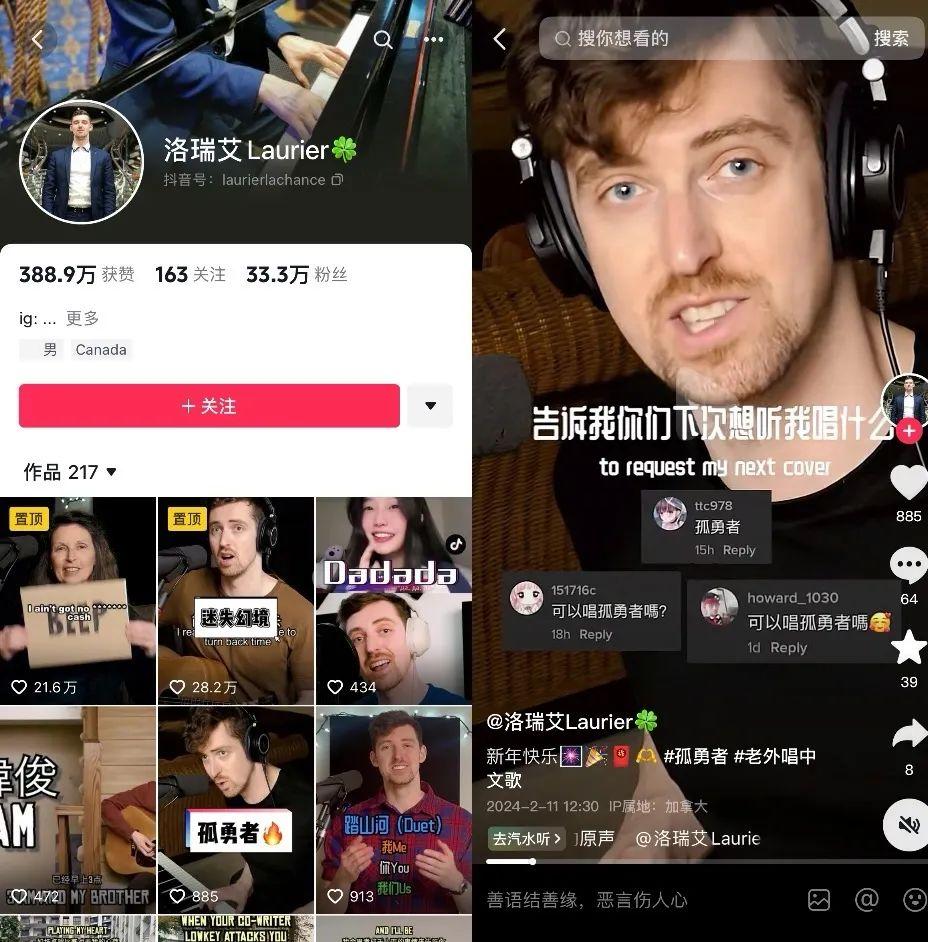
Content format mismatch: A creator who produces rapid-fire comedy sketches may struggle to deliver the educational or review-style content that converts for complex or higher-priced products. Match content format to your sales funnel.
From Discovery to Outreach: Closing the Loop
The discovery phase means nothing if your outreach falls flat. Most brands that successfully identify promising TikTok creators never convert them into affiliates. They find them, get excited, send a generic DM, and never hear back. Your first message determines whether a qualified creator becomes a long-term partner or a missed opportunity.
A Template That Actually Works
TikTok creators receive partnership inquiries constantly. They can spot a mass-DM template within two seconds. Your message needs to be specific, concise, and creator-focused. Include four elements:
- A personalization hook referencing a specific video or content theme
- A clear value proposition that explains what they gain, not just what you want
- A brief credibility signal about your brand’s traction or existing affiliate performance
- A specific, low-friction ask that doesn’t demand everything upfront
“Hey [Name], I noticed your recent video on [specific topic]—the angle you used was [specific observation]. We’re a [product category] brand looking for creators who understand [audience problem]. We offer [commission structure or product access], and I’m wondering if you’d be open to trying our product and sharing your honest take. No pressure if it’s not a fit, but I’d love to share more details if you’re interested.”
The Follow-Up Strategy Most Brands Skip
If you don’t follow up within five to seven days, you’re leaving conversions on the table. Busy creators often intend to respond but get buried in messages. A single polite follow-up meaningfully increases response rates. Structure your follow-up as an addition, not a repetition: offer new information such as a limited-time commission increase, or reference a specific piece of content they recently posted that reinforces the partnership fit.
Frequently Asked Questions
How long does it take to build a TikTok affiliate program from scratch?
Most brands need 4 to 8 weeks to identify, vet, and onboard their first 10 to 15 qualified affiliates. The discovery phase typically takes 2 to 3 weeks if using multiple channels simultaneously. Onboarding and campaign setup add another 2 to 3 weeks.
Can I search for TikTok affiliates without using paid tools?
Yes. TikTok’s Creator Marketplace is free to access. Community-led discovery through Facebook Groups, Discord, and Reddit is also cost-free. Paid discovery tools can accelerate the process but aren’t required to build an initial roster.
How many TikTok affiliates should a small DTC brand aim for initially?
Start with 10 to 15 qualified affiliates rather than a large volume of unqualified ones. A smaller group of creators with genuine audience alignment and consistent engagement will generate more revenue than dozens of partners who signed up but never promoted your product.
What’s the difference between TikTok’s Creator Marketplace and Affiliate Hub?
The Creator Marketplace is a discovery tool available to brands before launching a program—it lets you search and filter creators by demographics, engagement, and category. The Affiliate Hub is a partnership management portal accessible after your program is live, where you can connect with creators already interested in joining affiliate programs on TikTok.
Next Steps
Building a TikTok affiliate program isn’t a set-and-forget activity. It requires ongoing discovery, consistent vetting, and active relationship management. Start with the Creator Marketplace to build your initial pipeline, then layer in competitor research and community-led discovery to expand your reach. Apply the qualification checklist before every outreach to protect your program’s conversion rates.
When you identify a promising creator, move quickly—TikTok’s creator ecosystem moves fast, and a creator you found today may receive a competing offer tomorrow. Your goal is to build a repeatable system for sourcing qualified affiliates, not to find a single batch and stop.