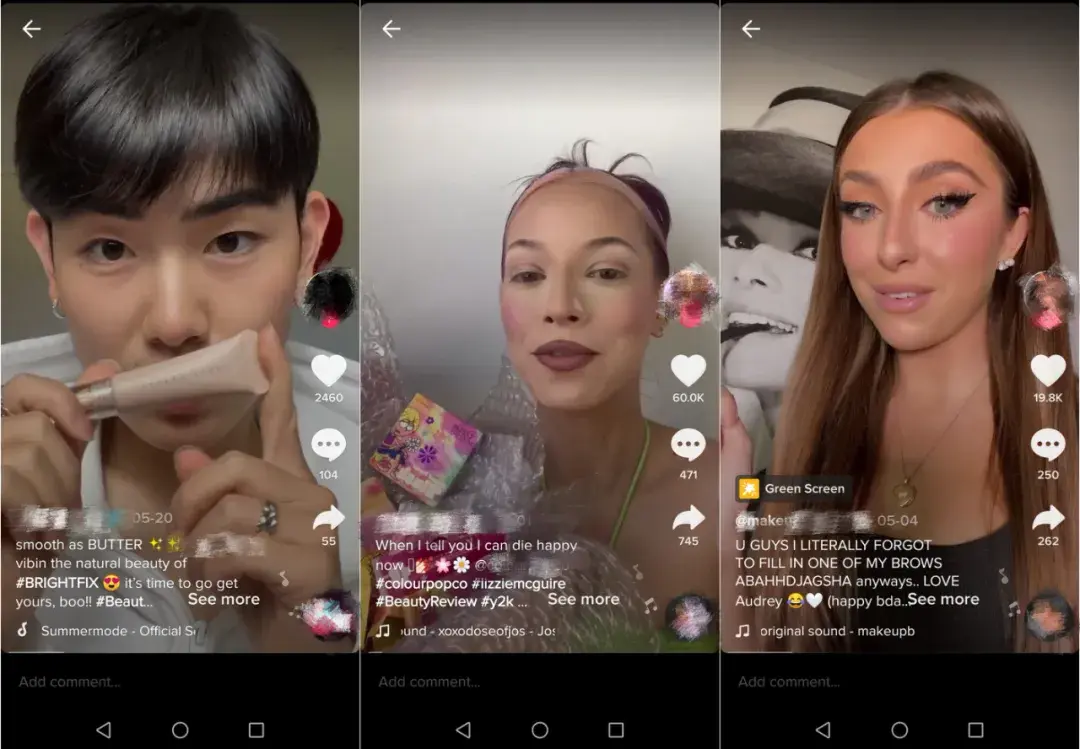
The first time you run a TikTok affiliate search, you’ll likely hit a wall. You’ll pull up creator lists, check follower counts, and send partnership pitches to profiles that look promising. Weeks later, you’ll have a handful of ghosted messages, a few creators who agreed to post once and vanished, and no measurable lift in conversions.
This is the common failure pattern—and it’s not because TikTok creators are harder to reach. It’s because most affiliate managers apply discovery logic from Instagram or YouTube onto a platform that doesn’t work the same way. TikTok’s creator ecosystem rewards specificity over scale. Finding the right partners requires a structured approach that maps discovery methods to your program’s actual needs.
Why Standard Discovery Fails on TikTok
Most affiliate programs start with the same playbook: bulk outreach, follower-based shortlists, and platform-provided creator directories. These tactics produce results on channels where audience behavior is more predictable. On TikTok, they consistently generate thin outcomes—a roster of creators who look good on paper but deliver weak conversion, inconsistent content, or brand misalignment mid-campaign.
The core issue is that TikTok’s algorithm rewards niche expertise. Creators who build loyal audiences do so by operating in defined subject matter areas. A creator who produces sharp product comparison content for tech accessories may have zero overlap with your home goods catalog, even if both fall within the same follower range. Treating them as interchangeable candidates wastes outreach resources and damages your program’s reputation among creators who receive poorly targeted invitations.
What Affiliate Program Managers Actually Need
Beyond finding creators, program managers need a repeatable way to assess alignment before outreach. This means evaluating audience demographics against product buyer personas, checking whether a creator’s existing content tone matches your brand voice, and estimating whether their engagement patterns indicate genuine influence or inflated metrics. These judgment calls require structured criteria, not just platform filters.
Building that criteria into your discovery workflow is what separates programs that grow stable, productive affiliate relationships from programs that churn through one-time collaborators.
Discovery Channel 1: TikTok’s Native Search and Discovery Tools
Before investing in third-party platforms or launching outreach campaigns, affiliate program managers should understand what TikTok’s built-in discovery system actually offers—and where it genuinely falls short. Native tools require no budget commitment and zero vendor relationships. The question is not whether to use them, but how to use them without mistaking convenience for strategy.
Leveraging Hashtag and Trend Analysis
Hashtag research on TikTok operates differently than on platforms with mature keyword ecosystems. The signal worth tracking is not search volume but content consistency within a niche tag. When creators repeatedly post under a specific hashtag, that pattern indicates sustained topical investment rather than a single viral hit.
Cross-reference hashtags against product category terms relevant to your program to build a discovery map that reflects actual creator behavior. Trend analysis requires distinguishing between broad cultural moments and niche-specific cycles. A beauty brand discovering creators through a viral dance trend will surface performers, not buyers. The same brand looking at category-specific tags like product comparison or honest review formats will find creators who have already built content patterns around purchase-oriented content.
That distinction determines whether discovery leads to partners who can actually move your audience.
When Native Tools Fall Short
The primary limitation is structural: TikTok’s native tools are designed for content consumption, not creator pipeline building. Verification gaps are significant—you cannot confirm audience demographics, historical partnership activity, or content quality signals without leaving the platform.
Scalability is the second constraint. Manual hashtag monitoring across multiple niche segments quickly becomes a full-time research function, and the time cost rarely justifies the output for programs seeking more than a handful of initial contacts.
The practical use case for native discovery is narrower: initial niche mapping, trend timing for outreach sequencing, and validating creator activity before committing to deeper research through other channels.
Discovery Channel 2: Third-Party Influencer and Creator Databases
When affiliate program managers need to move beyond TikTok’s native tools and build a systematic creator pipeline, third-party influencer databases become the obvious next step. These platforms aggregate creator profiles, audience demographics, and performance metrics into searchable catalogs—offering scale that manual discovery cannot match. However, these tools excel at quantity and speed while often trading away the nuance that determines whether a TikTok creator will convert for your specific program.
Key Evaluation Criteria for Creator Platforms
Not all creator databases are built for affiliate purposes. Most were designed with brand sponsorship in mind, where reach and impressions drive value. For affiliate programs, evaluate platforms against criteria that matter to conversion performance, not just audience size.
Data freshness is the first filter. Creator audiences shift quickly on TikTok, and a profile that looked relevant six months ago may now attract an entirely different demographic. Ask whether the platform pulls live or near-live data, or relies on periodic crawls that could be weeks or months old.
Audience alignment verification matters more than follower counts. The database may show that a creator’s audience skews toward your target demographic, but you need to assess whether that audience engages with affiliate content or commercial recommendations. Some platforms now include engagement rate breakdowns by content category—this is worth paying for if it exists.
Filtering capabilities determine whether you can build a qualified shortlist without exporting raw data and doing manual work. Look for platforms that let you filter by niche tags, content themes, audience geography, and historical affiliate-relevant behavior patterns.
Common Pitfalls When Relying on External Databases
The biggest mistake affiliate managers make with third-party databases is treating the shortlist as a final list. These platforms are discovery tools, not vetting solutions. A creator profile in a database tells you what the creator has done, not whether they’ll respond to outreach, accept your commission structure, or produce content that respects your brand guidelines.
Verification gaps create risk. Databases cannot confirm whether a creator has active affiliate relationships with competing programs, whether they’ve had previous partnerships that ended badly, or whether their engagement is genuine versus inflated. This information only surfaces through direct outreach and conversation.
Niche categories are often underserved. If your affiliate program serves a specialized vertical, the database may have shallow coverage or mislabeled creators. The effort to manually identify and verify creators in these segments often exceeds the effort saved by using the database in the first place.
Use third-party databases to generate candidate volume and initial audience alignment signals, but never to replace the qualification step. Your next phase—reaching out, assessing fit, negotiating terms—happens outside the platform.
Discovery Channel 3: Community and Industry Network Outreach
The first two discovery channels share a fundamental limitation: they surface creators who already appear in algorithmic feeds or platform indexes. What they miss are the high-intent creators who haven’t yet built visible presence but already understand affiliate mechanics. This is where relationship-based discovery fills the gap.
Where to Find High-Intent TikTok Creators
Industry groups and professional communities consistently surface creators who think like partners rather than performers. Look in three primary zones: affiliate marketing associations and their regional chapters, niche creator Discord servers or Slack communities organized around specific product categories, and B2B forums where affiliate program managers discuss recruiting challenges. These spaces attract creators who are actively researching commission structures, cookie durations, and brand partnership frameworks—signals that indicate affiliate intent beyond casual content creation.
Creator collaboration spaces also merit attention. Some TikTok creators maintain presences in group communities focused on content strategy, audience growth, or monetization methods. Monitoring these spaces reveals creators who are already optimization-minded, which correlates with affiliate performance behavior.
The Cost-Benefit of Relationship-First Discovery
Relationship-first discovery demands more upfront time per partner than database filtering. You’re investing in verification, conversational assessment, and sometimes extended courtship before discussing partnership terms. The return is harder to quantify but observable: creators discovered through professional networks typically show stronger retention curves and lower churn during initial campaign periods.
The practical boundary here is program maturity. Early-stage programs with aggressive recruitment targets often cannot justify the time-per-partner economics of community outreach. This channel works best when you have capacity for selective, high-quality partnerships rather than volume-driven growth. If your current bottleneck is velocity rather than partner quality, deprioritize this channel until your program stabilizes.

Choosing the Right Discovery Channel for Your Program
Each discovery method carries distinct tradeoffs. Native tools offer zero cost and immediate access but limited verification and scalability. Third-party databases provide speed and volume but require investment and introduce data accuracy risks. Community outreach surfaces high-intent partners but demands more time per relationship.
Match your discovery approach to your program’s current priorities:
- Early-stage programs building initial creator pipelines should start with native tools for niche mapping, then layer in third-party databases when they need to scale candidate volume.
- Established programs looking to improve partner quality should invest more heavily in community outreach and relationship-based discovery, even at the cost of slower velocity.
- Programs in specialized verticals should verify third-party database coverage for their niche before relying on it as a primary channel.
No single discovery channel covers the full pipeline. Most programs benefit from combining all three—using native tools for trend timing, databases for volume, and community outreach for high-value partnerships.
Frequently Asked Questions
Can I build a full TikTok affiliate pipeline using only TikTok’s native search tools?
Native tools work for initial niche mapping and trend validation, but they lack the verification data and scalability most affiliate programs need. Use them as a starting point, not a primary channel.
How do I verify audience quality from third-party creator databases?
Cross-reference database profiles with direct content review. Check whether the creator’s existing posts show engagement patterns consistent with your product category. Look for audience comments and shares that indicate purchase intent rather than passive viewership.
When should I prioritize community outreach over database discovery?
Community outreach makes sense when your program has capacity for selective recruiting and you need partners with demonstrated affiliate intent. If you’re filling a large volume of partnership slots quickly, database-based discovery will be more efficient.
What should I do after discovering potential TikTok affiliates?
Discovery is the first step. Before outreach, assess each creator’s audience alignment with your buyer personas, review their content history for brand fit, and verify that they have the engagement patterns that indicate genuine influence rather than inflated metrics.
Key Takeaways
Finding the right TikTok affiliate partners requires more than follower counts and platform filters. The methods to discover TikTok affiliate partners fall into three distinct channels—native tools, third-party databases, and community outreach—each with specific strengths and limitations.
Native discovery tools provide zero-cost access to niche mapping and trend analysis but lack verification data and scalability. Third-party databases offer speed and candidate volume but require investment and introduce data accuracy risks. Community and network outreach surfaces high-intent creators with demonstrated affiliate potential but demands more time per partnership.
The most effective programs combine all three channels, using each for the phase where it delivers the most value. Start with native tools for initial research, scale with databases when you need volume, and invest in community relationships for partners who will drive sustained performance.
If your affiliate program is ready to move beyond generic outreach and build a creator pipeline built on actual alignment, the next step is to establish the qualification criteria that will guide your outreach decisions.