$10,000 Branded Video: 2,000 Views. $0 Unboxing Video: 500,000 Views.
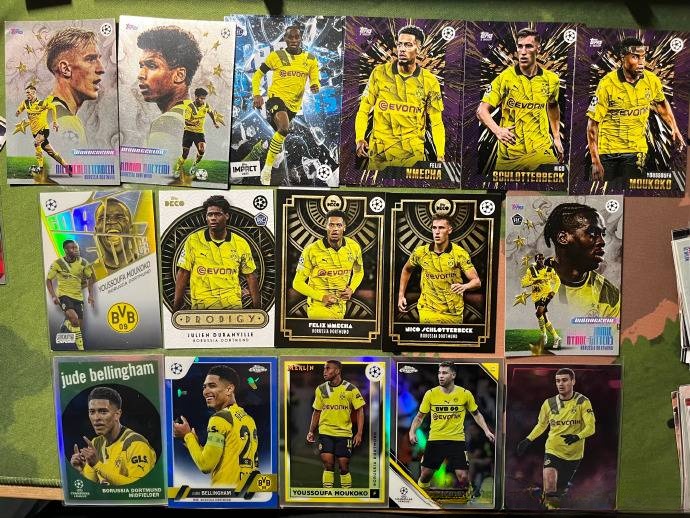
A beauty brand spent **$10,000** producing three polished product videos — professional lighting, scripted narration, studio-grade editing. Total views across all three: **2,000**. Zero comments. Eight shares. Three sales. Meanwhile, a nano creator with 800 followers filmed an **unboxing video** on her bedroom floor using her phone. No script. No lighting kit. No post-production. That single video hit **500,000 views** and drove **200 direct sales** through the TikTok Shop link. The brand’s marketing director stared at the dashboard for ten minutes before deleting the campaign report. This isn’t an outlier. On TikTok, **UGC outperforms branded content by 3-10x** in engagement, conversion, and cost efficiency. Yet most sellers still default to polished brand videos because they feel “professional.” The data says otherwise. Let’s reverse-engineer why.
Why TikTok’s Algorithm Actively Penalizes “Ad-Looking” Content
TikTok’s recommendation engine doesn’t evaluate production quality. It evaluates **viewer retention curves**. Every video gets a micro-test: the algorithm pushes it to a small audience, measures watch time and re-watches, then decides whether to amplify it further. **Branded content** typically shows a retention pattern that signals “this is an ad” — viewers drop off within the first 2 seconds because the opening feels scripted or commercial. The algorithm reads that drop-off as low-quality content and stops distributing it. **UGC videos** tend to hook viewers in the first second because they start with genuine reactions: surprise, excitement, confusion. The retention curve stays flat or even rises. That pattern triggers wider distribution. TikTok’s system is designed to surface content that **feels native to the platform**, not content that looks like it belongs on a brand website. The algorithm doesn’t care about your lighting setup. It cares about whether real people keep watching.
What Makes UGC Different
**UGC** isn’t just “content made by creators.” It’s content that carries **creator voice, creator personality, and creator perspective**. The defining traits: shot on a phone in a real environment, unscripted reactions, the creator’s natural speaking style, and a sense that this person **actually uses the product** rather than being paid to say nice things. When a creator holds your product and their eyes widen because the texture surprised them — that reaction can’t be scripted. When they fumble with the packaging and laugh at themselves — that authenticity triggers trust. **Branded content** removes all of that. It replaces real reactions with polished messaging. It replaces a creator’s bedroom backdrop with a studio. It replaces the creator’s voice with a brand voice. On TikTok, every one of those replacements costs you distribution.
The 3 Types of UGC That Actually Convert
Not all UGC performs equally. Three formats consistently drive **direct sales** on TikTok Shop. **First, the unboxing first impression.** The creator opens the product for the first time and reacts in real time. This format works because curiosity drives watch time — viewers want to see what’s inside. The genuine surprise element creates an emotional hook that branded unboxing videos can never replicate. **Second, the product demo tutorial.** A creator shows how they actually use the product in their daily routine. This format converts because viewers can visualize themselves doing the same thing. The key is authenticity — the creator should show their real process, not a sanitized version. **Third, the before/after comparison.** A creator shows their starting point and the result after using the product. It converts because it provides visual proof. The catch: it must be genuine. Exaggerated results get flagged and damage credibility. If you want to find creators who produce authentic product content, Dami’s 1000万+ creator short video material library lets you browse actual creator videos before reaching out — you see what kind of content each creator makes, not just their follower count. Find authentic UGC creators.
When Branded Content Still Wins
UGC isn’t always the answer. **Branded content** has specific moments where it outperforms. **Product launches** benefit from branded videos because you need controlled messaging when introducing something new — the story, the positioning, the key features all need to be precise. **Brand storytelling** works better as branded content because it requires narrative structure that most creators can’t deliver on their own. And **Spark Ads amplification** works best when you take a proven UGC video and run it as a paid ad — the original UGC retains its authenticity while branded production resources push it to a wider audience. The mistake isn’t making branded content. The mistake is making **only branded content** and expecting it to perform like UGC on a platform that rewards authenticity over polish.
The Hybrid Strategy: UGC for Discovery, Branded for Scale
The most effective TikTok Shop sellers run a **hybrid content strategy**. Step one: use UGC to **test what resonates**. Send your product to 20-30 creators, let them produce content in their own style, and watch which videos get traction. The data tells you what hooks work, what messaging connects, and what product angles drive clicks. Step two: take the **proven concepts** from high-performing UGC and produce branded versions with higher production value. Those branded videos then get pushed through **Spark Ads** with precise targeting. UGC serves as your **discovery engine** — it finds what works at low cost. Branded content serves as your **scaling engine** — it amplifies proven concepts with paid distribution. This approach cuts wasted production spend because you never invest in branded videos until UGC has already validated the concept.
How to Brief Creators for UGC That Doesn’t Look Scripted
The biggest mistake sellers make with UGC is **over-briefing**. You send a creator a 12-point script with exact phrases, required angles, and mandatory callouts. The result: a video that looks like a spokesperson reading a press release. The solution is the **anti-brief**. Give creators three things: the product, one core message you want conveyed, and **freedom to deliver it their way**. Instead of “say X, then show Y, then end with Z,” try: “We’d love for you to try this product and share your honest reaction. The one thing we’d like viewers to know: it solves [specific problem]. Everything else is up to you.” Creators who feel trusted produce better content. Creators who feel micromanaged produce videos that look like ads. The best UGC briefs are **short, open-ended, and genuinely allow for negative feedback** — because a creator who says “the packaging was annoying but the product itself is incredible” builds more trust than one who says everything is perfect.
Building a UGC Content Pipeline
A single UGC video isn’t a strategy. You need a **recurring content pipeline** that consistently feeds authentic product content into TikTok Shop. The framework: activate **15-30 creators per month**, each producing 1-3 videos. Rotate creators every cycle — repeating the same creators exhausts their audience and content gets stale. Mix the three conversion formats: roughly 40% unboxing, 30% demo tutorials, 30% before/after. **Posting frequency**: aim for 3-5 UGC videos per week. Measurement matters — track **view-to-click rate** and **click-to-purchase rate** for each video format and each creator. After 2-3 cycles, you’ll see clear patterns: certain creator types consistently convert, certain formats outperform for your product category, and certain messaging angles resonate. Scale what works and cut what doesn’t. Managing this pipeline manually is unsustainable. Dami’s **800万+ creator database with contact info** lets you filter creators by niche and engagement rate, then use **RPA batch outreach** to contact hundreds simultaneously — reaching 10,000+ creators daily instead of copying and pasting DMs one at a time.
If you’re struggling with finding authentic product content that actually converts on TikTok, instead of spending thousands on branded videos that the algorithm ignores, use Dami to find creators who produce authentic product content through its creator video material library and RPA batch outreach. Build your UGC pipeline — identify suitable creator styles and reach them without burning your budget on content nobody watches.
FAQ
Can branded content ever outperform UGC on TikTok?
Yes, in specific scenarios. Branded content outperforms during controlled product launches where messaging precision matters, in brand storytelling that requires narrative structure, and when used as Spark Ads to amplify already-proven UGC concepts. The key is using branded content as a scaling tool, not a discovery tool.
How do I make sure creators’ UGC actually looks authentic and not scripted?
Use the anti-brief approach. Give creators the product and one core message, then let them deliver it in their own style. Avoid detailed scripts, mandatory phrases, or required camera angles. The more freedom you give, the more authentic the content — and authentic content gets distributed by TikTok’s algorithm.
How do I find creators who consistently produce high-converting UGC?
Don’t just look at follower counts. Browse creators’ actual video content to see their style, authenticity level, and production quality before reaching out. Dami’s **1000万+ creator short video material library** lets you preview real creator videos and identify those whose content style matches your product — then reach out through the **800万+ creator database with contact info** to build partnerships with creators who consistently deliver.