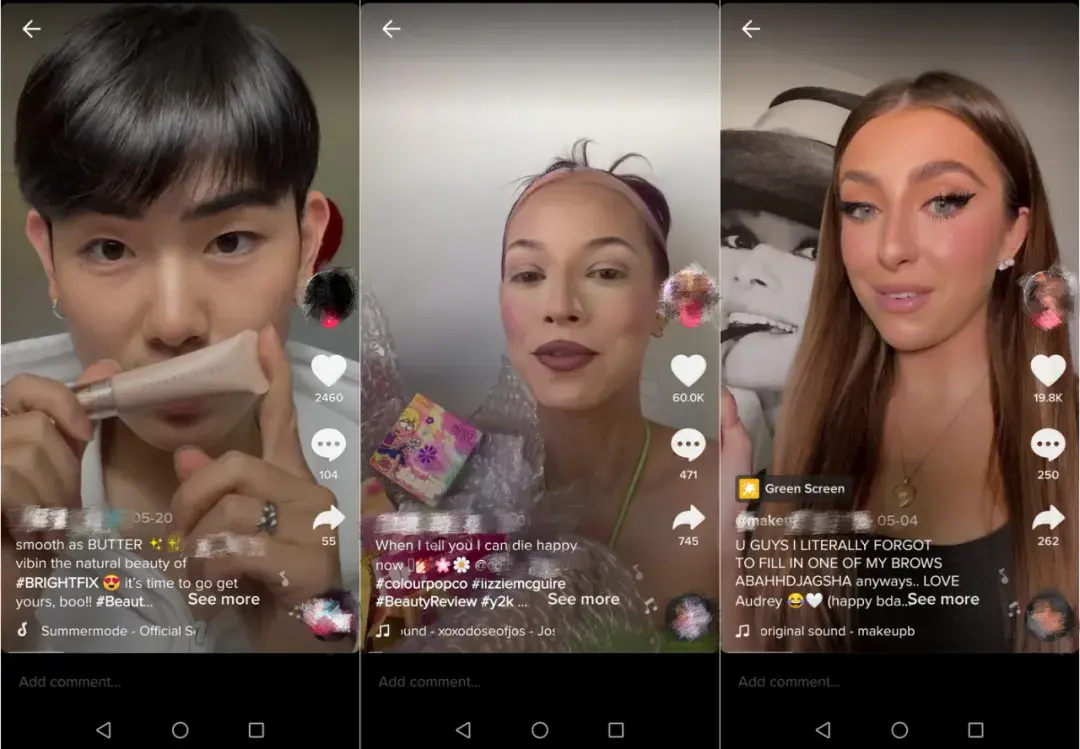
The DM arrives at 9 AM: “Hey, we think you’d be perfect for a brand partnership.” By 9:15, it’s marked unread. This is the reality for most creator outreach in the pet niche—brands sending templated pitches into a void, wondering why no one responds.
The problem isn’t that pet creators don’t want to collaborate. The problem is that most outreach treats creators as ad placements rather than community builders. Pet audiences on TikTok have developed strong trust relationships with creators they follow. When a brand reaches out with a generic offer, creators know immediately—and they move on.
For pet brands that get this right, TikTok creator outreach becomes a repeatable growth engine. For everyone else, it becomes a line item on a budget spreadsheet that never justifies itself.
Why Pet Brands Can’t Afford to Skip TikTok Creator Outreach in 2024
Pet content on TikTok isn’t a trend—it’s a durable behavior pattern that separates casual viewers from buyers. Pet owners come to the platform looking for training advice, product comparisons, and honest reviews from people who share their lifestyle. Unlike beauty or fashion content where aspirational positioning dominates, pet content rewards authenticity. That distinction matters for how your brand should approach creator partnerships.
The platform dynamics support this. TikTok’s algorithm distributes content based on engagement signals, not follower counts. A dog trainer with 40,000 followers who consistently generates comments, shares, and saves can outrank mega-influencers with millions of followers and lower engagement. For pet brands, this means the audience you need is accessible through creators who have already earned trust in specific niches—not just volume.
Brands that recognize this are building creator relationships now, while the pet niche remains less saturated than beauty or tech. The ones still treating TikTok as a Gen Z beauty platform are allocating budgets to channels where their actual customers are increasingly hard to reach.
The Misjudgment That Costs Pet Brands the Most
Many pet product companies operate under an assumption: TikTok is for younger audiences interested in trends, and their core customers are elsewhere. This assumption leads to influencer budgets concentrated on Instagram, where historical performance data feels safer.
The cost shows up in the gap between where customers discover products and where brands show up. Pet owners discovering your product through a TikTok creator are encountering social proof that no sponsored post can replicate. When that discovery moment happens and your brand has no presence in that creator’s content library, the opportunity passes to a competitor.
The fix isn’t abandoning Instagram. It’s recognizing that TikTok serves a distinct discovery function in the pet purchasing journey—one that rewards brands willing to meet audiences on the platform’s terms.
How to Map Pet Influencers Using Engagement Metrics, Not Just Follower Counts
The most common mistake in creator selection is filtering by follower count alone. A creator with 500,000 followers and 0.5% engagement produces worse results than a creator with 50,000 followers and 4% engagement. The math is straightforward: engagement signals community density, and community density is what makes creator content convert.
The Engagement Threshold That Separates Real Influence from Vanity Metrics
For pet niche creators, an engagement rate above 3% is a meaningful indicator of an active, trusting audience. Below 1%, even with substantial follower numbers, the account typically lacks the community density that makes sponsored content feel natural rather than intrusive.
The engagement profile varies by pet category. Dog content creators generally see higher engagement rates because dog owners are an emotionally expressive audience—they comment, tag friends, share videos, and actively discuss products in the replies. Cat creators often show slightly lower engagement rates but compensate with higher save rates. When cat owners bookmark a video about litter boxes or cat food, they’re signaling purchase intent, not just appreciation.
Understanding these differences shapes your creator selection. If you’re selling a premium dog product, prioritize creators with high comment-to-follower ratios. If you’re selling cat-related products, track save rates alongside standard engagement metrics.
Niche Depth Versus Broad Reach: Making the Tradeoff Decision
Before building your outreach list, clarify your campaign objective. This decision drives everything else.
Micro-influencers in specific pet segments—senior dog care, raw feeding communities, exotic bird ownership—deliver disproportionate influence within their communities. Their recommendations carry weight precisely because they speak to a focused audience that shares specific concerns and interests. Macro creators give you reach across segments but dilute your message across audiences that may not match your product category.
The tradeoff is ultimately a budget and timeline question. Niche depth requires more creator relationships to reach equivalent reach numbers, which means more outreach work and more ongoing relationship management. Broad reach requires fewer relationships but demands higher production quality from your brand assets and typically commands premium pricing.
A workable structure for most pet brands in 2024 combines both approaches: three to five macro or mid-tier creators as campaign anchors, supported by twelve to twenty micro-influencers in specific niches your product serves. This tiered structure provides credibility signals from recognized names while building authentic word-of-mouth density in the communities most likely to convert.
Building an Outreach Pitch Deck That Gets Creator Responses
Getting a creator to open your message is only half the battle. The real test is whether your pitch convinces them you’re worth responding to. For pet brands, this means shifting from “what can this creator do for us” to “why should their audience—and they—care about what we’re offering.”
The Three Elements Every Pet Creator Pitch Must Include
The first element is value clarity. Don’t just tell a creator you have a product. Explain exactly why their specific audience would find it relevant. If you’re approaching a cat nutrition influencer, reference their content style and describe the specific product benefit that aligns with what their community discusses. Vague offers get ignored; specific relevance gets read.
The second element is collaboration flexibility. Pet creators receive a high volume of fixed-price, fixed-deliverable requests. Frame your outreach around open terms where possible—mention you’re open to discussing content format, posting windows, and creative direction. This signals you’re a brand worth building a relationship with rather than a one-off transaction.
The third element is authentic brand alignment demonstration. This means showing you’ve watched their content, not just scanned their follower count. Reference a specific video, explain how your product solves a problem they frequently discuss, or acknowledge a recent trend they participated in. This level of preparation separates serious outreach from mass spam.
What Immediately Turns Pet Creators Off
The fastest rejection trigger is a pitch that clearly started as a template. When creators see their name inserted into a generic message about “exciting collaboration opportunities,” they know exactly what arrived in their inbox. This damages your brand reputation before you’ve had a chance to make a first impression.
Equally damaging is reaching out to creators whose content has nothing to do with your product category. Approaching a reptile care influencer about your dog supplement line wastes everyone’s time and signals poor targeting on your end.
The practical fix is straightforward: before sending any pitch, spend time genuinely engaging with the creator’s recent content. Leave thoughtful comments, share videos where appropriate, and build awareness before you ask for anything. This isn’t just good manners—it’s operational intelligence that makes your outreach genuinely differentiated in a crowded inbox.
Your Pet Brand Creator Outreach Checklist: From Brief to First Collaboration
The gap between a solid creator strategy and a chaotic one usually shows up after the pitches go out—when you’re managing three responses, two no-replies, and a sample shipment that hasn’t arrived. Most pet brand TikTok creator outreach plans fall apart not because the strategy was wrong, but because the operational checklist wasn’t complete.
Pre-Outreach Checklist: Setting Your Campaign Up for Success
Before you send a single message, three things need to be locked down. First, campaign goal alignment: are you optimizing for product awareness, TikTok Shop conversions, or UGC content library building? These require different creator briefs and different metrics. Second, product-sample readiness: if you’re promising product seeding, your fulfillment process needs to handle individual shipments reliably. Brands that send samples in bulk envelopes or forget to include usage instructions damage credibility fast. Third, legal and compliance basics: confirm your approval workflows for creator content, especially in categories like pet nutrition or supplements where health claims are regulated. Without a clear content approval process, you risk either over-controlling creators—killing the authenticity that makes TikTok work—or releasing content that violates platform or legal standards.
Post-Outreach Execution: Managing Creator Relationships at Scale
After outreach begins, the operational load shifts to response timing and relationship management. Set clear internal response time expectations—creators move quickly, and a delayed reply can mean losing them to a competitor. When you get responses, contract and deliverable management becomes critical: specify content format, posting windows, and usage rights in writing before work begins. This protects both parties. Finally, establish a content approval workflow that balances brand safety with creator autonomy. Review drafts for compliance issues only, not creative preferences that don’t violate your guidelines. The best pet content feels organic, not brand-edited into stiffness.
Pet brands that approach TikTok creator outreach as a relationship-building exercise—rather than an ad placement transaction—consistently outperform those that treat it as a numbers game. The creators who resonate most with pet audiences have earned that position by being genuine. Your outreach should reflect the same standard.