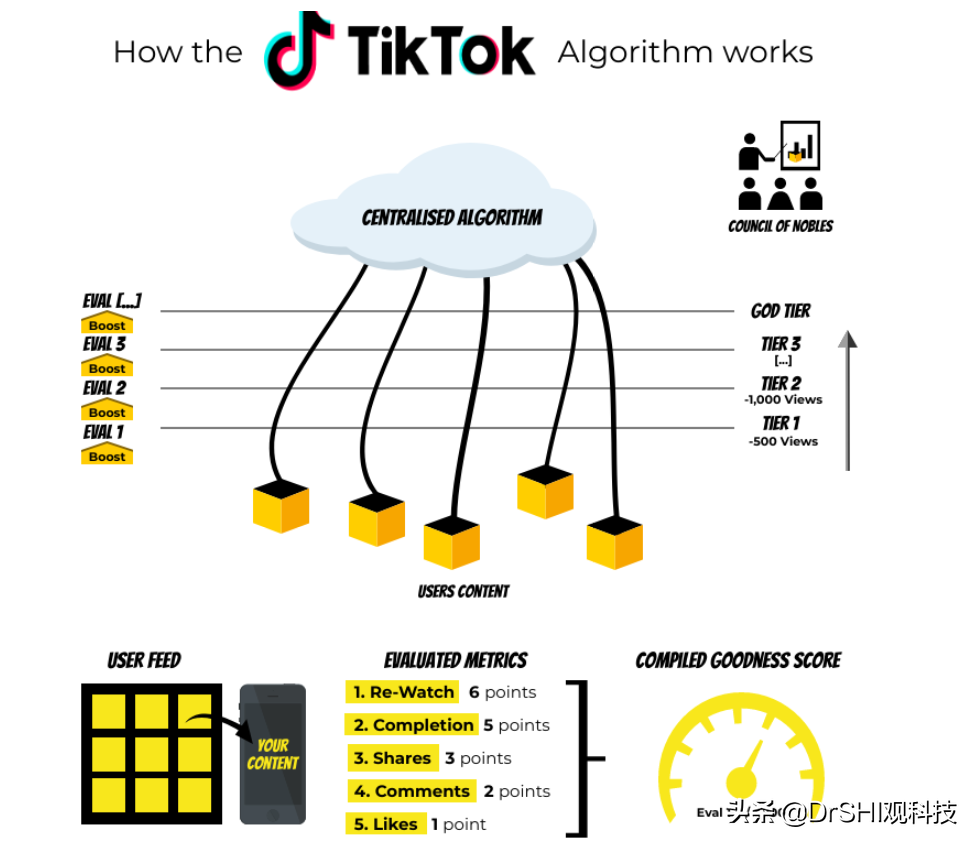
The assumption that TikTok Shop affiliate programs are a set-it-and-forget-it revenue channel collapses the moment you try to manage your first dozen creators at scale. Brands discover this the hard way when commissions go out on untracked conversions, top performers ghost after month two, and the affiliate dashboard shows volume with no corresponding lift in attributed revenue. Managing TikTok Shop affiliates step-by-step requires treating the program as an operational function—not a launching campaign—with infrastructure that exists before you recruit, workflows that sustain performance after onboarding, and review cycles that catch decline before it compounds.
Why TikTok Shop Affiliate Management Is Harder Than It Looks
Affiliate tracking on TikTok Shop differs from standard product listing management. You are coordinating commission rules, unique tracking identifiers, attribution windows, and creator compliance checks across the platform’s native tools. Every affiliate link must be properly attributed, every conversion event recorded, and every payout calculated against terms you have explicitly configured.
The operational risk is concrete: when tracking breaks down, you pay commissions on sales you cannot verify, dispute resolution becomes impossible without clean data, and your program budget bleeds through gaps you did not know existed. Brands that skip the attribution infrastructure phase before recruiting their first affiliate routinely discover these gaps after the damage is done.
Three misjudgments derail most affiliate programs before they gain momentum. First, assuming platform attribution alone is sufficient—TikTok Shop provides baseline tracking, but it does not replace the need for your own conversion verification, especially during multi-creator campaigns or promotional periods. Second, treating affiliate recruitment as a one-time event—high-performing programs treat recruitment as an ongoing operational function, not a launch task. Affiliates who convert in month one may stop performing in month three without active management, content support, or relationship maintenance. Third, neglecting communication cadence—affiliates who feel abandoned or uninformed redirect their promotional energy toward competitors or simply go quiet.
Phase 1: Set Up Attribution Infrastructure Before You Recruit
Most brand owners want to jump straight into recruiting creators. That is a mistake. Without solid attribution infrastructure in place first, you are building a sales channel on quicksand. When tracking breaks down—and it will, at the worst possible moment—you will have no visibility into what is actually working and no baseline to prove ROI to stakeholders or optimize where to invest your commission budget.
Configure TikTok Shop Native Affiliate Tracking
Start in the TikTok Shop Seller Center under the Affiliate Program section. You need to configure your commission tiers before any creator can generate links. Most brands set a base tier between 5% and 15%, with performance bonuses for reaching conversion thresholds. Keep the structure simple: too many tiers create confusion for both you and your affiliates.
Unique affiliate link generation happens automatically once a creator joins your program. These links contain UTM parameters and creator identifiers that TikTok’s system uses to track the attribution window. The critical setting is the attribution window—TikTok Shop offers 7-day and 30-day options. A 7-day window reduces commission costs but may miss conversions that require longer consideration cycles. A 30-day window captures more revenue but increases your payout exposure. For most consumer goods categories, 7 days is standard, but high-ticket items often justify the longer window.
Establish Baseline Performance Metrics
Before launching, define what success looks like. At minimum, track conversion rate per affiliate, average order value by creator, click-through rate on affiliate links, and commission cost as a percentage of attributed revenue. These numbers become your benchmark for every future decision about commission adjustments, affiliate retention, and program scaling.
Pull your TikTok Shop analytics from the past 90 days and calculate your baseline conversion rate by traffic source. This becomes the yardstick against which affiliate performance gets measured. Your own historical data is essential for setting realistic targets—industry benchmarks vary too widely across categories to serve as reliable planning anchors.
Phase 1 Checklist: Before You Add Your First Affiliate
- Verify that your tracking pixel is installed correctly on your storefront
- Confirm that all commission rules are saved and not in draft status
- Run an internal end-to-end test: generate an affiliate link, complete a test purchase, and confirm the attribution appears in your analytics within 24 hours
- If the test fails, troubleshoot the pixel or link configuration before exposing the program to external partners
Phase 2: Recruit and Vet Affiliates Without Wasting Time
Recruiting the wrong affiliates does more than waste your time—it creates operational debt that compounds as you scale. Every underperforming partner consumes management bandwidth, dilutes your brand signal in the algorithm, and requires the same onboarding effort as a high performer. The cost of a bad hire extends beyond the commission you pay; it is the opportunity cost of resources spent on someone who will not move the needle.
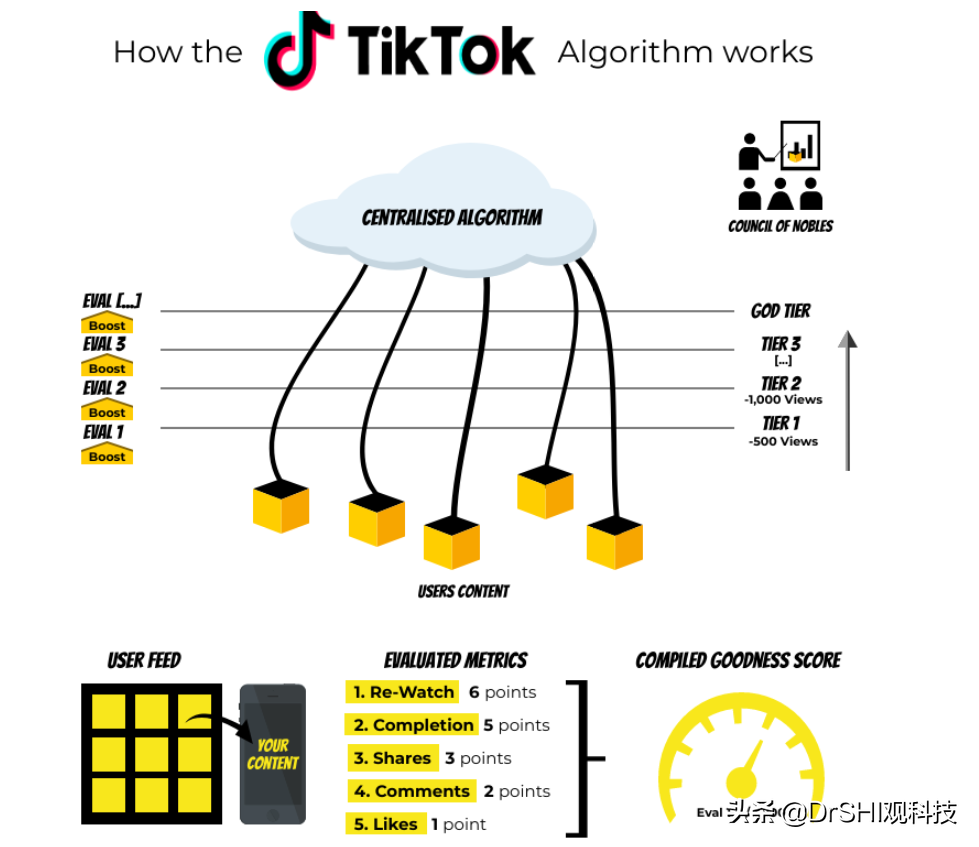
Where to Find Affiliates Who Actually Convert
Start with creators who have already demonstrated purchase intent in your category, not just broad engagement. TikTok’s Creator Marketplace provides filtering by category, audience demographics, and past collaboration performance. Beyond platform tools, monitor comment sections of similar brands and products—creators who are already discussing your category authentically are stronger candidates than cold outreach to influencers with irrelevant content.
Micro-creators in the 10,000 to 50,000 follower range frequently outperform macro-influencers on conversion metrics because their audiences exhibit higher trust and engagement density. Their communities are tight-knit enough that product recommendations feel personal rather than transactional.
The Vetting Process That Separates High Performers from Vanity Followers
Run a structured evaluation before extending any partnership. Assess three dimensions: content quality, audience relevance, and historical conversion signals.
For content quality, watch three to five recent videos without looking at follower count. Judge whether the creator produces original material, demonstrates genuine product knowledge, or simply repurposes trending audio with disconnected captions. Authentic product integration predicts performance better than production polish.
For audience relevance, request demographic data through the Creator Marketplace or ask directly. If you sell athletic wear, a creator whose audience skews toward fitness enthusiasts will outperform one with larger numbers but scattered interests—even if that larger creator occasionally mentions health topics.
For conversion signals, ask for screenshots of past affiliate performance, even from other programs. Be skeptical of creators who cannot produce any conversion data but offer high follower counts. Engagement rate alone is insufficient; you need evidence that the audience takes action.
Reject affiliates showing red flags: purchased followers detected through sudden follower spikes, engagement rates below 2% on posts with high views, or content that reads as generic promotion rather than authentic recommendation. These patterns rarely improve with onboarding.
Phase 2 Checklist: Affiliate Onboarding Readiness
- Verified TikTok Shop affiliate account status
- Partnership terms documented and signed
- Unique tracking links generated and delivered
- Content guidelines communicated and acknowledged
Phase 3: Run Ongoing Management That Scales
Most brands treat affiliate recruitment as a milestone and affiliate management as an afterthought. That is where programs stall. After the infrastructure is built and partners are enrolled, the operational rhythm determines whether your program generates consistent revenue or slowly dies from neglect.
Communication Cadence That Keeps Affiliates Performing
Affiliates who hear from you monthly outperform those who hear from you once a quarter. The minimum viable touchpoint is a monthly performance summary with clear next steps. Effective cadence includes three elements: performance context, content direction, and feedback collection.
Performance context means telling affiliates how their content performed relative to your baseline. Affiliates cannot improve what they cannot measure. Content direction means providing specific briefs rather than vague brand guidelines. The difference between “create engaging content about our skincare line” and “film a 60-second morning routine showing our cleanser as the second step after toner” is the difference between generic uploads and conversion-driving posts. Feedback collection closes the loop. Ask what products your affiliates want to showcase, what commission rates would motivate them to prioritize your brand, and what content formats are resonating with their audience.
How to Conduct Affiliate Performance Reviews

Monthly reviews are the operational heartbeat of a healthy affiliate program. Structure reviews around three metrics: conversion volume, content quality compliance, and engagement rate trends. Conversion volume tells you if the affiliate is actually driving purchases. Content quality compliance tells you if brand messaging stays consistent. Engagement rate trends tell you if the audience is responding or if the content is falling flat.
When an affiliate consistently underperforms on all three metrics for two consecutive months, initiate a performance improvement plan. Define specific targets for the next 30 days, provide additional resources or content templates, and document everything. If the affiliate fails to meet improvement targets, terminate the relationship. The cost of keeping underperformers extends beyond wasted commission payments. It normalizes low standards across your roster and signals to high performers that mediocrity is acceptable.
Phase 3 Checklist: Monthly Affiliate Health Check
- Review conversion data by affiliate
- Audit content quality compliance
- Update commission tiers based on performance
- Identify top performers for expanded collaboration opportunities
- Flag underperformers for improvement plans or termination
Scaling Your Affiliate Program: Boundaries and Growth Traps
When your program stabilizes with a core roster of converting affiliates, the instinct to expand dominates. Expansion makes sense when you have strong performers who have saturated their current audiences, when product lines are growing and demand additional creator coverage, or when category data shows clear audience segments that your current roster does not reach.
The more common mistake is expanding before deepening. Before adding new affiliates, invest in your top performers. Offer exclusive early access to new products, increase commission tiers for consistent high performance, and provide dedicated content support. Deep relationships with five high-converting affiliates typically outperform shallow relationships with twenty passive partners.
One manager can handle roughly 15 to 25 active affiliates without quality degradation. Beyond that threshold, communication quality drops, performance reviews become surface-level, and top performers start to feel neglected. If you are approaching that ceiling, prioritize structural investment—hire a dedicated affiliate manager or implement a partner relationship management tool—before adding more affiliates to an overstretched workflow.
Common scaling mistakes that destroy program ROI include hiring affiliates without content quality standards, ignoring affiliate fraud signals such as self-referrals or cookie stuffing, and overloading affiliates with conflicting brand messaging across multiple product campaigns. Each mistake compounds quietly until the program ROI turns negative.
Frequently Asked Questions
What commission tier should I start with on TikTok Shop? Most brands begin with a base tier between 5% and 15%, depending on category margin structure. Performance bonuses for reaching conversion thresholds help incentivize top performers without raising baseline costs across the entire roster.
How do I verify that TikTok Shop tracking is working correctly? Run an internal end-to-end test before recruiting any affiliates. Generate a test affiliate link, complete a purchase through that link, and confirm the attribution appears in your analytics dashboard within 24 hours. If it does not appear, troubleshoot pixel installation or link configuration before going live.
What engagement rate threshold should I use when vetting affiliates? Engagement rates below 2% on posts with high view counts are a red flag, particularly when the follower count is large. Micro-creators in the 10,000 to 50,000 range with engagement rates between 3% and 8% frequently outperform macro-influencers on conversion metrics.
How often should I communicate with my affiliate roster? Monthly touchpoints are the minimum viable frequency. Top-performing programs combine monthly performance summaries with quarterly strategy calls and ad-hoc content brief drops when new products launch.
When should I terminate an underperforming affiliate? Initiate a 30-day performance improvement plan after two consecutive months of underperformance across conversion volume, content quality compliance, and engagement rate trends. If the affiliate fails to meet defined targets, terminate the relationship to protect program standards and budget.
Key Takeaways
Managing TikTok Shop affiliates step-by-step requires infrastructure before recruitment, operational discipline after onboarding, and regular performance reviews that catch decline early. Build attribution infrastructure first. Vet for conversion signals, not follower counts. Maintain monthly communication cadence. Terminate underperformers before they normalize low standards. And invest in deepening relationships with top performers before expanding your roster.