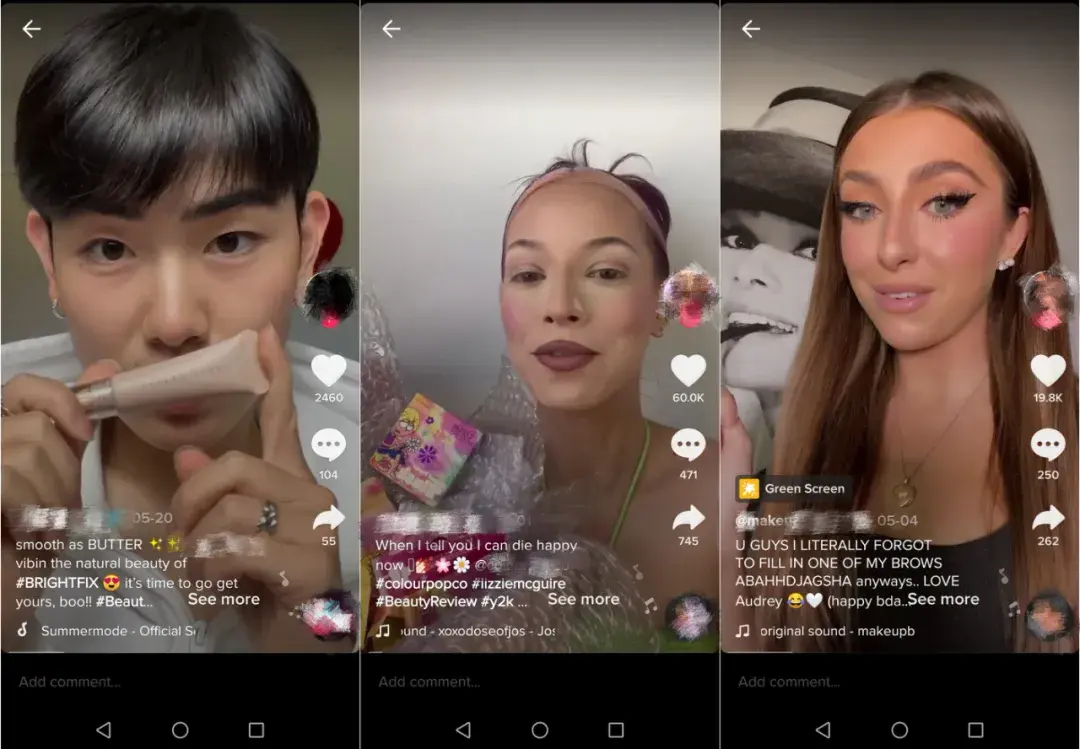
You launch a creator campaign on TikTok. The video hits 2 million views in 48 hours. Your team celebrates. Then your affiliate manager pulls the conversion report and you realize you have no idea whether those 2 million views produced a single sale.
If this scenario sounds familiar, you are not dealing with a creator problem or a product problem. You are dealing with a tracking infrastructure problem—and it is more common than the affiliate industry lets on.
Why TikTok Breaks Traditional Affiliate Tracking
TikTok’s content algorithm does not care about your purchase funnel. It optimizes for watch time and engagement signals, serving your creator’s affiliate video to entirely new audiences with every refresh of the For You Page. This creates a fundamental mismatch: platform metrics measure visibility, while your business measures revenue.
Most affiliate managers make this worse by building their tracking stack around the wrong data layer. Views, likes, and shares tell you whether a video performed well on TikTok. They tell you nothing about whether that performance translated into checkout completions. Without pixel-level or server-side conversion tracking, you are essentially guessing which creators actually drove business outcomes.
A second failure mode is over-relying on last-click attribution. Picture this: a customer discovers your product through a TikTok creator’s demo, clicks the affiliate link, gets distracted, and completes the purchase three days later via a Google search. A last-click model credits Google and ignores the TikTok creator entirely. Brands that operate on this logic systematically undervalue their creator partnerships and cut budgets that were doing exactly what top-of-funnel content should do.
The third mistake is using generic affiliate links across multiple creators. When every creator points to the same URL, you cannot distinguish which content moved the customer. You cannot optimize creator selection, content format, or commission structure. You are essentially flying blind and calling it a reporting system.
Building a Tracking Stack That Actually Works
Before you can trust any metric, you need infrastructure that captures what happens between a TikTok video and a conversion. Here is how to build it step by step.
Install and Configure TikTok Pixel and Events API
The TikTok Pixel lives on your landing pages and fires when users take action—clicking an affiliate link, adding to cart, or completing a purchase. Creating a Pixel in TikTok Events Manager is straightforward. Implementing it correctly across every page that hosts affiliate content is where most teams stumble.
For affiliate campaigns, track at minimum: PageView (to confirm the landing), Click (when the affiliate link activates), and Purchase (when the conversion fires). The Events API adds server-side reliability by capturing events that client-side scripts miss due to ad blockers or slow load times. Given TikTok’s predominantly mobile audience, server-side conversion data becomes critical for accurate attribution.
Verification is non-negotiable. Use TikTok’s Pixel Helper browser extension to confirm events fire correctly during test runs. Skipping this step means spending weeks chasing phantom gaps that do not exist.
Tag Every Affiliate Link with UTM Parameters
Your pixel captures what happens after the click. UTM parameters trace the path. A standard structure for TikTok affiliates looks like this:
- utm_source=tiktok
- utm_medium=affiliate
- utm_campaign=[creator_identifier]
- utm_content=[video_id or specific_call_to_action]
This level of granularity lets you segment performance by individual creator and even by specific video. Without UTMs, you cannot separate the creator who drove 50 conversions from the one who drove 5.
Mid-node tracking is the layer most teams overlook. When a user clicks an affiliate link and passes through a bridge page, offer page, or redirect before reaching the final destination, each hop risks losing referrer data. Use a redirect service that preserves your UTM parameters through every hop, or implement link cloaking that maintains parameter integrity. Without this, you systematically undercount conversions that take more than one click to complete.
Integrate Your Affiliate Network’s Tracking System
If you work through an affiliate network, sync their postback URLs with TikTok events so conversions record with the correct affiliate ID. This step is where most tracking setups break down. Test the postback integration end-to-end before scaling any creator campaign. A broken postback means conversions are recorded in your affiliate network but never connected to your TikTok traffic data.
KPIs That Actually Tell You Something
Once your tracking infrastructure is solid, the next question is which metrics deserve your attention. TikTok’s native analytics dashboard offers plenty of numbers. Most of them do not matter for affiliate performance measurement.
Engagement Metrics That Signal Potential
Video completion rate is worth watching, but not for the reason most people think. It matters because it tells you whether viewers reached the point in the video where your creator placed the call-to-action. A 15-second product demo buried after a 45-second storytime segment will show high overall completion but poor CTA exposure.
Profile visits from video serve as a secondary engagement signal. When viewers deliberately click through to an affiliate’s profile, they are signaling interest beyond passive viewing. Track this alongside your link-click rate to identify where friction exists in your CTA placement or link format.
Revenue and Cost Metrics That Prove ROI
Conversion rate segmented by UTM source is where analysis becomes actionable. Calculate conversion rate per creator, per video style, and per posting time. Without this segmentation, you cannot identify which variables drive performance.
Average order value from TikTok referrals tells you whether the audience your creators reach has purchasing habits aligned with your margins. High conversion volume with low AOV often signals a mismatch between creator content and product price point.
Calculate affiliate commission cost as a percentage of attributed revenue. This number should stay below your gross margin on TikTok-sourced orders, or the channel becomes unprofitable at scale.
Customer lifetime value attribution is the hardest metric to capture reliably. If your product involves repeat purchases, implement a view-through attribution window of 7 to 14 days so TikTok’s awareness-building contribution gets counted rather than ignored by last-click models.
Building Your Tracking Dashboard

No matter how solid your pixel setup, data stays scattered unless you consolidate it into a single operational view. A purpose-built tracking dashboard turns raw numbers into a decision-making surface you can review in minutes, not hours.
Essential Dashboard Columns
A functional dashboard does not need dozens of columns. It needs the right columns linked to reliable sources. Structure your sheet around these core fields:
- Date — pulled from your affiliate network’s transaction log
- Creator ID / Handle — manually entered from your partnership roster
- UTM Source — extracted from your URL shortener’s click report
- TikTok Video URL — captured when you distribute tracked links
- Clicks — from your URL shortener or redirect platform
- Conversions — from your affiliate network’s postback or CSV export
- Revenue — pulled from your e-commerce platform or affiliate network
- Commission Cost — calculated as revenue multiplied by the agreed commission rate
Pull each data field on the same day each week. Affiliate network reporting commonly runs 24 to 72 hours behind actual transactions. Consistent pull dates prevent gaps and make month-over-month comparisons meaningful.
Using the Dashboard for Performance Reviews
Schedule a standing review every Monday morning. Import fresh rows from each data source, verify that conversion counts match what your affiliate network recorded overnight, and flag any rows where clicks exist but conversions are zero for more than two weeks. That lag pattern usually signals a broken postback URL, not poor creator performance.
For monthly reviews, calculate cost per acquisition per creator and compare it against your target customer acquisition cost. If a creator’s CPA exceeds your threshold by more than 25 percent, shift the conversation from scaling the partnership to renegotiating the commission rate or revisiting the creative brief.
Treat the dashboard as a living document rather than a quarterly report. Operational cadence separates teams that spot attribution problems in days from those who discover them in months.
Direct Answer Block
TikTok affiliate performance tracking requires three layers working together: TikTok Pixel and Events API for conversion capture, UTM parameters and mid-node tracking for path tracing, and integration with your affiliate network’s postback system for commission tracking. Without all three layers, you cannot reliably connect creator content to revenue outcomes.
Frequently Asked Questions
Why do TikTok affiliate campaigns show high views but low conversions?
TikTok’s algorithm surfaces content based on interest signals, not purchase intent. Views indicate visibility, not buyer readiness. Without pixel tracking and UTM parameters, you cannot see which views translated into clicks and purchases.
What is the biggest tracking mistake on TikTok affiliate campaigns?
Using last-click attribution as the sole performance measure. TikTok primarily drives top-of-funnel awareness. Customers often discover products through creators but complete purchases later through other channels. Last-click models systematically undervalue creator influence.
How do I track conversions that happen days after a TikTok video?
Implement a view-through attribution window of 7 to 14 days in your analytics setup. This captures conversions influenced by TikTok awareness that did not result in immediate clicks.
What metrics should I prioritize over TikTok engagement numbers?
Focus on conversion rate per UTM source, average order value from TikTok traffic, affiliate commission cost as a percentage of attributed revenue, and customer acquisition cost per creator.