Trend 1: AI-Powered Content Creation and the 2026 Maturity Shift
TikTok Shop has moved past the early-adopter phase into a period of rapid maturation, making 2026 a genuine turning point. The platform’s seller base has grown exponentially across Southeast Asia while expanding into Europe and Latin America — more competition for the same For You Page real estate. TikTok’s algorithm increasingly prioritizes content driving transactions, and consumers have become more sophisticated, comparing prices and reading reviews before purchasing.
According to eMarketer’s social commerce projections, TikTok Shop’s growth continues but the distribution is shifting — a small percentage of data-driven sellers capture disproportionate share while casual sellers are squeezed out. The first trend defining this new landscape is AI-powered content creation, which has matured from experimental to table stakes. Sellers who don’t use AI tools will be outpaced by competitors producing higher volumes of localized content at a fraction of the cost.
The most impactful AI applications for 2026 include script generation with multi-language support, automated video editing optimized for TikTok pacing, AI-generated product image variations for testing, and voiceover generation in Thai, Vietnamese, and Indonesian. These tools reduce production time by 60-80%.
AI augments rather than replaces human creators — the winning formula pairs AI scripts with authentic human delivery. For sellers managing campaigns across multiple markets, platforms like Dami integrate AI script generation with multi-language support into creator outreach workflows, enabling sellers to provide market-localized briefs without native-language teams in each country.
Trend 2: TikTok Search Commerce Redefines Product Discovery
TikTok is rapidly becoming a search engine. Younger demographics increasingly use TikTok as their primary tool for product research, recommendations, and price comparison. According to Hootsuite’s TikTok statistics, search-driven commerce on social platforms is one of the fastest-growing traffic channels for product discovery in 2026. This shift has profound implications for how sellers optimize their TikTok presence.
Search-driven product discovery is expected to account for a significantly larger share of TikTok Shop traffic compared to 2024 levels. Keyword optimization in product titles, descriptions, and video captions is becoming as important on TikTok as on Amazon or Google. Sellers who treat TikTok content as ephemeral entertainment miss the long-tail search value of every video they publish.
Practical steps include researching high-volume search terms and incorporating them into product titles, adding keyword-rich text overlays to the first three seconds of product videos, and monitoring TikTok’s search trend data through Seller Center to identify emerging terms before competitors saturate them. The sellers who win will think like SEO strategists while creating content that still feels native to TikTok.
Trend 3: The Nano and Micro-Creator Economy Scales Up
The creator partnership model is undergoing a structural shift. In 2024, brands competed for macro-influencers with hundreds of thousands of followers, driving up costs. In 2026, nano-creators (1,000-10,000 followers) and micro-creators (10,000-100,000) deliver superior ROI, and platform tools increasingly support scaled micro-creator campaigns.
The data is compelling. Micro-creators consistently achieve higher engagement rates than macro-influencers in categories like beauty, home goods, and fashion. Their audiences trust recommendations more, perceiving them as authentic peers rather than polished celebrities. They accept lower commission rates and often produce content without upfront fees, dramatically reducing the cost of large-scale campaigns.
The management challenge is scale. Working with 10 creators is manageable manually; working with 200 across three countries requires automation. Successful sellers in 2026 are using creator outreach tools designed for TikTok Shop to discover, invite, and manage micro-creator relationships at scale. Shift your budget from expensive macro-creators toward a larger network of vetted micro-creators for better aggregate ROI with lower per-sale costs.
Trend 4: Multi-Market Expansion Becomes Essential
For much of TikTok Shop’s history, focusing on a single Southeast Asian market was viable. In 2026, single-market focus is becoming a liability. Sellers in one country face concentration risk from regulatory changes, algorithm shifts, and competitor saturation. Multi-market sellers benefit from cross-market learnings, diversified revenue, and the ability to redeploy successful products across markets.
Multi-market expansion is not simply listing the same products everywhere. Indonesia requires Bahasa Indonesia content, different pricing sensitivity, and halal certification for certain categories. Thailand’s ecosystem is the most mature, with high content quality expectations. Vietnam favors lower price points and values creator authenticity. Malaysia and Philippines each present unique payment preferences and logistics challenges.
Successful multi-market sellers develop a centralized content and product strategy adapted — not just translated — for each market. They identify products with cross-market appeal, create localizable content templates, and manage creator networks in parallel. Resources on TikTok Shop Southeast Asia strategy provide insights on content localization, pricing, and creator approaches. The window for easy entry into new markets is narrowing — sellers who establish multi-market operations now will have a structural advantage.
Trend 5: Shoppable Live Commerce Enters Its Prime
Live commerce on TikTok Shop has evolved from experimental to the highest-converting sales channel on the platform. In 2026, livestream selling is the primary growth engine for most high-GMV stores, combining real-time product demonstration, audience Q&A, limited-time offers, and algorithmic reach amplification.
Several developments are driving this growth. TikTok continues investing in live shopping infrastructure including improved product pinning and multi-host capabilities. Consumer familiarity with shoppable livestreams has reached a tipping point in Southeast Asia. Conversion rates on shoppable livestreams consistently outperform both organic video and paid ads for most product categories.
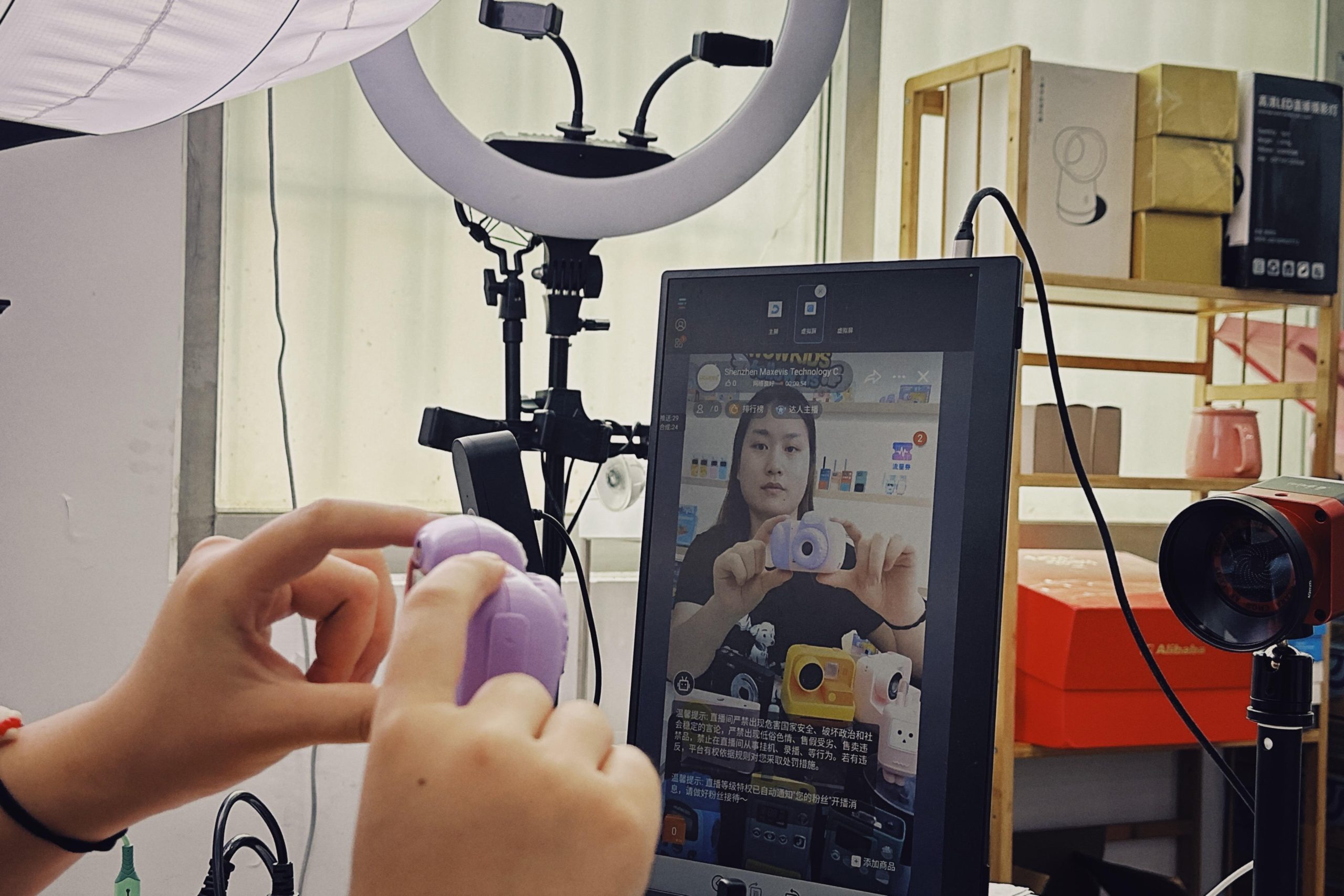
Successful live commerce requires a structured approach. The best-performing livestreams follow a format: hook (first 60 seconds), product showcase, audience Q&A, flash sale, and conversion push. Top sellers run scheduled streams 3-5 times weekly to build consistent audience habits. For cross-border sellers, language barriers remain the primary challenge — hiring native-speaking hosts or using AI translation tools is essential.
Trend 6: Brand Safety and Compliance Automation Matures
As TikTok Shop grows, regulatory scrutiny and platform enforcement intensify. In 2026, compliance is a frontline competitive factor determining which sellers stay on the platform. TikTok Shop’s enforcement of product quality standards, IP rules, advertising guidelines, and country-specific regulations has become increasingly automated and strict.
Key compliance developments include automated listing reviews that flag non-compliant claims before publication, stricter creator disclosure requirements with video takedowns for violations, country-specific regulations requiring market-by-market compliance checklists, and shop health score systems that increasingly influence algorithmic product visibility.
Sellers treating compliance as a checkbox exercise are learning the hard way that a single violation can cause a multi-day store suspension during peak periods. Forward-looking sellers build compliance into operational workflows: automated claim screening, documented creator briefs, and regular cross-market compliance audits. The cost of one suspension wiping out weeks of revenue makes compliance infrastructure a high-ROI investment.
How Cross-Border Sellers Should Prepare for 2026
Knowing trends is half the battle. The sellers who thrive translate insights into systematic action. Here is a practical preparation framework:
| Trend | Immediate Action (30 Days) | Strategic Investment (90 Days) |
|---|---|---|
| AI Content Creation | Test AI script generation for one product line | Integrate AI tools into creator workflow across all markets |
| Search Commerce | Audit and keyword-optimize top 10 product listings | Build keyword research process for all new listings |
| Micro-Creator Economy | Identify 20 micro-creators in primary market | Deploy scaled outreach system across 3+ markets |
| Multi-Market Expansion | Research regulations and content norms for one new market | Launch operations in second market with localized strategy |
| Live Commerce | Run one test livestream with existing creator | Establish weekly livestream schedule per market |
| Compliance Automation | Review all active listings for compliance issues | Implement pre-publication compliance checklist |
The common thread across all preparation strategies is the shift from manual, ad-hoc operations to systematic, data-driven processes. Sellers who invest in systems for creator management, content creation, compliance, and analytics will operate with a structural efficiency advantage that compounds over time. Understanding how to track influencer ROI across markets is essential for measuring whether these trend investments generate returns or need adjustment.
Frequently Asked Questions
Which 2026 TikTok marketing trend should I prioritize first?
Start with AI-powered content creation — it directly reduces your largest operational cost and unlocks capacity to address other trends. Implement AI script generation and localization automation before expanding into new markets or scaling creator outreach. Without efficient content production, the benefits of other trends are limited by your content output ceiling.
Is it worth expanding to multiple markets if I am succeeding in one?
Yes, but do not rush. Begin by identifying one adjacent market, run a 30-day pilot with 5-10 products and 10-20 creators, and expand only after validating performance. Many sellers who attempt rapid multi-market expansion without preparation see their first-market performance decline as resources stretch too thin.
Will AI replace human TikTok creators in 2026?
Not in 2026. AI excels at script generation, translation, and editing optimization. Human creators remain essential for authentic product demonstrations and building audience trust. Fully AI-generated content consistently underperforms human-created content in engagement and conversion. The winning formula uses AI for back-end preparation and humans for delivery.
How much should I budget for creator partnerships?
Growth-stage sellers typically allocate 15-25% of GMV to creator commissions and sample costs. Established sellers with strong organic traffic allocate 8-12%. Focus on micro-creator partnerships to lower per-sale costs while maintaining volume. Avoid large guaranteed fees with individual creators until conversion performance is proven.
What are the biggest risks for TikTok Shop sellers in 2026?
The three biggest risks are platform dependency (having all revenue on TikTok Shop — diversify channels and markets), compliance violations causing store suspensions, and creator churn. Each risk is manageable with systematic preparation and proactive operational discipline.