
TikTok Shop vs Shopee: An Overview of Both Platforms
For cross-border sellers evaluating where to invest their resources in 2026, the TikTok Shop vs Shopee comparison is one of the most consequential decisions they will make. Both platforms dominate Southeast Asian e-commerce, but they operate on fundamentally different models.
TikTok Shop is a content-commerce platform embedded within the TikTok app. It turns entertainment into transactions: users watch short videos or livestreams, discover products organically, and purchase without leaving the app. TikTok for Business has invested heavily in shopping features, and the platform now operates in multiple Southeast Asian markets plus the US and UK.
Shopee, owned by Sea Limited, is a traditional marketplace built on search and category browsing. It has become the dominant e-commerce platform in Southeast Asia, with particularly strong market share in Indonesia, Vietnam, the Philippines, and Thailand. The core distinction: Shopee is demand-driven (users search for what they want), while TikTok Shop is discovery-driven (users find products through content they didn’t know they wanted). This single difference shapes everything from product selection to marketing strategy.
Market Reach and Audience Demographics
Both platforms skew young, but behavior patterns differ significantly. TikTok Shop’s audience is overwhelmingly Gen Z and younger Millennials (18–34), highly responsive to trends, influencer recommendations, and impulse purchases. The average user opens the app over 10 times per day, creating multiple touchpoints for product discovery.
Shopee’s audience is broader (18–45), with practical shoppers who compare prices, read reviews, and make deliberate purchasing decisions. They respond to promotions, vouchers, and free shipping incentives.
| Metric | TikTok Shop | Shopee |
|---|---|---|
| Primary Age Group | 18–34 | 18–45 |
| Shopping Behavior | Discovery-driven, impulse | Search-driven, intentional |
| Key Markets | SEA, US, UK | SEA, Taiwan, Brazil |
| Daily App Opens (avg) | 10+ times | 2–3 times |
| Average Order Value | $10–$30 | $8–$25 |
| Content Dependency | High — content drives sales | Low — listings drive sales |
For sellers targeting impulse-buy behavior and trend-driven products, TikTok Shop offers superior reach. For sellers with practical, everyday products and competitive pricing, Shopee’s larger buyer base may deliver more consistent volume.
Entry Requirements and Seller Onboarding
The barrier to entry differs meaningfully between the two platforms.
Shopee Cross-Border: Requires a business license (or individual ID for some markets), bank account, and product compliance documents. The onboarding process is well-documented and typically takes 3–5 business days, with dedicated seller support and localized guides.
TikTok Shop Cross-Border: Requires a business license, passport of the legal representative, and bank account. Category approval for sensitive products involves additional documentation. Onboarding is faster (1–3 days) but the platform’s rapid feature changes mean sellers must stay updated on policy shifts.
TikTok Shop allows selling across multiple markets from a single seller center, while Shopee requires separate shop registrations per market, adding administrative overhead.
Fee Structures and Profit Margins
Fee structures differ enough between platforms to influence your pricing strategy:
TikTok Shop fees: Commission rates range from 1–5% depending on category and market. Transaction fees are typically 1–2%. There are no listing fees, and TikTok Shop frequently offers seller subsidies and reduced commission periods in new markets.
Shopee fees: Commission rates range from 2–6% depending on category and Shopee Mall participation. Transaction fees are around 2%, plus a service fee on completed orders. Cross-border sellers may face additional shipping fee structures through Shopee’s logistics service (SLS).
For low-margin products, TikTok Shop’s lower commissions and subsidies offer a short-term advantage, though fees are expected to rise as the platform matures. Shopee’s fees are more stable but higher overall. Shopee also has a more established return policy that buyers frequently use, which can squeeze margins.
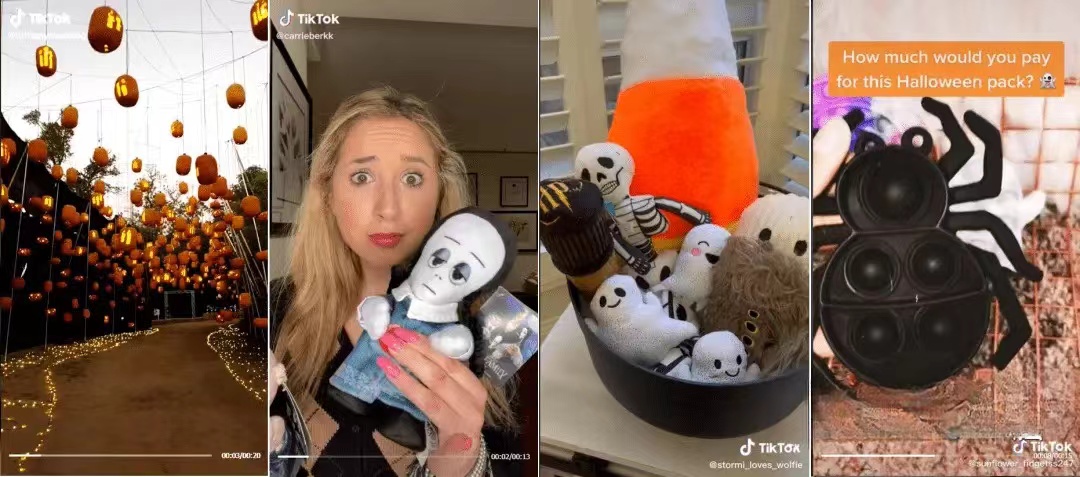
Content Commerce vs Traditional E-commerce
This is the fundamental strategic difference. Your ability to produce content — or partner with those who can — determines success on TikTok Shop. On Shopee, content matters far less than listing optimization, pricing, and review accumulation.
On TikTok Shop, the sales funnel starts with content. A viral video can generate thousands of orders in hours. Livestream selling is another major driver, particularly in Southeast Asia. Sellers who cannot produce engaging video content or build creator partnerships will struggle regardless of product quality.
On Shopee, the sales funnel starts with search. Buyers type keywords, browse listings, compare prices and reviews, and purchase. Success depends on keyword-optimized titles, competitive pricing, high review ratings, and participation in platform campaigns like 9.9, 11.11, and 12.12 sales.
Many successful sellers operate on both platforms — using TikTok Shop for product testing and viral launches, then migrating proven winners to Shopee for stable, search-driven volume.
Logistics and Fulfillment Options
Logistics can make or break a cross-border e-commerce operation. Both platforms offer logistics solutions, but their maturity differs.
Shopee Logistics Service (SLS): Sellers ship to a domestic consolidation warehouse, and Shopee handles international shipping, customs clearance, and last-mile delivery. SLS is reliable, cost-effective, and integrated into the seller dashboard, with delivery times of 5–12 days.
TikTok Shop logistics: Offers Fulfillment by TikTok (FBT) in select markets and supports third-party logistics partners for cross-border sellers. The ecosystem is less mature than Shopee’s but improving rapidly.
For dropshipping, TikTok Shop’s flexibility in allowing third-party fulfillment is an advantage. Shopee’s SLS system requires shipping to consolidation warehouses within strict time windows — if your supplier cannot meet these cutoffs, you face late-shipment penalties.

Marketing and Traffic Generation
Your marketing approach must align with the platform’s traffic model.
TikTok Shop marketing: Primary traffic drivers are organic short videos, livestream commerce, and the TikTok Shop Affiliate program. Sellers can also run TikTok ads to amplify top-performing content. The affiliate program is particularly powerful — it leverages hundreds of creators who produce content about your products for commission.
Shopee marketing: Traffic comes from search ranking, Shopee Ads, platform campaigns, and voucher strategies. Features like Shopee Coins, flash sales, and bundle deals drive conversion. Building a high review count (4.8+ stars) is essential for search visibility.
TikTok Shop rewards content investment — a single viral video can generate organic sales for weeks. Shopee rewards advertising spend and promotional participation, creating a more predictable but ongoing cost.
Which Platform Should You Choose?
There is no universal winner — the right choice depends on your product type, operational capabilities, and business goals.
Choose TikTok Shop if: Your products are visually compelling and trend-driven. You can produce video content or build creator partnerships. You want lower commission fees and are targeting younger demographics or the US/UK markets.
Choose Shopee if: Your products are practical, everyday items with steady demand. You prefer search-driven, predictable sales. You want access to a mature logistics network and a larger established buyer base in Southeast Asia.
Choose both if: You have the operational capacity to manage dual channels. Many successful sellers use TikTok Shop for product-testing and brand-building, then expand proven products to Shopee for consistent search-driven revenue.
Regardless of platform choice, operational efficiency scales your success. Tools that automate multi-store management help sellers manage growth without proportional increases in manual workload.
Frequently Asked Questions
Can I sell on both TikTok Shop and Shopee at the same time?
Yes, and many successful cross-border sellers do. There are no exclusivity requirements on either platform. The main challenge is operational — managing inventory, pricing, and fulfillment across two platforms requires robust processes and multi-store management software.
Which platform has lower fees for cross-border sellers?
TikTok Shop currently offers lower commission rates (1–5%) compared to Shopee (2–6% plus service fees), and frequently provides seller subsidies in growth markets. However, TikTok Shop’s fees are expected to rise as the platform matures. Shopee’s fee structure is more stable but includes additional costs like advertising and campaign participation fees.
Is TikTok Shop or Shopee better for new cross-border sellers?
It depends on your strengths. If you are comfortable with content creation and social media marketing, TikTok Shop offers faster growth and lower entry costs. If you prefer traditional e-commerce operations — listing optimization, pricing strategy, and logistics management — Shopee provides a more structured environment. New sellers with limited content capabilities often find Shopee easier to start with.
Which platform has better logistics for cross-border sellers?
Shopee currently has the more mature cross-border logistics network through SLS, with established consolidation warehouses and predictable delivery timelines. TikTok Shop’s logistics are improving but less consistent, particularly in newer markets. However, TikTok Shop offers more flexibility for sellers using third-party fulfillment or dropshipping models.
Do I need different products for TikTok Shop vs Shopee?
Not necessarily, but the same product may perform differently. TikTok Shop favors products that are visually demonstrable with viral potential. Shopee favors products with steady search demand and competitive pricing. Testing on both platforms is the most reliable way to determine where each item performs best.