Why Product Selection Is the #1 Success Factor on TikTok Shop
If you are a cross-border seller looking at TikTok Shop, you have probably heard success stories: a single product video goes viral, and suddenly a seller is moving thousands of units per day. What those stories rarely mention is that the product itself drives the outcome more than the creator, the algorithm, or the ad budget.
TikTok is an impulse-buy platform. Users do not open the app with a shopping list. They scroll, get inspired by a 15-second video, and buy on the spot. That means the products that win are almost always visual, demonstrable, emotionally appealing, and priced in the impulse-buy zone. The wrong product — no matter how good your marketing — will struggle to convert.
What Makes a Product Go Viral on TikTok
Not every product is a fit for TikTok. The platform rewards content that stops the scroll, and certain product categories naturally produce that kind of content. Here are the characteristics that separate TikTok winners from average e-commerce products:
- Visually demonstrable: A product that looks dramatically different before and after use, or that produces a satisfying visual result. Beauty, cleaning, kitchen, and home-improvement products often fall into this category.
- Problem-solution fit: It solves a specific, relatable problem in a surprising way. Think of gadgets that make a tedious task faster or easier.
- Impulse price point: Most viral TikTok Shop products sit between $5 and $40. Above $50, users start to think instead of buy, and conversion drops.
- Lightweight and shippable: Cross-border sellers face shipping and customs costs. Smaller, lighter products usually have better margins.
- Repeat-purchase potential: Consumables, refills, and accessories create recurring revenue and higher lifetime value.
These traits determine whether creators want to promote your product, whether viewers will watch the video to the end, and whether the TikTok algorithm will push the content to more users.
How to Research TikTok Shop Trends and Best Sellers
Trend research on TikTok Shop is different from traditional product research. You are not just looking for products that already sell well. You are looking for products that could sell well because the content format is shareable.
Method 1: Study TikTok Shop Best-Seller Lists
TikTok Shop publishes best-seller rankings by region and category. Spend 30 minutes each day browsing these lists. Look for which categories dominate the top 100, what price points appear most often, and which products have recently broken into the top sellers from nowhere. A product that jumped into the top 50 last week may have early momentum, while one that has been in the top 10 for three months may already be saturated.
Method 2: Watch What Creators Are Promoting
Creators are often the first to spot rising products. Search TikTok for hashtags like #TikTokMadeMeBuyIt and #TikTokShopFinds. Filter by videos posted in the last 30 days and look for products that appear repeatedly. A product video with 500K views and 10K comments suggests strong interest; one with 2M views and 50K shares suggests viral potential.
Method 3: Use a Creator-Driven Product Intelligence Tool
Manual trend watching is useful but time-consuming. A creator-marketing platform like Dami gives you a different lens: it hosts a database of 8 million+ TikTok shopping creators and 10 million+ shoppable video samples. You can see which products are being promoted repeatedly by creators, which categories are attracting the most creator activity, and which competitor sellers are already recruiting creators in your target niche. This helps you validate demand from the creator side rather than guessing from best-seller lists alone.
Using Data to Validate Product Demand
Spotting a trend is only the first step. Before you commit inventory, you need to validate that the demand is real and sustainable. Here is a simple validation framework:
| Validation Factor | What to Check | Green Flag |
|---|---|---|
| Search volume | Are people searching for this product on TikTok and Google? | Steady or rising searches over 30 days |
| Creator activity | How many creators are posting about it? | 10+ recent videos from different creators |
| Sales velocity | Is it actually selling on TikTok Shop? | Appearing in category best-seller lists |
| Competition density | How many sellers are already offering it? | Fewer than 50 established listings |
| Margin potential | Can you source and ship profitably? | At least 40% gross margin after all costs |
A product that passes three or more of these checks is worth testing. Start with 100-200 units and a small creator campaign of 5-10 micro-influencers. If content converts at 5-15% and you hit positive ROI, then scale. Many sellers lose money by ordering 5,000 units before testing demand.
Category Selection: High-Potential Niches for 2026
Some categories consistently outperform others on TikTok Shop. Based on current sales data and content trends, these niches show strong potential:
| Category | Why It Works on TikTok | Example Products |
|---|---|---|
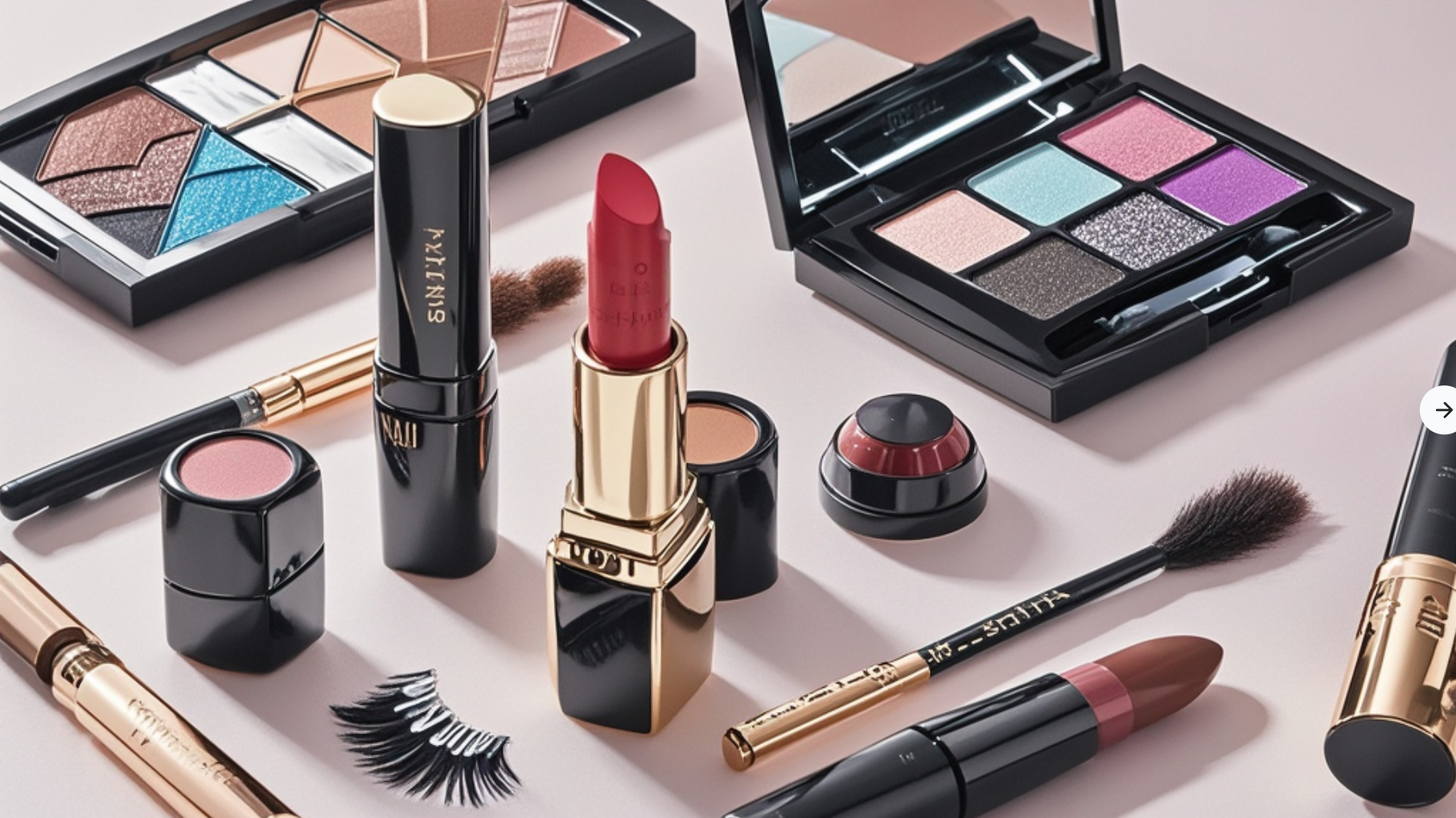
| Beauty and skincare | Before/after visuals and routine content perform well | Serums, lip tints, beauty tools, hair care |
| Home organization | Problem-solving content gets saves and shares | Drawer organizers, storage bins, kitchen gadgets |
| Pet products | Emotional appeal and cute content drive engagement | Pet toys, grooming tools, accessories |
| Health and wellness | Self-improvement content resonates with younger audiences | Fitness accessories, supplements, sleep aids |
| Phone accessories | Low price, broad audience, easy to demonstrate | Cases, chargers, stands, cables |
| Kitchen gadgets | Satisfying visuals and utility drive impulse purchases | Choppers, slicers, mini appliances |
When choosing a category, match it to your sourcing strengths. If you already have access to beauty suppliers, beauty is a natural fit. If you specialize in electronics accessories, phone accessories may be easier to execute.
Sourcing, Pricing, and Margin Strategy
Product selection is not just about demand. It is also about whether you can deliver the product profitably. Here is a simple margin model for TikTok Shop:
| Cost Component | Typical Range | Notes |
|---|---|---|
| Product cost | 20-35% of retail price | Higher for electronics, lower for accessories |
| Shipping and fulfillment | 15-25% of retail price | Depends on weight, destination, and logistics partner |
| Creator commission | 10-30% of retail price | Varies by product category and creator tier |
| Platform fees | 2-5% of retail price | TikTok Shop transaction fees |
| Returns and samples | 3-7% of retail price | Budget for sample fulfillment and returns |
Your retail price must cover all of these costs plus leave room for advertising, discounts, and profit. TikTok Shop also runs frequent sales events, so build promotional headroom from day one — price as if you will run a 15-20% discount during peak events.
Common Product Selection Mistakes to Avoid
Mistake 1: Copying Current Best Sellers
By the time a product appears at the top of the best-seller list, dozens of sellers are already competing. Use best-seller lists for pattern recognition, not for direct copying.
Mistake 2: Ignoring Shipping Costs
A $8 product with $6 shipping costs is a very different business than a $8 product with $2 shipping costs. Always calculate total landed cost before you decide on a product.
Mistake 3: Choosing Products Without Demonstration Potential
If a product is hard to show in a 15-second video, it will be hard to sell on TikTok. Ask yourself: could a creator make an engaging video about this without a script?
Mistake 4: Overestimating Demand From One Viral Video
One viral video does not prove a market. Look for sustained interest across multiple creators and time periods before committing significant inventory.
Mistake 5: Not Using Creator Signals to Validate Demand
Guessing your way into product selection is expensive. Creator activity is often an early signal of demand: if a product is being promoted by many creators, it usually means it is converting. Tools like Dami let you search 10 million+ shoppable TikTok videos and 8 million+ creator profiles to see which products are getting creator attention, which competitor sellers are recruiting creators in that niche, and whether the creator ecosystem around a category is active enough to support your launch.
Frequently Asked Questions
How do I find trending products on TikTok Shop?
Check TikTok Shop best-seller lists, monitor creator content under hashtags like #TikTokMadeMeBuyIt, and use analytics tools that track sales velocity by category. The best approach combines manual observation with data-driven filtering.
What price range works best for TikTok Shop?
The sweet spot is generally $5 to $40. Below $5, margins are too thin after shipping and commissions. Above $50, impulse purchase behavior drops significantly.
Should I sell generic products or branded products on TikTok Shop?
Most successful sellers start with unbranded products that solve specific problems. Once you have a winner, you can develop your own branding to improve margins and reduce competition.
How much inventory should I start with?
For a new product test, start with 100-300 units. This is enough to run creator campaigns and capture early sales without creating a large inventory risk. Scale only after the product proves itself.
Can I use data tools to track competitor product performance?
Yes, but it depends what you mean by data. Creator marketing tools like Dami let you analyze which creators and competitor sellers are promoting a product, and how much creator activity a niche is generating. Combined with TikTok Shop best-seller lists and manual video research, this gives you a clear picture of whether demand is real and whether the niche has enough creator supply to scale.