Three weeks into a cold DM campaign targeting beauty creators on TikTok, a partnerships manager reported back with a troubling pattern: open rates were acceptable, but reply rates hovered near zero. The offer was competitive. The targeting looked solid. After reviewing the outreach messages, the problem became clear. Every single one opened with a pain-point-to-solution pitch designed for email prospects, not content creators making brand decisions based on audience trust and creative alignment.
This is not a message quality problem. It is a mental model problem, and no amount of subject line testing or offer optimization fixes it.
The Structural Mismatch Killing Your TikTok Creator Outreach
Email was built for asynchronous professional communication. TikTok was built to maximize time-on-platform through algorithmic content discovery, and direct messages exist as a secondary social feature that most creators treat as a notifications graveyard rather than a business inbox.
When you send a cold email, you are competing against other business proposals in an environment the recipient deliberately checks. When you send a cold DM on TikTok, you are competing against video notifications, comment alerts, duet requests, story updates, and a recommendation feed engineered to keep users scrolling. A creator with 85,000 followers may receive hundreds of these inputs daily. Your message is not landing in a prioritized queue.
The filtering layer compounds this problem. Many creators above 50,000 followers have notification settings that automatically route messages from accounts they do not follow into filtered folders. Your carefully written pitch may never appear in their primary message view. The platform algorithm further influences message prominence based on engagement history between accounts, which means cold outreach starts at a structural disadvantage before the creator reads a single word.
The second failure layer is psychological. Even outreach teams that understand TikTok DMs behave differently from email often still execute outreach using the same decision-making framework: identify the recipient’s problem, present your solution, include a call to action. This framework works in B2B cold email because recipients evaluate business proposals with professional criteria. Creator partnerships do not operate on that logic.
A TikTok creator evaluating a brand collaboration is asking three different questions. Will this brand align with how my audience sees me? Does this offer respect my creative autonomy? Will this engagement help or hurt my content performance and reputation? These are not procurement decisions. They are cultural and reputational decisions made by someone protecting an audience they built. Messages that earn replies treat creators as cultural operators, not email prospects.
When Cold DM Tactics Are Worth the Effort
Cold direct messaging is not a universal solution. Sending messages without evaluating whether your campaign fits TikTok creator economy mechanics wastes effort on outreach that gets ignored, reported, or blocked—all outcomes that damage brand reputation without building pipeline.
Conditions That Justify Cold DM Investment
Cold DMs to TikTok creators produce acceptable results when three conditions align. First, the creator operates in a niche with highly engaged but underserved audiences. Second, you have a clear, tangible value exchange—product sample, affiliate share, early access, or exclusive content opportunity. Third, no warm introduction path exists into that creator’s inbox.
Micro-creators between 10,000 and 100,000 followers typically manage their own DMs and are more receptive to direct offers than mega-influencers who route all business inquiries through agents or agencies. When your offering matches a creator’s established content themes, the message feels relevant rather than intrusive. A well-targeted cold DM to a niche creator can achieve low single-digit reply rates, which justifies focused, low-volume campaigns even if conversion to partnership takes additional nurturing.
Cold DM tactics make sense for small marketing teams without existing creator networks, brands launching products that need rapid audience validation, and partnerships teams working under compressed timelines that preclude lengthy agency processes. Mid-size brands with defined niche positioning also benefit when their product category aligns with creator content themes that mainstream agencies under-serve.
When to Use Other Outreach Channels Instead
Established agency relationships, large budgets that absorb marketplace premiums, or products requiring creator compliance verification are better served through traditional channels. Agencies vet creators, handle contracts, and often work with pre-negotiated rates, removing the friction of a cold pitch and the risk of a damaged reputation from a poorly received message.
When you need scale and speed—such as a product launch requiring dozens of creator partnerships within days—platform-based matching tools outperform one-by-one direct messages. TikTok’s own Creator Marketplace, dedicated influencer marketplaces, and talent agencies handle discovery, qualification, and contractual logistics more efficiently than manual outreach at volume.
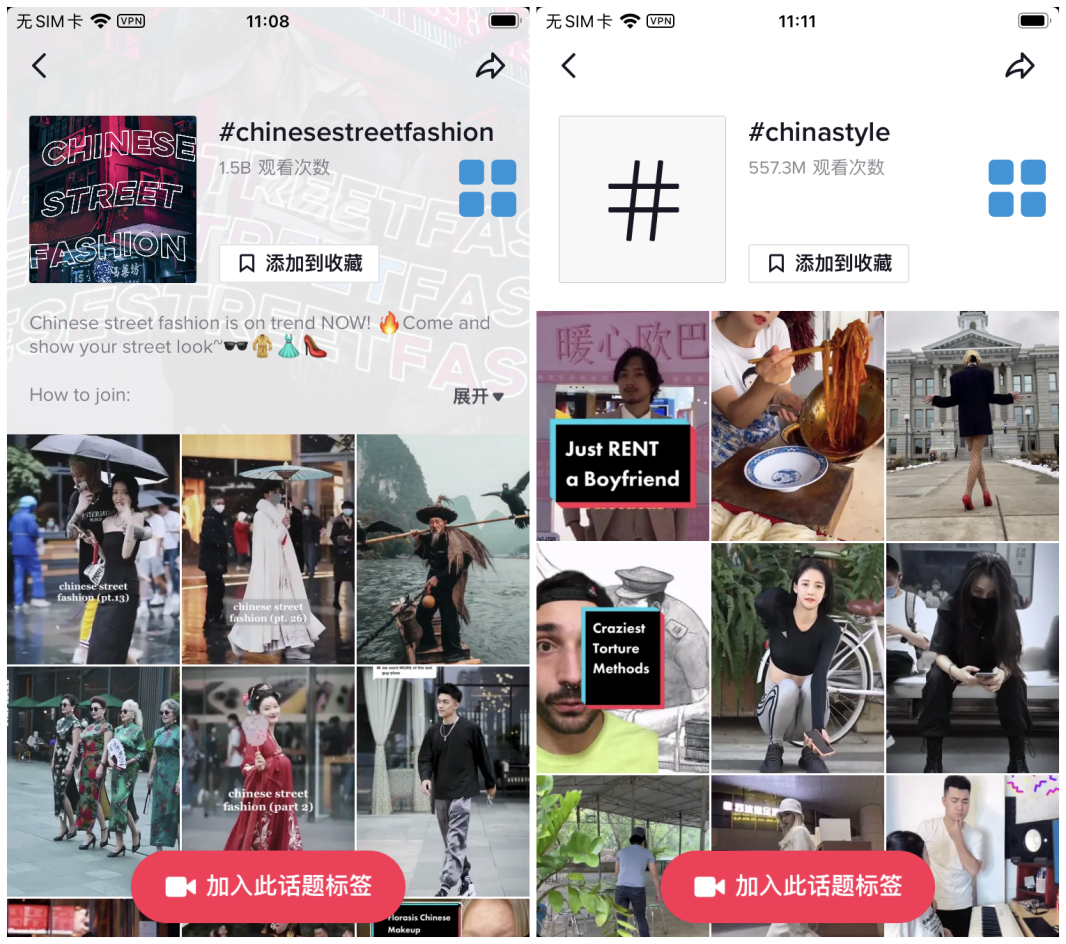
Organic collaboration requests through shared hashtags, brand partnership tags, or duet features work better when creators are actively seeking partnerships. In these situations, investing in cold DMs is a detour rather than a shortcut.
Executing Cold DM Campaigns on TikTok: A Practical Framework
Effective outreach happens before you type the first character. The research decisions you make before sending determine whether your messages start conversations or join the ignored pile.
Research and Segmentation
Start with content alignment, not follower count. Review a creator’s 15 to 20 most recent posts and note recurring themes, audience questions in comments, and the types of products they naturally mention or use. A creator discussing sustainable fashion ingredients in detail has different partnership potential than a lifestyle creator with identical follower numbers but generic content.
Engagement quality matters more than engagement rate for cold outreach. Look at comment authenticity: do followers ask specific questions or leave generic emoji responses? A creator with 8,000 followers and 200 substantive comments per video typically converts better than a 150,000-follower account where comment sections read like spam. Low engagement rates on large accounts often signal inactive or purchased followers.
Map collaboration history by checking whether the creator has posted sponsored content before, what brands they have worked with, and whether those partnerships aligned with your product category. Creators with established track records know their commercial value and expect professional inquiries. Creators who have never worked with brands may be more responsive but also less certain about partnership expectations and timelines.
Message Construction
Effective messages avoid the pain-point-to-solution pitch structure entirely. Use a three-part sequence: a specific observation about their content, a genuine insight or question, then a clear but concise collaboration proposal. This order respects that creators receive dozens of partnership inquiries and need a reason to read past the first line.
Personalization fails when it stops at inserting a username. Reference a specific video, echo a point they made in a comment, or connect your product to a trend they recently covered. Generic templates get filtered immediately—creators recognize assembly-line outreach the same way email users recognize BCC blasts.
Phrases that trigger defensive reactions include “exciting opportunity,” “quick question,” “partnership proposal,” and anything resembling “we love your content and think you would be perfect.” These read as mass outreach signals even when sent individually. Use direct language that assumes a professional peer relationship rather than a supplicant-brand-to-influencer dynamic.
Volume, Timing, and Performance Tracking
Limit outreach volume based on creator tier. For micro-creators between 10,000 and 50,000 followers, 15 to 25 messages per week per account is a reasonable ceiling to avoid triggering spam filters. For creators above 50,000, reduce volume further since these accounts are more likely to have automated filtering active.
Follow-up timing on TikTok differs from email sequences. Wait five to seven days before sending a single follow-up, and only follow up once. Creators who do not respond to initial messages are either not seeing them or have decided not to engage—repeated follow-ups in either case produce diminishing returns and increase block risk.
Track cold DM performance using shared spreadsheets or creator outreach platforms. Key metrics include response rate by creator tier, content alignment score at time of outreach, response sentiment, and conversion to partnership discussion. Focus initial optimization on response rate rather than conversion rate—response rate tells you whether targeting and messaging are viable before you optimize for downstream outcomes.
Recovering from Execution Mistakes
If messages start getting marked as spam, pause outreach immediately and review message content and sending patterns. Generic language, excessive punctuation, and links in initial messages are common triggers. Re-engage with a smaller volume and more personalized approach once you have identified the likely cause.
If creators respond negatively, do not argue or defend. Thank them for the response, apologize if appropriate, and move on. A defensive reply to a negative creator response is a quick path to a block, which can affect how TikTok’s algorithm treats your account more broadly.
If an entire creator segment consistently produces negative or no responses, abandon that segment rather than continuing to burn relationship equity. Niche misalignment is not fixable through message optimization—it requires adjusting your target list.
Frequently Asked Questions
What is cold DMing TikTok creators and how does it differ from other creator outreach methods?
Cold DMing TikTok creators means initiating direct message contact with creators you have no prior relationship with, typically to propose brand partnerships, product seeding, or sponsored content arrangements. Unlike warm outreach—where a mutual connection or prior interaction provides credibility—cold DMs start from zero relationship equity.
The method differs from agency pipelines, which handle discovery and contract negotiation but extract significant margins and reduce direct relationship control. Creator marketplaces provide volume and standardized terms but often surface creators already saturated with partnership requests. Organic collaboration requests via public comment or duet features work for brands with authentic community presence but lack the specificity of a targeted message. Cold DMs occupy a middle ground: direct, scalable, and relationship-thin. You gain efficiency but lose the trust foundation that warm channels provide.
Who benefits most from cold DM campaigns targeting TikTok creators?
Cold DM campaigns make strategic sense for small marketing teams with limited existing creator networks, brands launching products that require rapid audience validation, and partnerships teams operating with compressed timelines that preclude lengthy agency processes. Mid-size brands with defined niche positioning also benefit when their product category aligns with creator content themes that mainstream agencies under-serve.
Brands with established agency relationships, large budgets that can absorb marketplace premiums, or products requiring creator compliance verification are better served through traditional channels. The effort-to-outcome ratio for cold DMs degrades when alternative paths offer comparable results with less operational overhead.
How should a marketing or partnerships team structure their approach to cold DMing TikTok creators?
Effective teams separate research, outreach, and response management into distinct workflow stages. One person handles creator identification and qualification using shared tracking tools, another executes outreach messaging, and a third manages response evaluation and conversation progression. This specialization prevents the common failure mode where volume pressure degrades message quality.
Success metrics should focus on response rate rather than conversion rate initially—response rate signals whether your targeting and messaging are viable before you optimize for partnership outcomes. Tracking creator tier, content alignment score, and response sentiment across campaigns provides the data needed to refine segmentation over time.