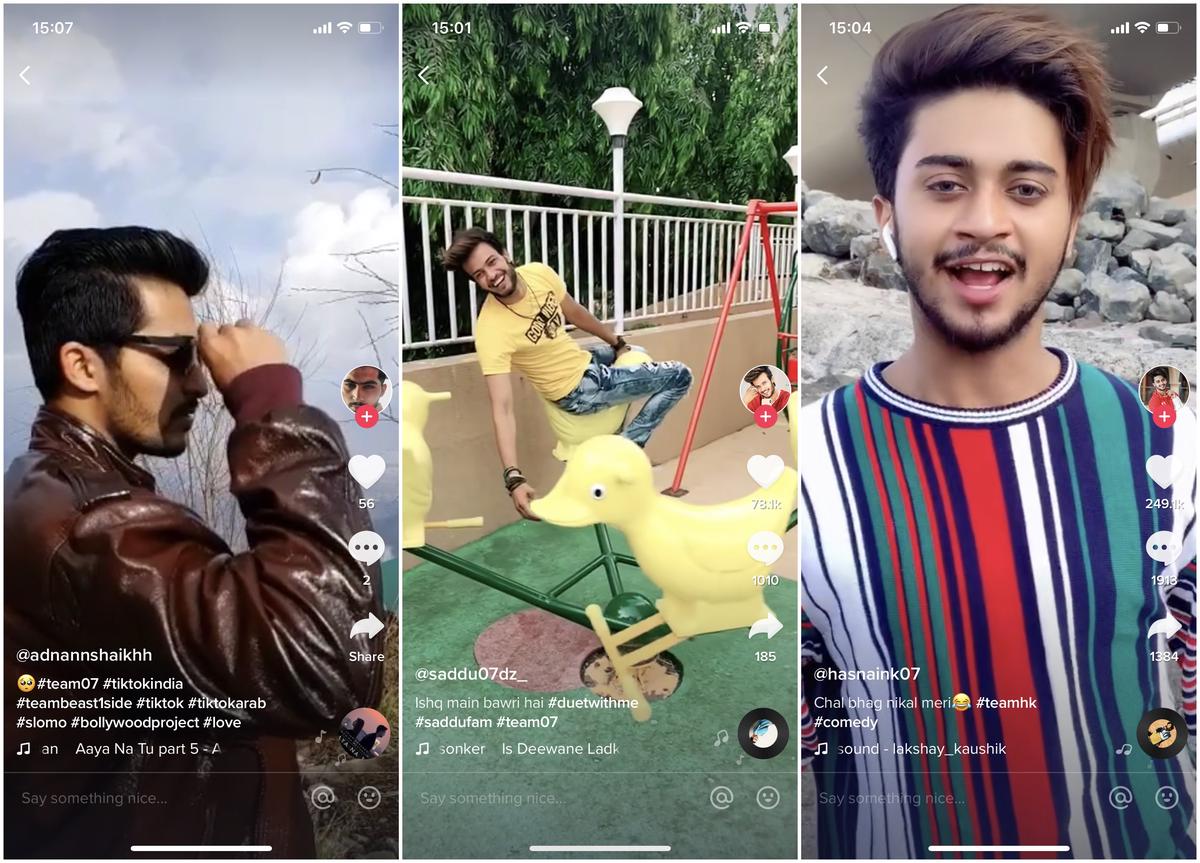
Most teams approach creator discovery on TikTok the same way: they type a product keyword into the search bar, scroll through hashtag results, and start reaching out to whoever has decent follower numbers. It feels productive. It isn’t.
The fundamental mistake is treating TikTok like a search engine when it’s actually a recommendation engine with a search function bolted on. What surfaces in a hashtag search is a mix of trending content, recently posted videos, and whatever the algorithm has decided to push that day. None of that tells you whether a creator is actively selling products, converting their audience, or even relevant to your category.
To find creators selling similar products on TikTok effectively, you need a repeatable system that combines native search tactics, third-party tools, and manual validation—not just hashtag browsing.
The Hashtag Trap
Hashtags on TikTok function differently than on Instagram or Twitter. A hashtag like #skincare might have billions of views, but those views are distributed across thousands of creators, most of whom are posting lifestyle content, personal routines, or entertainment—not product sales. Chasing hashtag volume gets you visibility metrics, not sales signals.
The other trap is assuming high follower counts mean good partnerships. A creator with 500K followers who posts once a month and averages 2,000 views per video is far less valuable than a creator with 50K followers who consistently drives product conversations and generates comments asking where to buy. Yet naive searches almost always surface the high-follower accounts first.
When Creator Research Pays Off
Creator research makes strategic sense when you’re launching a new product and need to map the competitive landscape, or when you’re scaling a campaign and need a repeatable list of qualified partners. It also pays off when you’re entering a niche category where a few trusted voices dominate the buying decisions of your target audience.
The real risk isn’t spending too little time on research—it’s spending so long that it becomes a substitute for outreach. Teams that treat creator discovery as a research project rather than a selection process end up with elaborate spreadsheets and no partnerships. The cost of perfect information is often paralysis.
Three Approaches to Discovering Creators With Similar Products
The moment you stop trusting hashtags to do your homework for you, you need a repeatable system that actually works. These three approaches range from zero-cost to paid, and each solves a different gap in the discovery process.
Using TikTok’s Native Search and Discovery Tools
TikTok’s search is more capable than most people realize, but the interface buries the features that surface creator accounts under layers of algorithmically ranked videos. The practical move is to open Discover, search your product category as a phrase rather than a hashtag, then immediately switch to the Users filter. This single step separates accounts from content and gives you a roster of profiles actively using terminology in your space.
Beyond keyword search, trending sounds are an underused discovery layer. Creators who consistently post to a sound in your product category are usually in active promotion mode. Their audience overlap with your target buyer is typically higher than followers of general lifestyle accounts, because the sound choice signals intent. You can find these by watching videos that appear when you search product-related keywords and noting which sounds appear repeatedly alongside product callouts.
Third-Party Tools That Speed Up Creator Identification
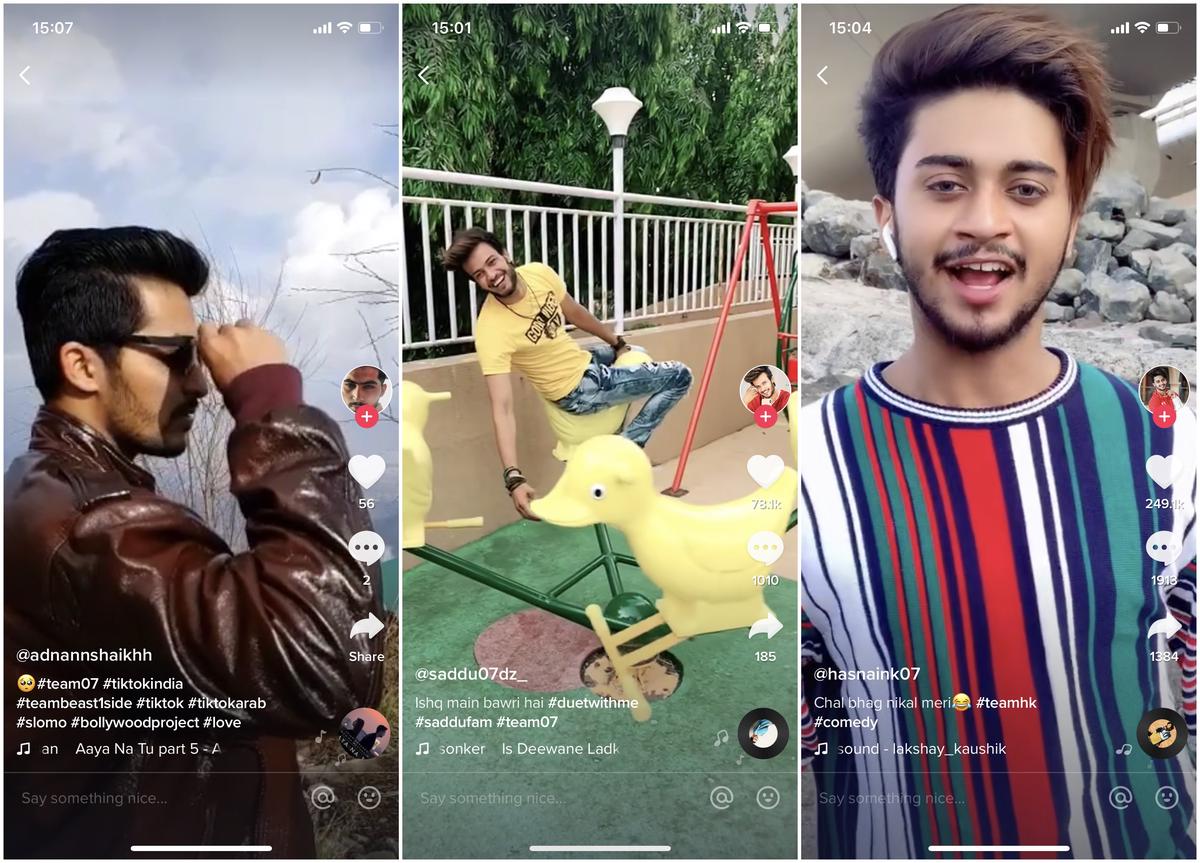
Tools in this space fall into three functional categories. Analytics platforms let you evaluate creators you’ve already found, typically offering follower demographics, engagement breakdowns, and historical collaboration data. Discovery tools take the opposite approach, using keyword, hashtag, and product category signals to surface creators you haven’t contacted yet. Directories function as searchable databases organized by vertical, often with basic contact or profile information attached.
The real operational risk with any tool is data freshness and coverage gaps. Most platforms index creators above a certain follower threshold, which means the most authentic product promoters in niche categories often go unlisted. Secondary validation by cross-checking against TikTok’s native search results helps close that gap. Free versions can still surface a usable shortlist if you apply manual judgment rather than accepting results at face value.
Manual Research Tactics That Tools Miss
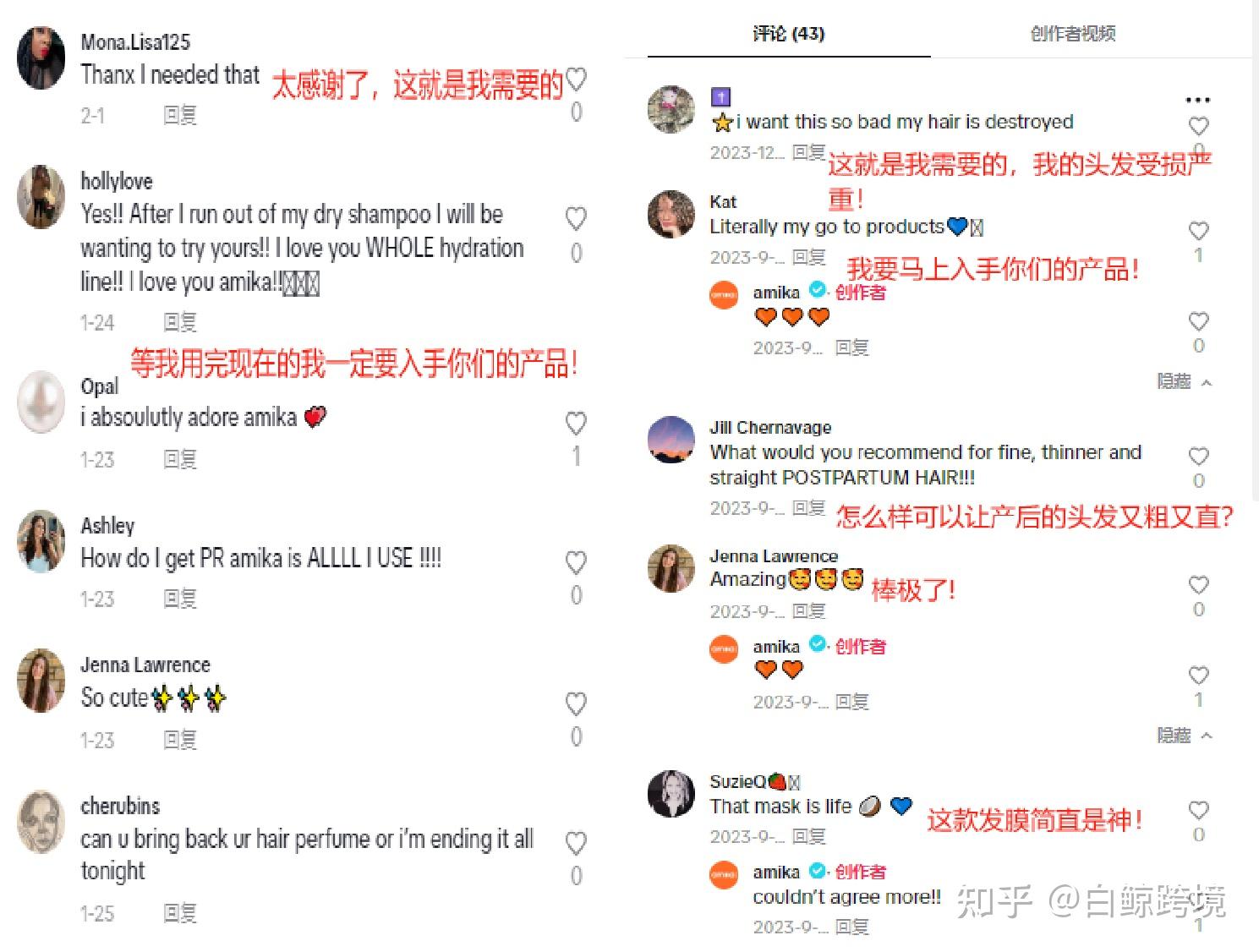
Two techniques consistently surface creators that automated tools miss. First, commenter mining: find videos where creators are discussing products in your category, then scroll through the comments to identify accounts that are asking buying questions or offering recommendations. These commenters are often micro-influencers or enthusiastic users who have built small but engaged audiences around product interest.
Second, niche community and hashtag layering: instead of searching one broad hashtag, layer two or three specific ones together. A search for #cleanskincare combined with #vegan will yield very different results than either hashtag alone, and the overlap creators are often deeply embedded in specific product conversations.
Evaluating Creator Fit Before You Reach Out
The discovery phase feels productive because you’re accumulating options. But accumulating options is not the same as finding the right partners. Most teams spend too long building lists and not enough time filtering those lists before they ever send a single outreach message.
What Metrics Actually Matter for Product Collaboration
Follower count is the metric most teams default to, and it’s the least useful starting point for product-focused collaborations. A creator with 500,000 followers and a 1.2% average engagement rate is telling you their audience scrolls past their content. A creator with 45,000 followers and a 9% engagement rate is telling you their audience actually watches, comments, and buys. Engagement rate relative to follower count reveals whether an audience is real, present, and responsive.
Beyond engagement, audience demographic overlap matters more than most discovery guides admit. You need to know whether the people watching a creator’s content match the people likely to buy your product. Look for creator analytics that show age ranges, geographic distribution, and purchase behavior patterns.
Content quality and posting consistency round out the practical metrics. A creator who posts twice weekly with production quality that feels half-finished signals a brand risk. Conversely, a creator who maintains consistent visual standards and coherent content themes makes your product integration feel natural rather than forced.
Red Flags That Signal a Poor Partnership Risk
Sudden follower growth spikes deserve immediate scrutiny. Organic growth follows a recognizable curve; purchased followers or inflated engagement creates a jagged pattern visible in follower analytics tools. If a creator gained 30,000 followers in three days without a viral video or media mention, that growth is almost certainly artificial.
Content that contradicts your brand values creates reputational risk that outweighs any reach advantage. A creator who regularly produces clickbait, makes misleading claims, or associates with controversial content will transfer that association to your product.
Low engagement relative to comment quality also warrants attention. Some creators buy likes but not comments, so a video with 50,000 likes but six generic comments reads as manufactured engagement. Real audiences leave specific, varied responses. Fake engagement leaves a pattern of identical or nonsensical comments.
Setting a Research Scope Before You Begin
The most expensive part of creator discovery isn’t the tools or subscriptions—it’s the hours spent in a spreadsheet that never converts to a conversation. Most teams fall into the same pattern: they start researching with clear intentions, then drift into “just one more creator” territory. After two weeks, they have a 200-name list and no outreach. The research became the goal instead of the foundation.
A practical scope depends on your outreach capacity. If your team can handle 15-20 creator conversations per week, a list of 45-60 qualified prospects gives you a three-week pipeline with some buffer for rejections or mismatches. That’s your minimum viable list size. Anything below 40 names and you’ll likely run dry before you finish initial outreach. Anything above 100 and you’re either over-filtering in your criteria or you don’t actually know what you’re looking for yet.
Time-boxing the discovery phase is equally important. Four to five days is enough to exhaust the obvious discovery methods—TikTok search, third-party tools, and manual tactics. After that, diminishing returns kick in hard. Set a calendar reminder, not a completion checklist.
Building Your Shortlist for Outreach
A creator shortlist isn’t a ranked list—it’s a prioritized queue. Sort your candidates into three tiers: high-confidence fits (obvious audience overlap, consistent product-adjacent content), medium-confidence fits (relevant audience but inconsistent posting), and exploratory fits (interesting signal but unclear alignment).
Start outreach with your high-confidence tier. If you can fill your outreach pipeline from that group alone, stay focused there. Only dip into medium-confidence creators when high-confidence options are exhausted or when you need specific audience segments that only they reach. Exploratory tier creators belong in a watch list for future campaigns, not your current outreach cycle.
The decision to stop researching and start reaching out isn’t a feeling—it’s a threshold. You have enough when you have a viable pipeline of high-confidence creators and a time-boxed schedule for outreach. Anything beyond that is scope creep wearing the mask of thoroughness.
Frequently Asked Questions
Can I find creators selling similar products on TikTok without using third-party tools?
Yes. TikTok’s native search combined with the Users filter, trending sounds analysis, and commenter mining can surface a solid shortlist at zero cost. Third-party tools speed up the process and provide additional analytics, but they’re not required for initial discovery.
What follower count should I target when searching for product creators on TikTok?
Follower count matters less than engagement rate and audience overlap. Mid-tier creators (10K-100K followers) often deliver better ROI than mega-creators because they have more authentic engagement and are typically more accessible for partnerships.
How do I know if a creator’s audience actually buys products?
Look for creators who generate comments asking where to buy, who link to products in their bio, or who have posted dedicated product review content in your category. Engagement quality matters more than engagement quantity when predicting purchase behavior.
How long should creator research take before I start reaching out?
Four to five days is the practical maximum for initial discovery. If you don’t have a viable shortlist of 45-60 qualified creators by then, you’ve likely been over-filtering or you need to expand your search parameters rather than extend the timeline.