You’ve run influencer campaigns before. You know the playbook: follower count, engagement rate, DM outreach, gifted product or paid flat fee. So when your CMO asked you to find TikTok creators for your tech brand, you assumed it would be the same process, just on a different platform.
Three months later, you have a roster of creators with impressive subscriber numbers, zero of whom can explain your product without reading from a script or accidentally saying something technically wrong on camera. Meanwhile, a creator with 40,000 followers who actually understands your category is generating more purchase intent in a single video than your entire campaign managed in six weeks.
The problem isn’t that good TikTok creators don’t exist for tech products. The problem is that the discovery process most teams use was built for lifestyle influencers, and it fails spectacularly when applied to technical content.
Why Tech Brands Fail at Finding the Right TikTok Creators
The challenge is not finding creators who want to work with tech brands. The challenge is finding creators who can make technical complexity feel accessible without dumbing it down, and who can hold an audience that expects authenticity over polish.
The Misalignment Between Tech Complexity and TikTok Simplicity
Most tech companies apply the same sourcing logic they use for traditional influencer campaigns. They look at follower counts, overall engagement rates, and broad category relevance. This approach breaks down when applied to TikTok, where the algorithm rewards specific content patterns that rarely overlap with how technology companies present their products.
Tech brands typically want to explain what their product does, highlight technical differentiators, and position themselves as category leaders. TikTok rewards creators who solve problems in under 60 seconds, show genuine reactions, and build parasocial relationships with their audience. When brands force their messaging into TikTok formats without finding creators who can translate between these two languages, the result is content that feels inauthentic to the platform and unconvincing to the technical audience.
The deeper problem is that most tech companies do not have internal teams who understand both the technical product deeply enough to evaluate creator credibility, and the TikTok ecosystem well enough to identify who actually drives purchasing decisions in their target market. This creates a discovery gap where brands either over-rely on surface-level metrics or delegate the search to agencies using generic influencer playbooks.
Why This Matters Now for Technology Companies
Technology buying decisions increasingly happen before formal sales conversations begin. Your potential customers are watching product demos, reading community discussions, and following creators who make technical topics interesting. If your brand is not present in those discovery moments, competitors who are will shape the narrative.
The window for establishing credibility on TikTok within specific technical niches is narrowing as more creators develop expertise and attract dedicated audiences. Brands that wait to see how the platform evolves will find themselves entering crowded spaces where audience trust is already claimed. Acting now means identifying creators who align with your technical positioning while they are still reachable, before their rates increase and their audience loyalty solidifies.
What Separates Effective Tech Brand TikTok Creators From the Rest
Most marketing teams evaluating TikTok creators for tech products make the same mistake: they apply consumer lifestyle influencer criteria to a category that demands different judgment standards. The result is expensive misfires—creators with massive followings who cannot credibly explain a SaaS dashboard, or polished tech reviewers who generate zero purchase intent among your actual target buyers.
Technical Credibility Markers That Actually Matter
Technical credibility on TikTok operates differently than on LinkedIn or a technical blog. You’re not looking for credentials alone—you’re looking for the ability to translate complexity into 60-second content without sacrificing accuracy. The markers that predict this capability are observable before you ever send a brief.
First, examine whether the creator has previously covered your specific technology category or adjacent topics. A creator who has produced coherent content about API integrations, for example, demonstrates the vocabulary and conceptual framework needed for most B2B tech products. This matters more than formal education or past corporate roles.
Second, assess how they handle nuance. Do they oversimplify to the point of inaccuracy, or do they find visual and narrative ways to preserve technical precision? Watch three of their recent videos without sound—if the on-screen graphics, demonstrations, or editing choices communicate meaning independent of narration, you have a creator who thinks visually about technical content rather than just talking at it.
Content Style Fit for Your Technical Product
The distinction between SaaS and hardware products is not cosmetic—it fundamentally changes what “effective” means. SaaS products require creators who can show workflows, interfaces, and outcomes. Hardware products need creators comfortable with physical demonstration, unboxing context, and real-world usage scenarios.
Within those categories, further alignment matters. Enterprise software buyers respond to different messaging tones than SMB customers. Consumer tech purchasers react differently to feature-first versus lifestyle-first framing. A creator whose existing content consistently addresses your buyer persona’s decision-making context will outperform a larger creator whose audience skews elsewhere—even when the subject matter seems relevant.
The practical test: ask any serious creator candidate to explain your product in their own words after receiving a one-page brief. Their response reveals whether they understood your positioning, your audience, and their own ability to translate it. Creators who cannot do this cleanly before a contract are unlikely to do it reliably after one.
Audience Quality Over Follower Count
Engagement rate alone doesn’t tell you whether an audience will convert. In technical niches, a smaller, highly engaged community of practitioners often drives more downstream business impact than a larger general-interest following. Evaluate whether the creator’s audience overlaps with your actual buyer persona—not just their demographics, but their professional context and decision-making authority.
Look for creators whose comment sections reveal technical depth. When viewers are asking follow-up questions about implementation details rather than generic reactions, you’ve found a creator who attracts an audience that takes action.
Where and How to Actually Find TikTok Creators for Your Tech Brand
The reason most tech brand searches for TikTok creators stall isn’t lack of options—it’s lack of direction. Without a clear discovery process, teams waste weeks scrolling through irrelevant feeds or cold-emailing creators who have zero affinity for technical products.
Platform-Native Discovery Methods That Work
TikTok’s own search and discovery tools are underutilized by tech marketers who assume they need external tools to find quality creators. In reality, the platform rewards those who think like users, not buyers.
Start with keyword research specific to your tech category. Search for your product’s technical terminology—not just the brand names, but the problems your product solves. Scroll past the first results page; creators ranking for high-competition terms often have agents managing their partnerships. Look for creators appearing in the second and third pages who have built genuine expertise in your technical space.
Hashtag research reveals the communities already discussing your domain. Tech-adjacent hashtags like #techreview, #software, #saas, or #programming attract audiences with technical interest. If a creator’s existing content demonstrates genuine understanding of the technical concepts your product involves, they’re more likely to communicate your value proposition accurately without requiring extensive briefing.
Cross-referencing between TikTok and LinkedIn adds a verification layer. Many technical creators maintain professional profiles where their actual expertise becomes verifiable. This matters for tech brands where credibility directly impacts campaign effectiveness.
Creator Marketplaces and Agency Resources
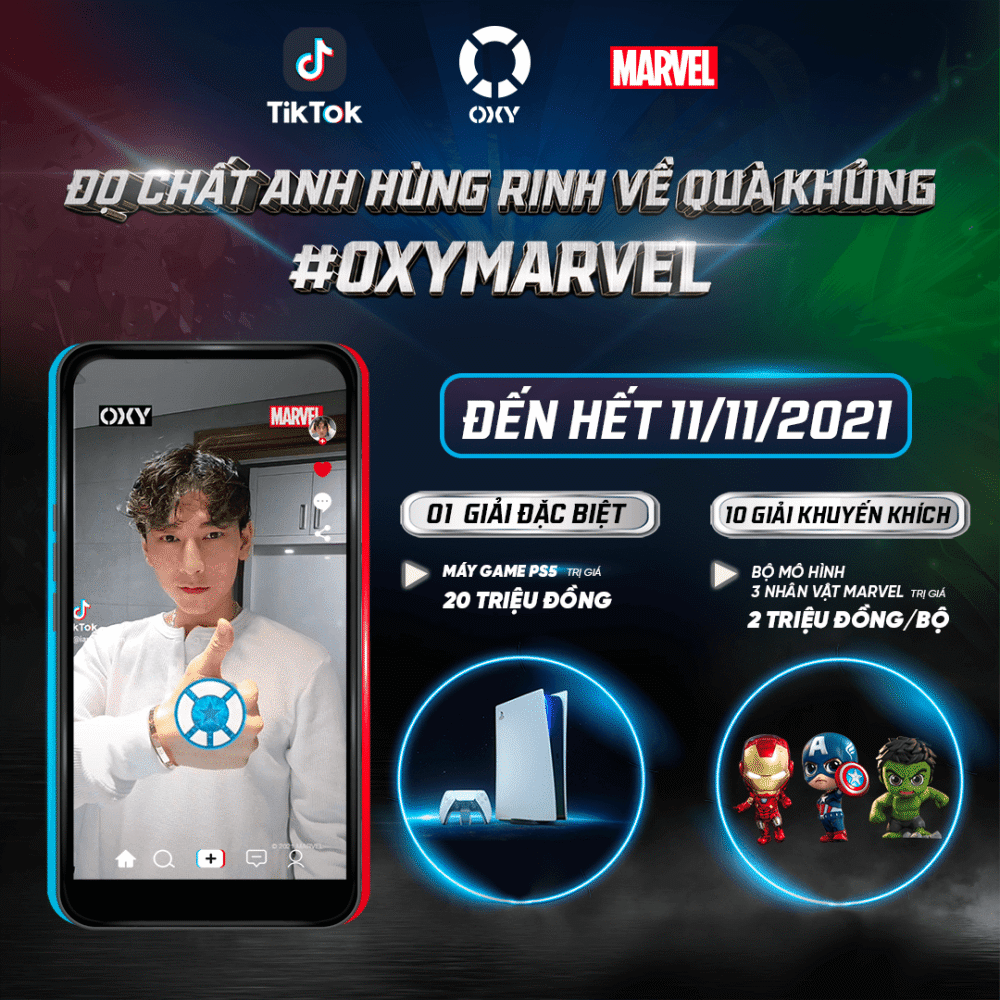
Platforms like Aspire, Influence.co, and TikTok’s own Creator Marketplace aggregate creator data across niches and engagement metrics. These tools accelerate initial discovery and provide standardized performance data, but they favor creators actively seeking brand partnerships—which means higher competition and potentially inflated rates.
Agencies specializing in tech or B2B creator partnerships offer deeper vetting and relationship leverage. They typically work with higher minimum budgets but reduce internal team burden significantly. For tech brands launching their first TikTok creator campaign, agencies provide valuable guidance on realistic expectations and common pitfalls. For teams with established influencer marketing processes, DIY discovery through platform tools and direct outreach delivers better cost efficiency.
The trade-off calculation is straightforward: agency support costs more upfront but saves time and reduces execution risk. DIY search costs more in team hours but yields more granular control and often discovers creators before they appear on marketplace platforms.
Outreach and Vetting Process Before Signing
Before any contract is signed, conduct three verification steps. First, review a minimum of ten recent videos for technical accuracy and audience engagement quality. Second, request performance data directly from the creator—ask for screenshot evidence of metrics rather than relying on platform-provided averages. Third, have your product team watch a sample video and provide feedback on whether the technical representation of your category is accurate and credible.
Red flags include creators who can’t provide audience demographic data, who decline to share past campaign results, or who immediately push for a long-term exclusive contract before you’ve seen how they handle your brief. Legitimate creators understand vetting processes and won’t pressure you into commitments before you’ve assessed fit.
Frequently Asked Questions About Finding TikTok Creators for Tech Brands
What is finding TikTok creators for a tech brand, and why is it different?
When marketers search for ways to find TikTok creators for their tech brand, they’re looking for a repeatable process to identify creators who can translate complex technology into content that performs on a platform built for short-form entertainment. This differs fundamentally from finding lifestyle creators because you need someone who understands your product category, can speak to your audience’s actual pain points, and won’t oversimplify your offering into meaningless noise.
Who benefits most from a structured approach to finding TikTok creators for tech brands?
This approach works best for B2B SaaS companies with products that have visual demonstrations, hardware startups building consumer-facing narratives, and technology companies in crowded categories where differentiation through content matters. Mid-market tech firms—those too small for massive brand deals but large enough to need professional creator partnerships—find the framework most valuable. Enterprise tech companies exploring TikTok for the first time can use these criteria as a foundation, though they should add enterprise-specific vetting layers around compliance and legal review.
This approach is less suitable when your product genuinely resists visual demonstration, when your audience is exclusively enterprise buyers who never use TikTok professionally, or when your regulatory environment makes informal content creation risky. If any of those conditions apply, validate whether TikTok creator partnerships serve your actual business goals before investing in discovery.
How should a team structure the process of finding TikTok creators for their tech brand?
Effective teams separate discovery from selection. Discovery should involve product specialists, not just marketing generalists—your engineers or product managers can quickly identify creators who genuinely understand your category versus those who are faking expertise. Selection should involve marketing and legal together, because the criteria aren’t just audience overlap but also content safety and brand alignment.
A realistic timeline for a first campaign is four to six weeks: two weeks for initial discovery and shortlist creation, one to two weeks for outreach and vetting, and one to two weeks for contracting and briefing before content production begins. Rushing any phase creates risk. Discovering creators without proper vetting leads to partnerships that damage rather than build brand credibility.