Brands launching their first TikTok Shop creator collaboration typically follow the same logic: find creators with large followings, negotiate partnerships, deploy content, and watch the sales roll in. That logic fails more often than it succeeds. The problem rarely lies with bad-faith creators or overpriced deals. It lies in how brands evaluate partnerships versus how TikTok Shop actually converts attention into purchases.
The most common trap is applying awareness-campaign KPIs to a commerce-focused objective. Follower counts, generic engagement rates, and reach metrics tell you how many people saw the content. They tell you nothing about whether those people buy. The gap between engagement and purchase behavior is where good intentions consistently fall apart.
Why Engagement Metrics Mislead TikTok Shop Creator Selection
When brands audit creator performance, surface metrics dominate the conversation. A creator generating thousands of comments, shares, and saves might produce minimal attributable sales. Conversely, a creator with modest engagement can drive disproportionate revenue if their audience skews toward active shoppers rather than passive scrollers.
The root issue is attribution misalignment. Brands accustomed to affiliate marketing often measure creator success by clicks and conversions, but TikTok Shop’s integrated checkout changes the picture. When a viewer watches a live stream, adds a product to their cart during the broadcast, and completes the purchase within the same session, traditional last-touch attribution models often miss the creator’s contribution entirely.
TikTok’s algorithm rewards content that generates watch time, completion rates, and direct engagement. Creators who perform well algorithmically often excel at entertainment value, not purchase intent. Entertainment-driven reach does not automatically translate to commerce-ready audiences. Brands that select creators based purely on engagement metrics without considering purchase-conversion potential set themselves up for disappointment, regardless of how compelling the content strategy sounds in the planning phase.
Understanding TikTok Shop Creator Collaboration
Before diving into execution, teams need clarity on what TikTok Shop creator collaboration actually means—and what it does not. Misunderstanding the model is where most partnerships fracture, often before a single piece of content is created.
Creator-First vs. Brand-First Collaboration Models
The distinction that separates effective collaborations from wasted budget is who drives the creative direction.
In a creator-first approach, the brand identifies creators whose voice, aesthetic, and audience naturally align with the product. The brand provides product access and high-level campaign parameters, but the creator controls how the product appears in content. This model works well for brands seeking authentic discovery moments—content that feels native to the creator’s feed rather than transplanted advertising. The tradeoff is reduced message control, which makes this approach unsuitable for brands with strict regulatory messaging requirements or those launching highly technical products that need precise explanation.
Brand-first collaborations flip this dynamic. The brand provides detailed content guidelines, talking points, and specific placement requirements. Creators execute within these constraints, functioning more like amplified sales channels than independent voices. This model suits product launches with specific positioning, compliance-heavy industries, or campaigns where brand consistency across creator content matters more than individual authenticity.
Many teams default to brand-first without evaluating whether their product and goals actually benefit from that control. The result is stilted content that underperforms because TikTok’s algorithm rewards genuine engagement, not polished commercials.
Key Platform Mechanics Every Team Must Know
Beyond the creative model, TikTok Shop has specific mechanics that affect how creator collaborations function.
Affiliate linking uses native platform tools rather than third-party tracking links. Creators add products from the TikTok Shop catalog directly to their content, and sales are attributed through the platform’s built-in system. This means teams cannot easily compare TikTok Shop performance against other affiliate programs using the same tracking infrastructure.
Live shopping integration allows creators to showcase and sell products during live streams directly within TikTok. This format typically drives higher conversion rates than standard video content because it creates real-time urgency and allows immediate Q&A. However, it requires creators comfortable with live format and brands willing to offer meaningful live-exclusive pricing or bundles.
Commission structures operate on a revenue-share basis. Creators receive a percentage of sales they directly influence. Specific rates vary by category and campaign structure. Teams should clarify commission models before outreach because creators increasingly evaluate partnership profitability across platforms.
Who Should—and Shouldn’t—Invest in TikTok Shop Creator Collaborations
The decision to pursue a TikTok Shop creator collaboration should never be made casually. These partnerships require real investment—not just in creator fees or commission structures, but in coordination bandwidth, content production support, and the operational backbone to convert interest into completed purchases.
Ideal Collaboration Profiles
Successful TikTok Shop creator collaborations share recognizable characteristics. Products that benefit from visual demonstration or personal testimony perform better than commodities that require no explanation—skincare routines, gadget setups, and styling guides translate naturally into purchase intent. Categories where the purchase decision involves research or social validation tend to see stronger conversion through creator touchpoints.
From a business standpoint, brands with sufficient margin to absorb creator commissions while maintaining profitability have more flexibility in partnership structures. Brands that already understand their TikTok audience demographics and have validated some level of content resonance see faster results than those attempting cold audience penetration. The collaboration works best when it amplifies existing momentum rather than building awareness from zero.
Red Flags That Signal Premature Readiness
Certain conditions reliably predict underperformance. Teams should treat these as genuine blockers rather than manageable inconveniences.
Inventory volatility creates the most immediate problems. If products sell out during an active campaign, creators lose reference points for their content and audiences encounter broken purchase paths. This damages both the immediate campaign and future creator relationships.
Absence of brand content guidelines forces creators into generic presentations that lack TikTok-native authenticity. When every creator sounds like a press release, audiences disengage before reaching the purchase stage.
Conversion tracking gaps prevent teams from learning anything useful from the collaboration. Without clarity on which creators and content actually drove purchases, future budget allocation becomes guesswork rather than optimization. Brands that cannot trace TikTok Shop revenue back to specific creators should not launch paid partnerships until this infrastructure exists.
The honest assessment is not whether TikTok Shop creator collaborations work in general—they clearly do for the right brands. The question is whether your specific operational state, product category, and team capacity align with the conditions that enable success. Address the red flags first, then invest with confidence.
Executing a TikTok Shop Creator Collaboration: Step-by-Step
Most teams treat execution as the easy part. After all, you have a strategy, you know what you want—now it is just about finding creators and sending them a brief. That assumption is where collaborations quietly die. The gap between a conceptually sound creator partnership and one that actually moves product lives in execution details: how you brief, who you select, and when you involve creators in the process.
Brief Development That Gets Creator Buy-In
A brief that reads like a legal contract will get you creators who perform, not creators who connect. The best briefs walk a specific line—they give creators the product truth, mandatory disclosure requirements, and a performance baseline, then step back.
Creative freedom parameters need to be explicit about what the brand owns—key product claims, pricing, CTAs—versus what the creator owns: format, tone, execution style. When brands try to script every word, the content reads as advertising rather than recommendation, and TikTok Shop audiences respond accordingly.
Performance baseline communication matters for alignment, not pressure. Share what a successful outcome looks like in your internal metrics, but frame it as context rather than a demand. Creators who understand your conversion reality will build content that addresses it naturally.
Creator Selection: Matching Style to Commerce Goal
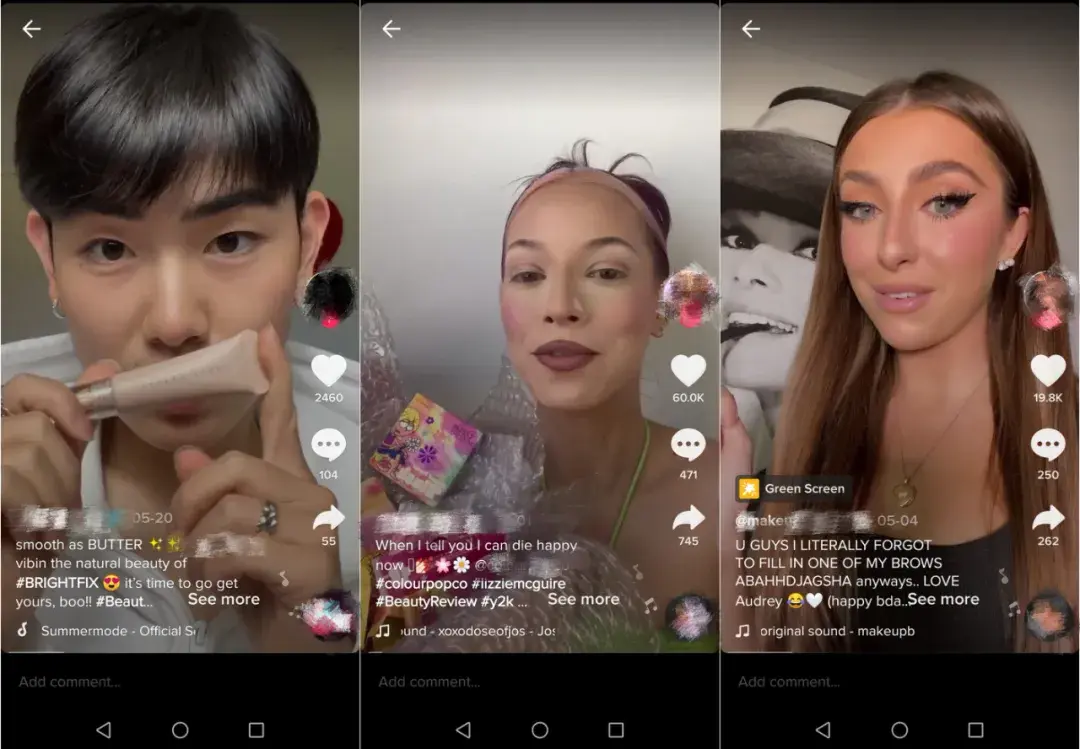
Selection for TikTok Shop creator collaboration is not the same as traditional influencer selection. Surface metrics tell you visibility, not conversion potential. What you actually need is evidence of purchase-intent audience behavior.
Content category alignment comes first. A creator whose regular content demonstrates product review behavior, demo-style explanations, or lifestyle integration of similar products has already done the audience conditioning work. Their viewers expect to see things being sold; they are not being sold to for the first time.
Past collaboration performance review separates professionals from opportunists. Ask directly for prior TikTok Shop results—not vanity metrics, but actual conversion data from partnerships. Creators with legitimate track records will have this information. Those who deflect or provide only follower growth are signaling a pattern worth avoiding.
Activation and Coordination Through Launch
Execution requires more coordination than most brands anticipate. Content review workflows need to account for compliance checkpoints without creating bottlenecks that delay publishing windows. Approval cycles that stretch beyond 48 hours typically indicate misalignment between brand expectations and creator workflow realities.
Live shopping coordination demands real-time attention. Someone from your team should monitor the broadcast, manage product availability, and handle any compliance issues that arise during the stream. Brands that treat live activation as a set-it-and-forget-it exercise consistently underperform compared to those that treat it as a live operations challenge.
Post-Campaign Analysis and Relationship Building
Attribution model selection is the first post-campaign decision. TikTok Shop’s native attribution handles same-session conversions well, but brands relying on third-party tracking will see gaps. If possible, use TikTok Shop’s built-in analytics as the primary source of truth for partnership evaluation.
Creator feedback integration strengthens future briefs. Ask creators what worked, what confused their audience, and what product information they wished they had. This qualitative data often reveals optimization opportunities that pure metrics miss.
Long-term relationship building with high-performing creators compounds results over time. Creators who understand your product, audience, and brand voice become increasingly efficient at driving conversions with each campaign. Treat creator partnerships as relationship investments, not one-off transactions.
Frequently Asked Questions About TikTok Shop Creator Collaborations
What is TikTok Shop creator collaboration and how does it differ from traditional affiliate marketing?
TikTok Shop creator collaboration is a partnership model where creators promote products directly within the TikTok Shop ecosystem using native platform tools. Unlike traditional affiliate marketing, where clicks and external links drive traffic, TikTok Shop collaborations happen within the same platform where discovery, consideration, and purchase occur. This integration changes attribution dynamics, content format requirements, and how creators structure their commercial messaging. Commission structures also differ, operating through TikTok Shop’s revenue-share system rather than standard affiliate tracking.
Who benefits most from TikTok Shop creator collaborations?
Both brands and creators benefit when collaborations are well-executed. Brands gain access to audiences with demonstrated purchase-intent behavior and the social proof that trusted creators provide. Creators gain a monetization channel within their existing platform, plus revenue that scales with actual sales rather than just clicks. The win-win condition exists when the product genuinely fits the creator’s content format and audience interests. When either party forces mismatched products, both lose.
How should an internal team structure its approach to creator collaboration management?
Effective TikTok Shop creator collaboration management requires cross-functional coordination. A dedicated point person should own creator relationships and brief development. Marketing or brand teams should provide content guidelines and compliance parameters. E-commerce or sales operations should handle commission structures and attribution analysis. Finally, someone needs real-time availability during live activations. Small teams can consolidate these roles, but clear ownership prevents the gaps where execution quietly fails.