(Word count around 1200, educational article for new cross-border sellers)
Many new cross-border sellers entering TikTok Shop Southeast Asia and Western markets tend to pour budgets into paid feed ads without understanding the built-in Affiliate Program, missing out on a low-cost cold-start channel. The TikTok Shop Affiliate Program is a standardized creator collaboration system officially launched by the platform, built around a closed loop of three stakeholders: creators, cross-border sellers and the platform. It perfectly fits new sellers’ pain points of limited budgets, zero organic store traffic and lack of in-house content teams. Mastering the roles and underlying logic of each party allows you to avoid costly ad losses and drive consistent sales through commission-only cooperation.

1. Core Logic of Affiliate Marketing: A Coordinated Matching Ecosystem with Three Clear Roles
1.1 Creators: Generate content and earn commissions from verified sales
For grassroots micro-creators widely available across Southeast Asia, the affiliate model removes the need for one-on-one business negotiations, inventory stocking or upfront investment. This is why massive local KOCs are willing to promote products from brand-new stores.
1.2 Cross-border Sellers (Brands): Set commission rates and pay only for actual sales
This post-payment model solves the core budget limitation of new sellers. There are no upfront placement fees or promotional deposits, drastically cutting trial-and-error losses and making it the safest way for new stores to make their first sales.
1.3 TikTok Shop Platform: Neutral official matchmaker regulating the full sales cycle
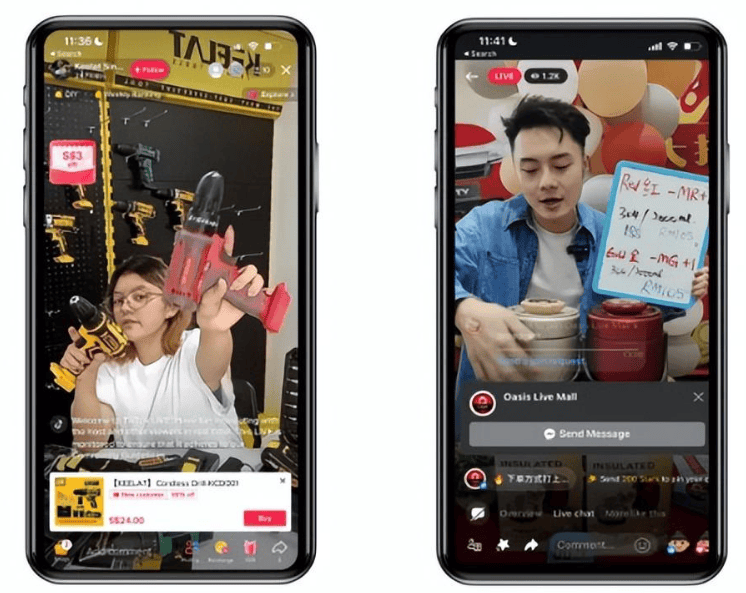
2. Four Core Advantages of Affiliate Marketing vs Traditional Paid Ads for New Sellers
-
Zero upfront investment with controllable risks
Traditional paid ads require pre-recharged budgets and consume funds regardless of sales volume. Affiliate marketing only charges commissions upon successful orders. New sellers can test the waters with just a few essential SKUs without extra marketing expenditure, suitable for small trial budgets.
-
Continuous free organic exposure from long-term UGC content
Once products join the affiliate pool, all regional creators can select and promote them voluntarily. Creator videos stay visible on the platform indefinitely, generating sustained free organic traffic, unlike paid ads that stop delivering views once budgets run out.
-
Trust-based content drives higher conversion and lower return rates
Gen Z and Southeast Asian local shoppers resist intrusive hard-sell ads and trust authentic real-life reviews from ordinary creators. Affiliate UGC aligns audience expectations with actual product performance, resulting in lower return rates and healthier gross margins for stores.
-
Lightweight operation manageable by single-person teams
The affiliate backend features a straightforward interface. Enabling affiliate access, uploading products and setting commission tiers form the complete basic setup. No professional ad operation team is required, making it accessible for part-time solopreneurs and small new stores.
3. Three Standard Steps for New Cross-border Sellers to Launch Affiliate Campaigns
Step 1: Activate affiliate access and select qualified products for the pool
Step 2: Set tiered commission rates aligned with regional market benchmarks
Step 3: Combine passive organic promotion with active creator outreach
Frequently Asked Questions for New Sellers
A: No activation fees, recurring service charges or mandatory deposits apply. Commissions are only deducted when valid sales are generated, so there is zero upfront risk for new sellers.
A: The platform handles full automatic settlement. Once orders are marked received, the system separates product revenue and commissions, distributing creator payouts without manual work from sellers. However, manually tracking creator fulfillment, sales performance and return data via spreadsheets easily causes messy records. Tools such as Dami automatically archive full-cycle data of affiliate creators for clear, error-free reconciliation.
A: Organic creator picks can help new stores make initial sales, yet growth remains slow and capturing high-performing creators is inefficient. To scale faster, balance passive traffic with proactive creator recruitment. Dami supports automated mining of high-converting affiliate KOCs promoting competing products, filters underperforming creators in bulk and sends mass outreach invitations to cut cold-start timelines drastically.
A: The most common pain point is disorganized creator management: repeated cross-store outreach, creators receiving free samples without posting content, and loss of high-value creator contacts. Simple spreadsheets fail to build long-term creator assets. Dami enables tiered filing of affiliate creators, automatic fulfillment tracking and cross-store creator deduplication, helping new sellers accumulate exclusive creator resources and generate lasting marketing compound interest.
A: Avoid goods with complex after-sales procedures, high transit damage rates, gross margins below 10% or homogeneous items lacking price advantages. Creators have little motivation to promote these products, which also trigger high return rates and hurt store rankings — even operational tools cannot deliver strong ROI for such SKUs.