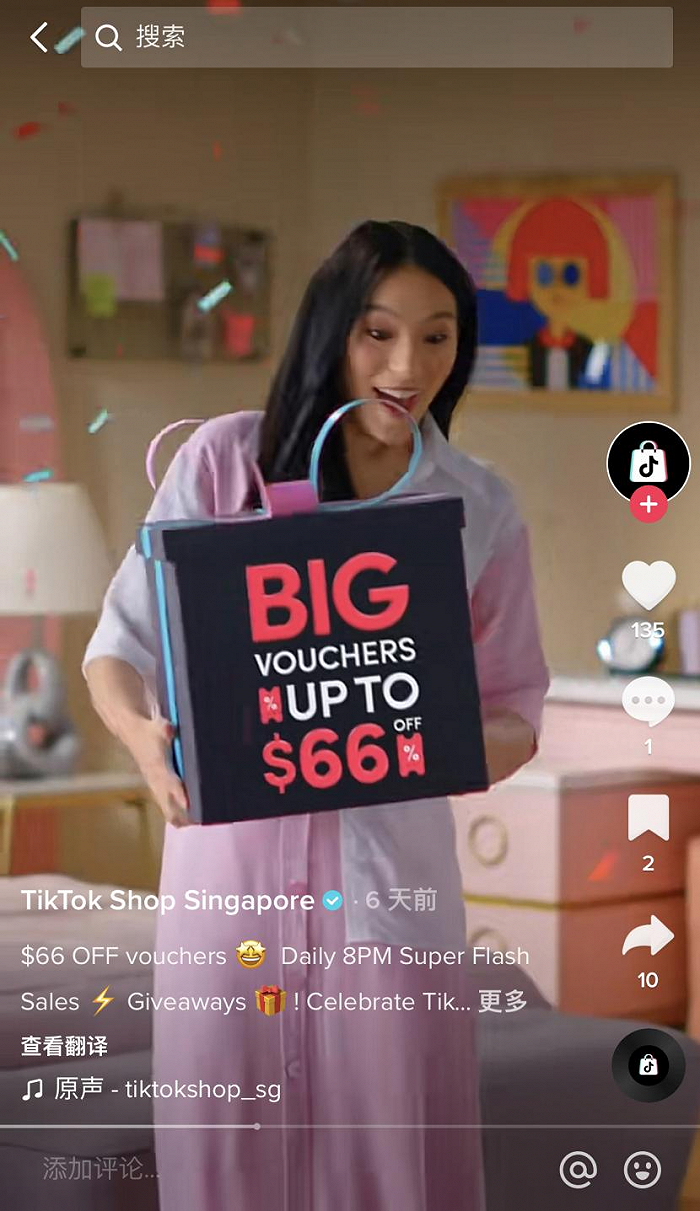
Most brands approach TikTok Shop creator discovery the way they approached Instagram three years ago: find the accounts with the biggest numbers, send the pitch, hope the reach translates to revenue. It rarely does. The brands that actually move product on TikTok Shop discovered something counterintuitive early—their best performers often had modest followings, mediocre engagement rates, and zero celebrity cache. The platform rewards a completely different type of creator behavior, which means the discovery process has to start from scratch.
Why Follower Counts Fail You on TikTok Shop
A creator can accumulate 800,000 followers posting comedy sketches and lifestyle vlogs, then post a single product showcase that generates almost no purchases. The audience followed for entertainment. When the content shifts to commerce, that audience doesn’t follow. They’ve never trained themselves to buy from this person.
The engagement-to-sales gap is where most discovery processes break down. Brands pull creator lists sorted by follower count, filter for engagement rates, and build outreach campaigns around metrics that look impressive in dashboards but fail to predict purchase behavior. They end up with creators who create content that people enjoy watching but never move viewers toward a transaction.
TikTok Shop’s algorithm ranks and surfaces creators based on completed purchases attributed to their content. The platform is fundamentally transactional. It monetizes through commerce, not advertising, which means the algorithm privileges creators who generate actual sales, not creators who generate views. Effective TikTok Shop creators treat their account like a storefront. They showcase products naturally within their content style. They demonstrate usage in real contexts. They create the kind of material that answers the question a viewer didn’t know they had until the video planted it.
Three Paths to Discovering TikTok Shop Creators
The discovery path you choose shapes everything downstream—your time-to-first-outreach, your cost-per-qualified-contact, and ultimately whether you build a sustainable affiliate pipeline or burn budget chasing the wrong profiles. Most brands default to whichever method appears fastest, only to discover weeks later that they have a list of inactive accounts or creators with zero intent to sell.
Path 1: TikTok Shop Affiliate Marketplace
The native Affiliate Marketplace lives inside TikTok Shop Seller Center and aggregates creators who have opted into product promotion. Accessing it requires an approved seller account, then navigating to the Creator Marketplace tab where you can filter by category, follower range, and performance tier.
What actually works: filtering by recent content volume rather than follower count. Creators who post three to five times weekly are far more likely to respond to outreach than dormant accounts with inflated follower numbers. The time investment to first qualified contact typically runs two to five business days, assuming you dedicate focused attention to the search rather than passive browsing.
The honest limitation is that the marketplace shows only creators who have already registered with TikTok Shop. You’ll miss creators who sell effectively through other channels but have not yet activated their TikTok Shop affiliate status. For niche categories with thin creator density, this gap can be significant.
Path 2: Direct Outreach Through Manual Discovery
The DIY approach means finding creators through hashtag research, competitor following, and manual discovery on the For You Page. The advantage is access to the full creator ecosystem, not just those already enrolled in TikTok Shop.
Where most teams stumble: contact information. Creator bios frequently link to business emails or agency contacts rather than direct outreach addresses. Expect a response rate between five and fifteen percent when cold-emailing creators who have not previously indicated openness to brand partnerships. Response rates improve substantially when you reference a specific piece of their content rather than sending generic templates.
Distinguishing genuine sellers from hobbyists requires looking at whether they include product links, speak in conversion-oriented language, and maintain consistent posting cadences. Hobbyist creators may have engaging content but lack the operational infrastructure to manage orders, returns, and performance reporting.
Path 2 demands more upfront time—expect four to eight weeks to build a qualified pipeline—but yields creators outside the TikTok Shop ecosystem who bring existing selling habits and commercial motivation.
Path 3: Third-Party Creator Platforms
Platforms like Aspire, Influence.co, and Creator.co aggregate creator data across multiple social commerce channels. They offer search filters, audience demographic data, and sometimes historical performance metrics. The value proposition is efficiency: faster discovery with richer data signals.
The tradeoff is cost and coverage gaps. Most platforms charge subscription fees or take a commission on finalized partnerships. More importantly, the creator data may lag current performance—important for fast-moving TikTok creators whose metrics fluctuate significantly. Vet any platform against recent creator testimonials and performance proof points before committing.
Evaluating Whether a Creator Will Deliver Real Results
Finding a TikTok Shop creator and finding one who actually moves product are two very different challenges. Before you send a single DM or submit a partnership request, three checkpoints determine whether a creator deserves your attention.
Checkpoint 1: Content-to-Commerce Ratio
Scroll through a creator’s recent posts and count how many include product links, shopping tags, or direct purchase behavior. If fewer than 20% of their recent content drives commerce, they’re likely optimizing for views rather than sales. That’s a meaningful distinction. Creators who treat TikTok as a storefront dedicate meaningful real estate to product showcases. Those who treat it as an entertainment platform don’t.
Checkpoint 2: Audience Overlap
The brands that waste money on creator partnerships almost always share one trait: they pick creators based on follower counts rather than audience alignment. Before reaching out, map the creator’s follower demographics against your customer profile. Significant gaps mean your message won’t resonate even if the creator’s delivery is excellent. Gender, age, geographic distribution, and interest clusters matter more than raw audience size.
Checkpoint 3: Return Customer Behavior
The strongest TikTok Shop creators build loyal buyer bases rather than one-time purchasers. Look for creators whose audience demonstrates repeat purchase behavior, either through comment patterns mentioning previous buys or through engagement on product-focused content that clearly converts. Repeat buyers indicate trust, which is the currency that drives TikTok Shop commerce.
Metrics That Actually Matter (and Ones That Don’t)
Follower count is the metric most brands obsess over and the one that matters least for TikTok Shop performance. What replaces it? Start with engagement rate, but interpret it carefully. A 3% engagement rate means something entirely different for a cooking creator versus a fashion creator. Context matters more than the number itself.
TikTok Shop ratings are underused and genuinely informative. Unlike general engagement metrics, verified purchase ratings reflect actual buyer satisfaction. A creator with a 4.7 rating from hundreds of transactions tells you more than a million followers and no commerce history.
When possible, ask for conversion data directly. The creators willing to share anonymized performance reports from past brand partnerships demonstrate transparency that correlates with professional reliability. Creators who deflect questions about past results are signaling something you should pay attention to.
The Scale Trap: Why More Followers Don’t Equal More Sales
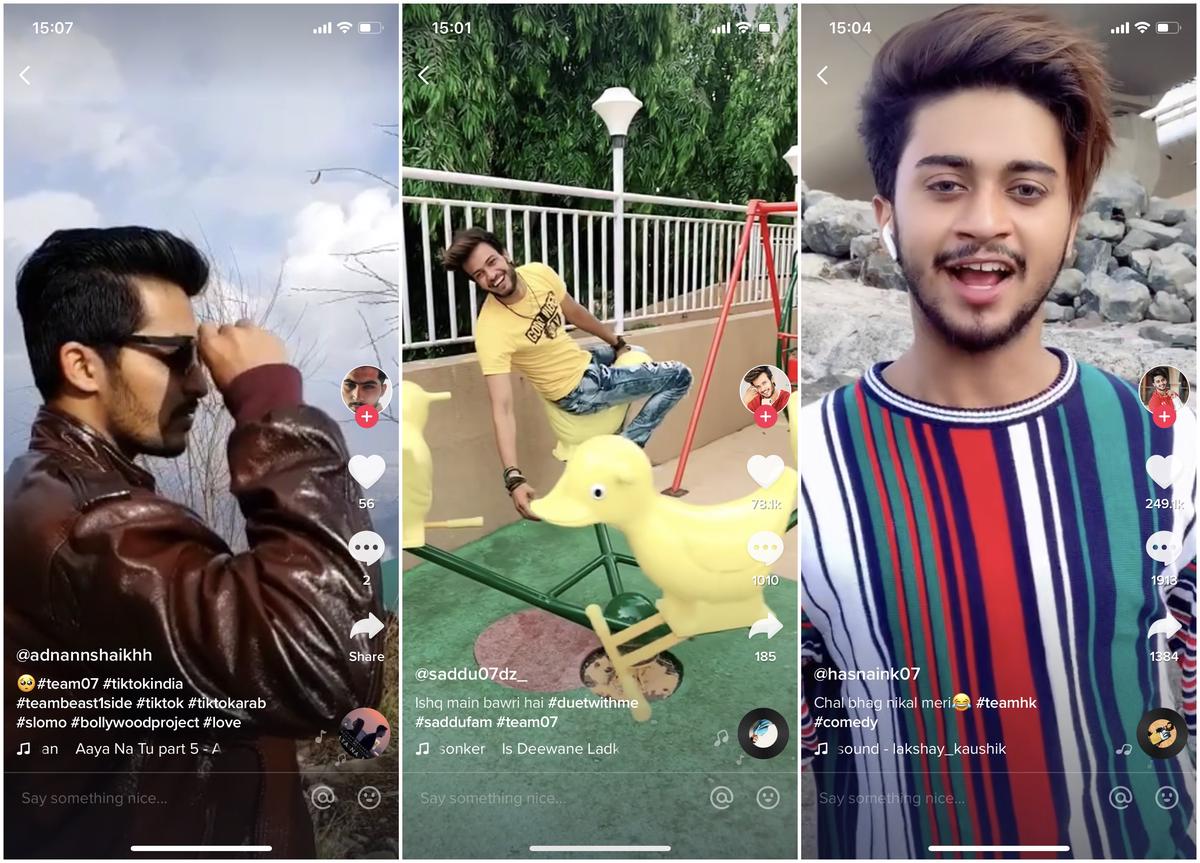
A macro creator with 500,000 followers may generate fewer actual sales than a nano creator with 15,000 because TikTok Shop rewards community trust, not celebrity. The platform operates on the psychology of “my favorite creator recommended this,” not “I saw an ad from a famous person.”
What actually scales on TikTok Shop is authenticity density. Nano and micro creators typically have higher engagement-to-impression ratios and stronger conversion behaviors because their audiences chose to follow based on genuine interest, not algorithmic reach. When you layer multiple authentic voices onto a product, the combined social proof compounds in ways that a single macro partnership cannot replicate.
The practical boundary here is honest capacity assessment. Don’t launch a creator program that outpaces your team’s ability to manage relationships, review content, and analyze performance data. A focused program with twelve engaged creators beats a scattered program with sixty creators you cannot properly vet or support.
Execution Costs Most Brands Forget to Budget
Beyond creator commissions, the operational costs that destroy ROI are the ones nobody talks about in the pitch. Product seeding is the first trap. If your product requires physical samples, factor in shipping, handling, and replacement inventory for creators who never post. Many brands budget only for the successful posts and get caught off guard when a significant percentage of seeded products never produce content.
Content revision cycles represent the second hidden cost. Smaller creators often need more guidance and more rounds of feedback before content meets your brand standards. Larger creators may demand approval rights that slow your campaign cadence. Neither scenario is inherently wrong, but both require time investment that doesn’t show up in commission-only budgeting.
The third cost layer is platform fee structure. TikTok Shop charges commissions on sales, and creator commissions sit on top of that. Brands that work backward from retail price without accounting for these layers end up with negative margins on products that technically “sold well.”
Frequently Asked Questions About Finding TikTok Shop Creators
What’s the fastest way to find TikTok Shop creators?
The TikTok Shop Affiliate Marketplace offers the quickest path to first outreach—expect two to five business days to first qualified contact if you focus your search on active content volume rather than follower counts. However, this path is limited to creators already enrolled in the program. For broader coverage, manual discovery takes longer (four to eight weeks to build a qualified pipeline) but accesses the full creator ecosystem.
Who should use a DIY approach versus hiring an agency?
Teams with fewer than three dedicated social commerce staff should start with the Affiliate Marketplace or third-party platforms. The time investment for manual outreach requires dedicated focus that small teams rarely have. Consider moving to agency support when you’re managing more than twenty active creator relationships or when your product category has specialized compliance requirements that demand experienced handling.
How should a brand team structure their creator outreach process?
Assign one team member as the primary outreach coordinator responsible for initial contact and relationship tracking. A separate reviewer should handle content approval to maintain quality standards without bottlenecking communication. Establish a performance review cadence of every two weeks during active campaigns—TikTok Shop performance moves quickly, and monthly reviews miss important optimization windows. Document creator communication templates and performance benchmarks so the process doesn’t depend on institutional memory.
What budget should brands allocate for creator discovery and management?
Beyond creator commissions (typically 10-20% of attributed sales), budget 15-20% of your total creator program spend on operational costs: product samples, content revisions, platform fees, and team time. Brands that plan only for commissions consistently underperform because they can’t properly support the creators they’ve signed.