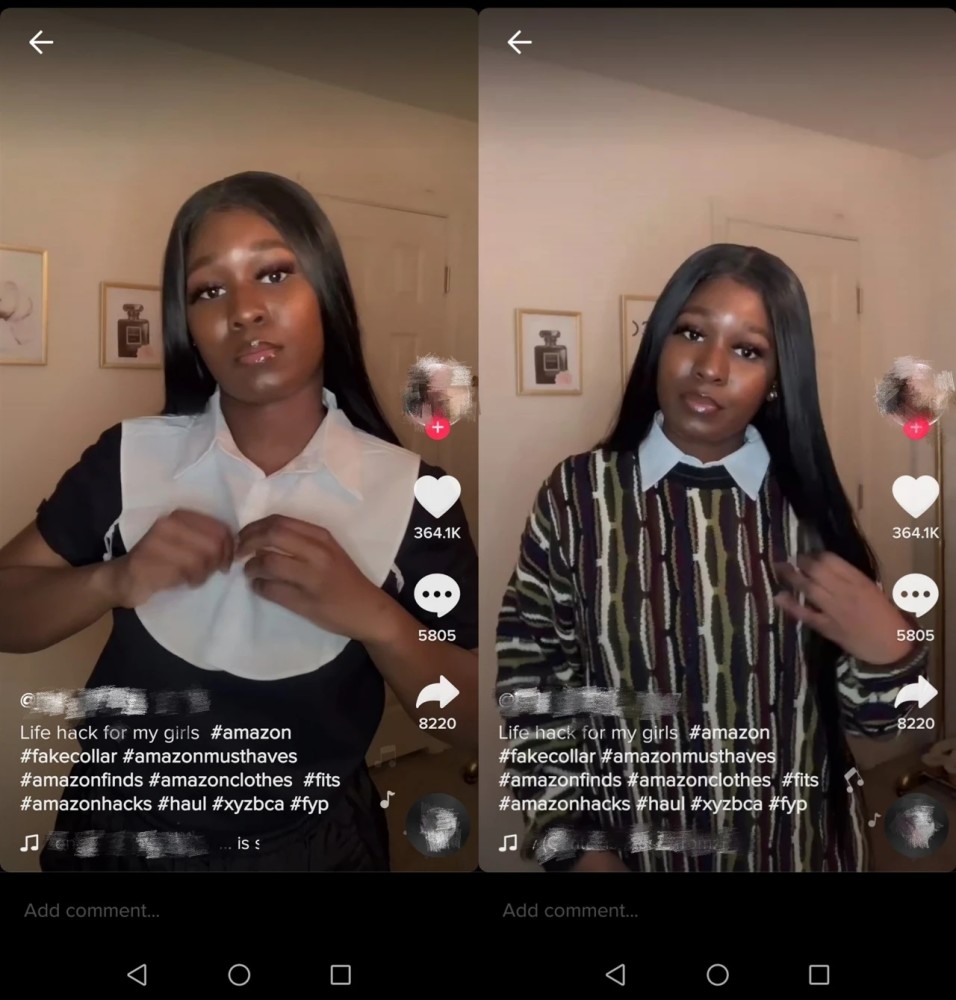
Most apparel brands approach TikTok creator partnerships the way they approached Instagram influencer deals five years ago: find someone with a large following, send them product, hope for the best. That playbook is broken, and the failure rate is higher than most marketing teams realize.
The challenge isn’t finding creators who will post about your brand. The challenge is finding creators who will post in a way that actually moves your target customer toward a purchase decision. Finding TikTok creators for an apparel brand means identifying content creators whose audience, aesthetic, and communication style align with your product positioning and then structuring a partnership that delivers authentic content without blowing your acquisition budget. It sounds straightforward. It isn’t.
The platform rewards creators who understand local cultural moments, and apparel purchasing decisions are deeply personal and style-specific in ways that make generic reach worthless.
What Most Brands Get Wrong From the Start
The most common mistake is letting follower count drive the entire shortlisting process. A creator with 800,000 followers in the general fashion space may deliver worse results than someone with 45,000 followers who consistently creates content for petite professional women if that’s your actual customer segment. Apparel categories fragment along body type, style preference, price sensitivity, occasion use, and geographic fit. The algorithm serves content to specific interest clusters, not to everyone who follows a creator.
Brands also underestimate the cost of misaligned partnerships. A single poorly-matched campaign can damage brand perception in a specific demographic you were trying to reach, require cleanup content to address, and consume budget that could have generated measurable revenue elsewhere. The visibility of TikTok amplifies both successes and failures. When a creator’s audience perceives a sponsored post as inauthentic, the engagement collapse is immediate and public.
The operational reality is that finding TikTok creators for apparel requires research depth, evaluation discipline, and contractual clarity that most teams don’t initially allocate time for. The brands that get this right treat it as a strategic sourcing function, not an outreach task.
A Step-by-Step Process to Identify and Approach TikTok Creators for Apparel
The common mistake most apparel brands make is jumping straight into creator searches before they’ve clarified what they’re actually trying to accomplish. Without defined audience parameters and content goals, you’ll end up with a scattered list of creators who don’t align with your brand voice or your customers’ expectations. The time you save by skipping this step will cost you multiples in wasted outreach and misaligned partnerships.
Define Your Audience and Content Goals First
Before opening any creator database or hashtag research tool, establish who you’re trying to reach and what action you want them to take. For apparel brands, this typically means defining demographic parameters: age range, geographic focus, style preferences, and purchasing behavior. Are you targeting budget-conscious Gen Z shoppers who respond to authenticity, or professional millennials interested in capsule wardrobe investments? These distinctions fundamentally change which creators make sense for your campaign.
Content goals should be equally specific. Outfit hauls work differently than styling tips, which work differently than user-generated content campaigns. Each format attracts different creator types and audience expectations. A creator who excels at quick, trendy outfit transitions won’t necessarily deliver the detailed product demonstrations that a higher-consideration purchase requires.
Where and How to Find TikTok Creators Who Fit Apparel
With your audience and content parameters locked in, you can now approach creator discovery strategically. Start with the TikTok Creative Center for trending content analysis and creator performance data. Complement this with niche hashtag tracking to surface smaller creators building authentic communities around specific fashion interests.
The critical filtering principle is engagement quality over follower count. A creator with 15,000 highly engaged followers in your niche will consistently outperform one with 150,000 followers and minimal interaction. Look for creators whose audience genuinely comments on and shares their content rather than passive viewers. These creators have the trust and relationship with their community needed to drive meaningful action.
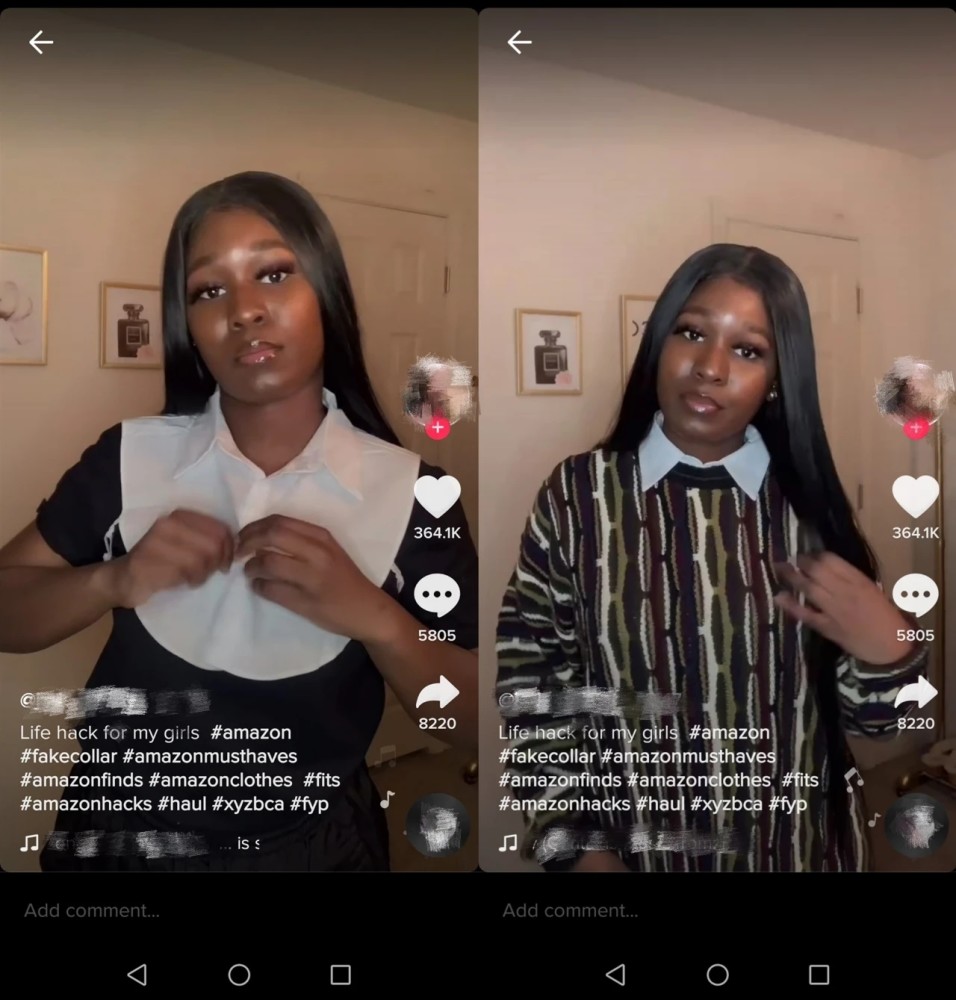
When evaluating candidates, check for authentic engagement patterns, assess aesthetic and values alignment with your brand, and verify their content strategy matches your campaign objectives.
How to Evaluate and Shortlist Candidates
Once you’ve identified potential creators, apply a consistent evaluation rubric before reaching out. Look at their average engagement rate relative to their follower count—creators with engagement rates above 3% in the fashion niche typically have more active communities. Check for signs of purchased followers: sudden follower spikes, engagement that doesn’t match follower count, or comments that feel generic and templated.
Beyond the numbers, watch several of their recent videos without sound to assess production quality. Read through comment sections to understand what their audience actually cares about. If the comments are questions about where to buy the items shown, that’s a strong purchase-intent signal. If the comments are mostly emoji or generic praise, the audience may be less commercially focused.
Outreach, Negotiation, and Contract Essentials
When you’re ready to reach out, lead with specifics about why you chose this creator and how your product fits their content style. Creators receive dozens of generic pitches daily; a personalized approach that references their actual content stands out.
Collaboration models vary in cost and control. Gifted partnerships (free product in exchange for posts) work for initial testing but offer limited campaign control. Paid collaborations give you more input on content direction. Affiliate models shift risk to performance-based payouts, which can be advantageous when you’re unsure about conversion potential.
Before signing any agreement, clarify content usage rights—can you repurpose the content for ads? What about use in email marketing or paid social? Exclusivity clauses deserve careful scrutiny; overly restrictive terms can limit your ability to work with other creators in the same niche.
Creator Types Compared: Micro vs. Mid-Tier vs. Macro for Apparel Campaigns
Before you build a creator list, you need to know what you’re actually buying. Follower counts look simple on paper, but the performance gap between creator tiers in apparel is real, measurable, and often counterintuitive. Understanding which tier serves your current campaign goal is the difference between burning budget on reach you’ll never convert and leaving conversions on the table with an audience too small to move the needle.
When Micro Creators Actually Outperform for Apparel
Micro creators—typically defined as those with 10,000 to 100,000 followers—often deliver the highest engagement rates in niche apparel categories. Their audiences tend to cluster around specific style identities, body types, or lifestyle segments rather than broad interest groups. This means a micro creator who regularly posts about modest workwear reaches a concentrated buyer intent pool that a macro creator’s general fashion audience simply cannot match.
The cost structure also favors micro creators when you’re testing product-market fit or expanding into a new subcategory. You’re not paying for reach you’re not ready to capitalize on. The tradeoff is that micro creators typically lack in-house production quality and may require more art direction, which adds indirect costs that smaller teams often underestimate.
The Mid-Tier Sweet Spot: Balancing Reach and Authenticity
Mid-tier creators in the 100,000 to 500,000 range hit a performance sweet spot for apparel brands running sustained campaigns rather than one-off product drops. They’ve typically developed enough production capability to deliver brand-ready content without extensive art direction, while still maintaining audience trust that erodes sharply at the macro level. The authenticity gap between mid-tier and macro creators is where most apparel brands feel the performance difference most acutely.
The real risk with mid-tier is audience overlap. If you’re running multiple creator partnerships, there’s a good chance several mid-tier creators share a meaningful segment of their audiences. This dilutes incremental reach and makes attribution more complicated than it appears in campaign dashboards.
When Macro Creators Make Sense (and When They Do Not)
Macro creators above 500,000 followers become a media buy, not a creator partnership. They make sense when your campaign goal is measurable brand awareness at scale—typically during a product launch with strong retail distribution or a seasonal campaign where you need to drive top-of-funnel visibility quickly. The conversion math rarely works for direct response objectives unless you’re selling high-volume, low-consideration items with proven funnels.
Before committing to macro fees, verify that the creator’s audience demographics align with your actual buyer persona, not just your target demographic. Many macro creators have inflated follower counts from broad content diversification, meaning their apparel-interested subset may be far smaller than the total audience suggests.
FAQ: Finding TikTok Creators for Apparel
What is the best way to find TikTok creators for an apparel brand?
The most effective approach combines audience-first scouting with systematic evaluation. Start by defining your target customer—not just demographics, but their lifestyle, aesthetic preferences, and the content formats they actually engage with. Then use TikTok’s native search and discovery tools, niche-specific hashtags, and competitor monitoring to surface creators whose existing content aligns with your brand positioning. The critical distinction is prioritizing engagement quality over follower count: a creator with 15,000 highly engaged followers in your style niche will consistently outperform a mega-influencer with misaligned audience demographics.
Who is this approach best suited for?
This framework serves three primary team types. In-house marketing teams at growing apparel brands (typically with 1-3 people managing creator relationships) benefit most from the systematic shortlisting process, which prevents decision fatigue and reduces reliance on outreach volume. Smaller agencies managing multiple apparel clients use the evaluation criteria as a scalable audit tool. Early-stage founders launching their first creator campaign gain the most from the contract and negotiation guidance, which helps avoid costly mistakes that could derail their limited budget.
How should a team approach finding TikTok creators for apparel?
Begin with internal alignment before any external outreach. Document your campaign goals, audience personas, and success metrics across all stakeholders—this prevents scope creep later and ensures everyone evaluates creators against the same standards. Then execute a two-track workflow: one team handles discovery and initial outreach while another manages candidate evaluation and contract negotiation. The mistake most teams make is collapsing these into one track, which leads to rushed evaluations and poor-fit partnerships.
What budget should an apparel brand allocate for TikTok creator partnerships?
Budget allocation depends heavily on your collaboration model. Gifted partnerships work for entry-level testing but offer limited campaign control. Paid collaborations range from modest micro-creator fees to substantial mid-tier investments. Affiliate models shift risk to performance-based payouts. Before finalizing any budget, verify current market rates through creator marketplaces or industry benchmarks—creator fees fluctuate based on platform trends, seasonal demand, and niche competition.
How do you measure success of TikTok creator campaigns for apparel?
Effective measurement requires tracking three KPI tiers: engagement metrics (saves, shares, comments) indicate content resonance with the creator’s audience; click-through rates reveal whether viewers are moved to action; attributed sales determine actual revenue impact. Be aware of attribution boundaries—TikTok’s attribution window limitations and cross-device tracking gaps mean reported conversions often undercount true campaign value. Use multi-touch attribution where possible, but always acknowledge the margin of error in your reporting.