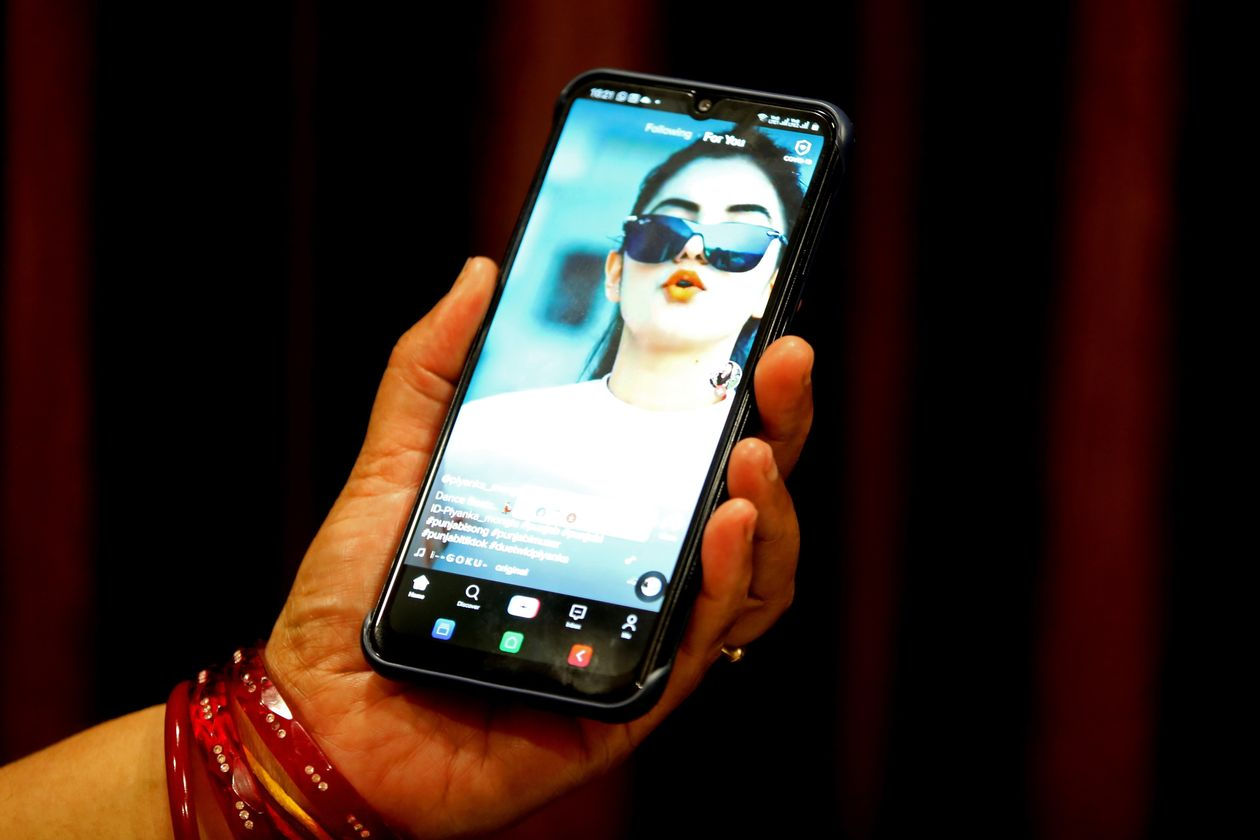
Most tech companies approach TikTok Shop creator outreach the same way they approached Instagram influencer campaigns five years ago: find creators with large followings, send products, hope for sales. This approach fails more often than it succeeds, and the reasons reveal something fundamental about how TikTok Shop differs from other commerce channels.
Why Most Tech Brands Get This Wrong
The core mistake is treating creator selection as a follower-count problem rather than an audience-trust problem. Tech products require creators who can credibly evaluate specifications, demonstrate functionality, and answer the skeptical questions that technically-minded viewers ask in comments.
Creator Type Must Match Product Complexity
A lifestyle creator with two million followers may generate impressive engagement metrics for fashion or beauty, but their audience has different expectations when a gadget appears in the feed. Tech audiences follow creators specifically because those creators demonstrate expertise and honest evaluation. When brands match complex products with creators who lack technical credibility, the result is content that feels promotional rather than informative.
Comments reveal this gap immediately. Viewers ask pointed questions about specifications, compatibility, and real-world performance. If the creator cannot answer credibly, trust collapses—and the algorithm registers low engagement relative to impressions, which reduces distribution.
Platform Dynamics Change the Value of Creator Partnerships
TikTok Shop rewards content that generates fresh discovery. The platform can surface creator content to users who have never encountered the creator before, based on interest signals and engagement patterns. This means a creator with modest but highly engaged followers in a specific niche often outperforms a creator with passive mass appeal.
The engaged niche audience generates the early signals that tell TikTok to distribute content more broadly. Brands that optimize purely for follower count miss this dynamic entirely. Outreach timing matters because creator content performs best when it aligns with platform content cycles and trend patterns.
Who Should Invest in TikTok Shop Creator Outreach for Tech
Before allocating budget, teams need an honest answer about whether their situation warrants this investment. TikTok Shop creator outreach for tech works best under specific conditions. Forcing it into the wrong context wastes resources and damages relationships with creators who could become long-term advocates.
Startup vs. Established Tech Brands: Different Approaches
Early-stage startups typically face two constraints: limited budget and an underdeveloped product story. A startup with a genuinely novel product can generate strong creator interest by offering something worth demonstrating, but they rarely have budget for significant upfront fees. Their play is often product seeding combined with revenue-share arrangements. The creators they attract tend to be mid-tier specialists who value early access and authentic novelty over brand prestige.
Established tech companies have more flexibility but face different challenges. They can afford meaningful creator fees, but large brands often struggle with authenticity perception. Creators who normally cover technical content may be skeptical of partnerships with companies that have complicated corporate structures or a history of generic marketing. The practical implication: established brands often need to invest more in creator selection and compensation to attract credible voices who will risk their audience trust.
Product Types Best Suited for Creator-Driven TikTok Shop Sales
The format rewards items that can be understood and appreciated in seconds. Consumer electronics, smart home devices, and wearables typically perform well because they offer clear visual demonstrations and solve relatable everyday problems. These products let creators show rather than explain.
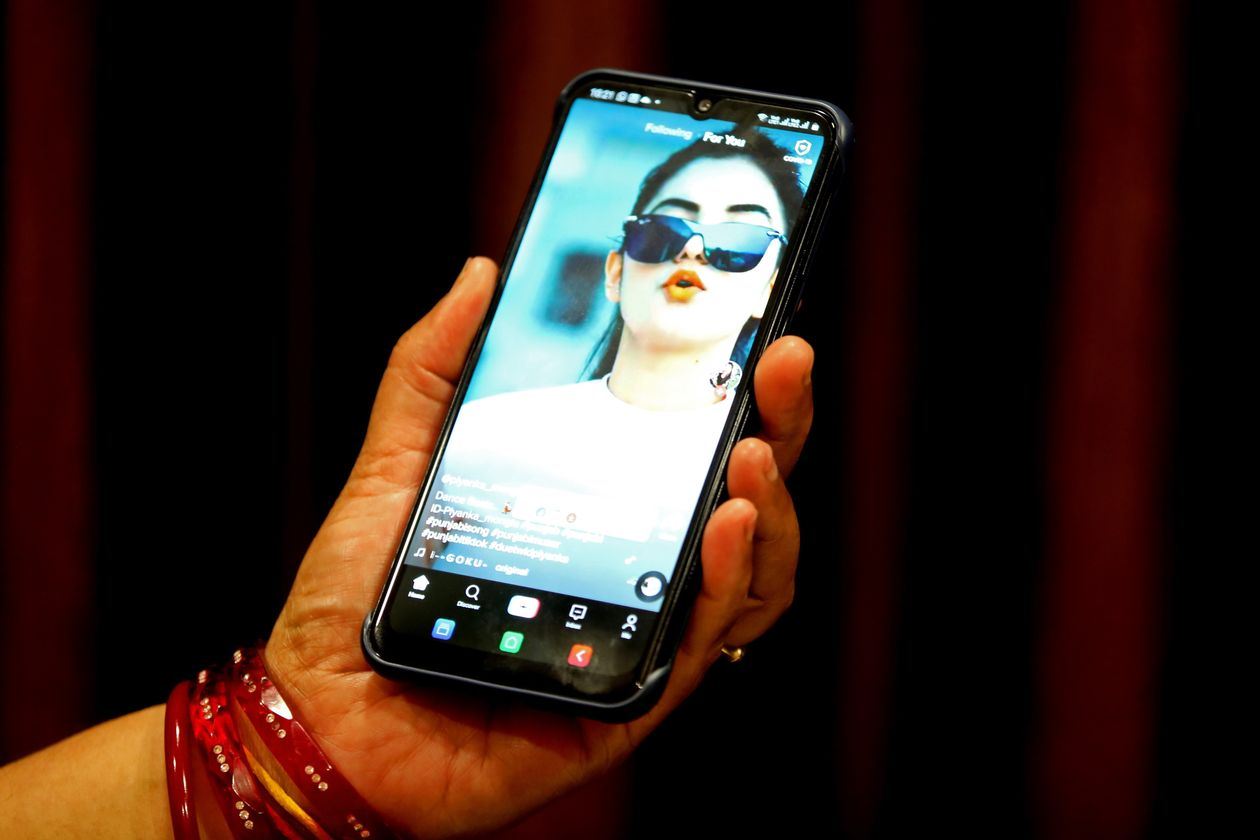
Price point matters more than most teams initially acknowledge. Items priced between twenty and one hundred dollars tend to convert most reliably through creator-driven TikTok Shop content. The purchase decision is low-stakes enough for impulse buying but substantial enough to justify thoughtful content. Above that range, buyers expect more verification, which changes the creator dynamic entirely.
Products that require extensive setup, technical configuration, or have highly specialized use cases generally underperform through this channel. If your product needs a thirty-minute tutorial to explain its basic function, creator-driven TikTok Shop sales will struggle regardless of how much you invest in outreach.
A Practical Framework for Approaching TikTok Shop Creator Outreach
Building Your Creator Shortlist: Filters That Actually Matter
The filters you use determine whether you’re spending budget on creators who can actually sell your product or creators who will produce content that looks good in your performance deck but doesn’t convert.
Audience overlap analysis is the first filter that matters. You’re not looking for creators who cover tech broadly, but creators whose stated audience interests align with your specific product category. A creator with 200,000 followers who covers general lifestyle tech will underperform a creator with 40,000 followers who focuses specifically on your product subcategory.
Technical credibility signals matter more than follower counts for this vertical. Creators with documented experience in your specific product space—whether that’s smartphone photography, PC gaming, smart home integration, or productivity software—have already established the trust framework that makes tech purchasing decisions easier for their audience.
Engagement quality matters more than raw engagement volume. Look at comment-to-like ratios and whether comment threads contain substantive technical discussion. Comments that ask specific questions like “which router are you using” or “what’s your refresh rate” signal a purchase-ready audience far more reliably than generic positive reactions.
Crafting Outreach That Gets Responses From Tech Creators
Tech creators receive high volumes of generic brand inquiries, which means your outreach needs to demonstrate familiarity with their existing content. Reference something specific they’ve reviewed. Compare your product to something they’ve covered. Demonstrate that you’ve done your homework before reaching out.
The most effective outreach framing leads with the value you can provide to their audience, not the access you’re offering to your product. Tech creators care about their audience’s trust, and they know which brands approach creators as distribution channels versus partners who understand their content value.
Compensation discussions should happen early and transparently. Whether you’re offering product seeding, affiliate commission, flat fees, or hybrid structures, having this conversation upfront prevents awkward negotiations later and signals professional respect.
Structuring Partnerships for Mutual Benefit
Long-term creator relationships outperform one-off transactions. Creators who understand your product deeply produce better content over time, and their audience develops familiarity with your brand through consistent, authentic coverage.
Performance benchmarks should be realistic and tied to content quality, not just sales numbers. Engagement metrics, comment sentiment, and content performance relative to the creator’s average all provide meaningful signals. Pure sales attribution often penalizes creators working in a trust-building content format.
Common Pitfalls and Risk Boundaries in Tech Creator Campaigns
Mistakes That Undermine Creator Credibility and Sales Performance
The single fastest way to kill a tech creator’s audience trust is forcing a product into content it doesn’t naturally fit. When creators who have built credibility around honest reviews suddenly produce polished unboxing content that reads like advertising, their audience detects the shift immediately. Engagement drops, comments turn skeptical, and the credibility premium the creator carried disappears.
Another common mistake is over-seeding creators with products they can’t realistically cover well. Sending a hardware startup’s entire product line to a creator with a 45-second review format guarantees surface-level coverage that fails to communicate genuine product value. The content looks thin, the creator sounds uncomfortable, and the audience recognizes the gap between genuine expertise and contractual obligation.
When to Pivot Your Creator Strategy Mid-Campaign
Teams often continue creator partnerships long after performance data suggests failure. The reluctance to pivot typically stems from sunk cost thinking—the investment already made feels like it justifies continued spending. This instinct usually increases losses rather than recovering them.
A practical threshold: if a creator’s content hasn’t reached even 50% of their average engagement metrics within the first week of posting, examine why. Low reach might indicate algorithm factors beyond the creator’s control, but it might also signal audience rejection of the product-fit or content format. Either cause requires a different response.
Watch for engagement-to-click ratios as a leading indicator. Strong views with minimal link clicks suggest the content resonates but doesn’t motivate purchase action. This disconnect often points to misaligned pricing, unclear calls-to-action, or a product that requires more consideration than the content format allows. When this pattern persists across two or more creators, pause the campaign and recalibrate your approach before scaling further.
Frequently Asked Questions About TikTok Shop Creator Outreach for Tech
Budget and Resource Requirements for Effective Outreach
Minimum viable budgets vary significantly based on product type and campaign scope. Product seeding alone can work for early-stage startups with genuinely novel products, but this approach requires patience and acceptance of unpredictable conversion timelines. Teams expecting immediate sales results from seeding-only arrangements will likely be disappointed.
For more established campaigns, realistic budgets typically start at a few thousand dollars per creator for flat fees or commission structures. The key is ensuring compensation aligns with the creator’s audience value and content requirements. Underpaying credible creators damages relationships and reduces content quality.
Team structure recommendations depend on campaign scale. Small teams can manage creator relationships directly using CRM tools, while larger campaigns benefit from dedicated creator partnership managers who can handle ongoing communication and performance optimization.
Measuring Success Beyond Direct Sales
Attribution models for creator-driven TikTok Shop sales often undercount indirect influence. Many viewers discover products through creator content but purchase later through other channels. Setting up proper attribution tracking helps capture this influence, but acknowledge that some value will always remain unmeasured.
Brand awareness metrics deserve attention alongside conversion metrics. Track creator content performance relative to the creator’s average, not just absolute numbers. Consistent performance at or above a creator’s baseline indicates audience acceptance of your brand integration.
Long-term creator relationships often generate compounding value. Creators who work with your brand repeatedly develop deeper product knowledge, which improves content quality over time. Their audience becomes familiar with your brand through consistent, authentic coverage—which creates switching costs that benefit retention even after specific campaigns end.