The creator posted forty-seven videos in three weeks. The brand paid for every second of production. Revenue barely moved. Sound familiar? This is the most common pattern I see when brands approach TikTok Shop affiliate for the first time: heavy investment in volume, minimal return on conversion.
The problem isn’t effort or budget. It’s a fundamental misread of how TikTok’s ecosystem actually rewards affiliate content in 2024. Understanding this distinction separates campaigns that generate sustainable revenue from those that burn through creator partnerships and quit before the platform has enough signal to optimize.
Why Volume-First Strategies Consistently Underperform
Brand managers face pressure to show activity. Affiliate managers need to populate content calendars. The reflex is to increase output: more creators, more videos, more slots in the affiliate marketplace. This approach feels logical in traditional media buying, where impressions correlate loosely with reach and awareness.
TikTok doesn’t work that way. The recommendation engine doesn’t count videos. It measures engagement quality and commercial behavior. When a viewer saves, shares, clicks through to the shop, or completes a purchase, those signals compound into algorithmic distribution. A video with twelve thousand views and strong save-and-conversion metrics will outperform one with two hundred thousand views and no purchase behavior, every single time.
The operational consequences of the volume-first approach are predictable and costly. Creator fatigue sets in when performers feel like content factories rather than strategic partners. Budget evaporates producing repetitive content that the algorithm classifies as filler. Performance expectations become misaligned with what the platform can actually deliver, leading to premature campaign cancellation before meaningful data accumulates.
Teams that treat TikTok Shop affiliate as a volume game consistently waste the first four to six weeks learning what they should have understood before launch.
How TikTok Shop Affiliate Differs From Traditional Affiliate Models
Standard affiliate marketing follows a linear path: content drives traffic, traffic generates clicks, clicks produce conversions, conversions earn commission. The purchase happens off-platform, usually through a redirect to an external storefront. Success metrics are straightforward: click-through rate, conversion rate, revenue per affiliate link.
TikTok Shop collapses this funnel. Viewers discover products through video or live content and complete the transaction without leaving the app. The friction between discovery and purchase nearly disappears, but so does the separation between affiliate content and organic content. Your creator’s TikTok Shop affiliate video sits in the same feed as their personal content. The algorithm evaluates it using identical signals.
This integration changes the optimization target. On traditional affiliate networks, you optimize for click-through rate. On TikTok Shop, you optimize for engagement quality and commercial traction signals: saves, shares, link clicks, add-to-cart actions, and completed transactions. A video that generates clicks but no saves gets suppressed. A video that generates saves and conversation gets amplified to new audiences.
Commission structures also operate differently. TikTok Shop uses tiered rates based on product category, creator tier, and campaign type. Higher commission rates don’t automatically mean better performance. Inflated rates often indicate products with lower conversion potential or inventory challenges. The strategic question isn’t how to maximize commission percentage but how to match creators and formats to products where genuine purchase intent exists.
Who Should Be Running TikTok Shop Affiliate Campaigns
Not every brand or operator is positioned to extract value from TikTok Shop affiliate. The campaigns that consistently underperform share a common trait: treating TikTok as another distribution channel to populate with affiliate links rather than a distinct content ecosystem requiring specific conditions for success.
TikTok Shop affiliate works best when three conditions are present. First, your product or service has natural visual appeal and a demonstrable moment. Beauty, fitness, home goods, tech accessories, and consumables perform well because creators can show them in action within standard video formats. Products requiring extensive explanation or lacking tactile qualities struggle regardless of commission structure or creator quality.
Second, you have or can build genuine relationships with creators whose audiences align with your buyer profile. Micro-creators between ten thousand and one hundred thousand followers often deliver higher conversion rates than macro-influencers because their communities maintain stronger trust bonds and demonstrate higher engagement density. If your budget only supports transactional interactions with large-follower creators, the economics frequently don’t work.
Third, your team can sustain a testing cadence of at least four to six weeks before expecting meaningful data. TikTok’s algorithm requires time to learn creator-audience-product combinations. Campaigns that launch, see no immediate results, and get cancelled rarely give the platform enough signal to optimize. They also damage creator relationships and exhaust testing budgets before identifying what actually converts.
If two or more of these conditions are absent, your resources are likely better deployed elsewhere until the gaps are addressed.
The 5-Step Execution Blueprint: From Setup to Scale
Step 1: Verify Audience Alignment Before Signing Creators
Most teams skip this step, assuming any creator with followers can sell any product. That assumption carries predictable costs. Audience alignment means verifying that a creator’s existing community has demonstrated interest in your product category, not just that the creator posts frequently or has high nominal engagement.
Start with audience analysis before discussing commission rates. Review the creator’s recent content themes, comment sections, and audience demographics. Your product relevance checklist should confirm at least two of three conditions: the audience has purchased similar products previously, the audience has asked questions about your product category, or the creator has demonstrated product affinity in their existing content.
The common mistake is ignoring niche alignment because a creator’s follower count looks impressive. A fashion influencer with two million followers rarely converts on tech accessories regardless of commission structure or production quality. Product-market fit verification protects your budget from misplaced creator partnerships before production begins.
Step 2: Match Content Format to Purchase Decision Complexity
Content format drives conversion behavior more than production quality. Live shopping formats typically generate higher conversion rates for lower-priced products with visual appeal. Short-form video performs better for awareness-stage products requiring storytelling context. Carousel formats suit comparison shopping and detailed product explanations.
Match your format to the decision complexity of your product. A fifteen-dollar skincare item might convert well through a quick demonstration video. A two-hundred-dollar appliance needs more context, typically requiring a longer format or multi-video sequence. The format decision should align with where your audience sits in the purchase decision cycle, not with what format your team finds easiest to produce.
Format experimentation should happen early and systematically. Test two to three formats with the same creator and product before committing to a production approach. The data will tell you which format generates the engagement signals TikTok rewards.
Step 3: Build Compliance Into Your Workflow Before Launch
FTC disclosure requirements and TikTok’s platform policies aren’t optional considerations to address after complaints arrive. They are operational constraints that must structure your creator briefing, approval workflow, and content review process from day one.
Every piece of affiliate content must include clear disclosure that the creator has a commercial relationship with your brand. TikTok requires specific labeling for sponsored and affiliate content. Creators who skip disclosure risk account suspension, which disrupts your campaign and damages the creator relationship. Establish your compliance protocols, train your creators on requirements, and build disclosure verification into your approval workflow before you activate any campaign.
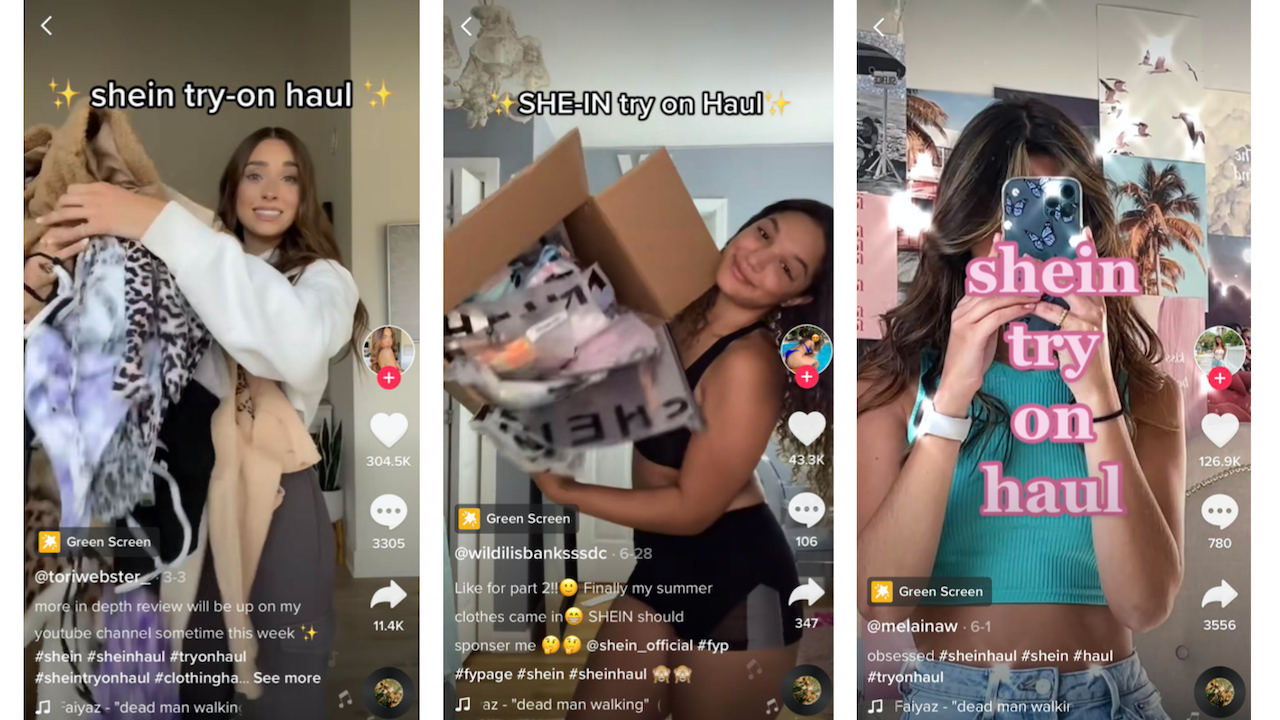
The compliance question also extends to content authenticity. TikTok suppresses content that feels promotional or artificial. Your briefing process should give creators enough direction to hit brand safety thresholds while preserving enough creative freedom to produce content that feels genuine to their audience. Content that reads like an ad gets filtered. Content that reads like a recommendation from a trusted source gets amplified.
Step 4: Track the Signals That Actually Matter
Vanity metrics—views, likes, follower counts—tell you almost nothing about affiliate performance. The metrics that matter are save rate, share rate, link click-through rate, add-to-cart rate, and conversion rate. Your attribution model should connect content performance to commercial outcomes, not just engagement volume.
Set up tracking that captures the full engagement sequence: views to saves, saves to link clicks, clicks to add-to-cart, add-to-cart to purchase. This sequence reveals where your content succeeds and where it drops off. If viewers save content but don’t click through, your product display or call-to-action needs work. If they click but don’t add to cart, your price point or landing page may be misaligned. If they add to cart but don’t purchase, your checkout experience or shipping expectations may need adjustment.
Review this data on a weekly cadence during active campaigns. Optimization iterations based on real signal data compound faster than monthly reviews. The teams that extract consistent value from TikTok Shop affiliate run tight measurement loops and iterate quickly on underperforming content elements.
Step 5: Scale What Works, Cut What Doesn’t
The scaling decision should be based on margin-adjusted return, not raw conversion volume. A creator generating fifty conversions at fifteen percent margin contributes more value than a creator generating one hundred conversions at five percent margin, all else being equal. Factor in return rates, customer lifetime value signals, and incremental versus attributed revenue when evaluating scale decisions.
Scale signals to watch for: consistent performance across multiple content pieces from the same creator, positive unit economics at current commission rates, and expanding engagement signals as the algorithm learns the creator-audience-product combination. Be cautious about scaling purely on volume increases without corresponding improvements in engagement quality.
The cut decision is equally important. When a creator or content format consistently underperforms on engagement signals after sufficient testing period—typically two weeks minimum—reallocate budget to combinations demonstrating traction. Holding onto underperforming partnerships hoping for improvement wastes budget that could generate returns elsewhere.
Frequently Asked Questions
What budget is needed for effective TikTok Shop affiliate campaigns?
Budget requirements vary significantly based on operating model, product price point, and campaign scope. Commission-only models require minimal upfront investment but may limit access to creators expecting base fees. Funded campaigns with performance bonuses typically require more upfront commitment but attract higher-quality talent. Most teams report that the practical minimum should cover creator fees, product samples, and a testing budget before expecting measurable returns. Budget planning should explicitly account for testing periods where spend will exceed proportional returns while you identify which creators and formats produce actual conversions.
How long before seeing results from TikTok Shop affiliate efforts?
Expect a minimum learning period of four to six weeks before meaningful data emerges, longer for new accounts without existing creator relationships. TikTok’s algorithm needs time to categorize your affiliate content and identify which audiences respond. Quick wins are possible but uncommon, and teams chasing early conversions often burn through budget before understanding what actually works. Patience combined with systematic testing beats aggressive spending in most TikTok Shop affiliate scenarios.
Who manages TikTok Shop affiliate campaigns internally?
The most effective structure pairs creator relationship management with content strategy oversight. You need someone who understands both platform dynamics and brand voice reviewing every piece of content. A dedicated point person for creator relationships—rather than rotating assignments across team members—produces better long-term results and stronger affiliate performance. This role coordinates creator vetting, briefing, compliance review, and performance analysis, working closely with brand and marketing leadership to ensure affiliate content aligns with broader campaign objectives.