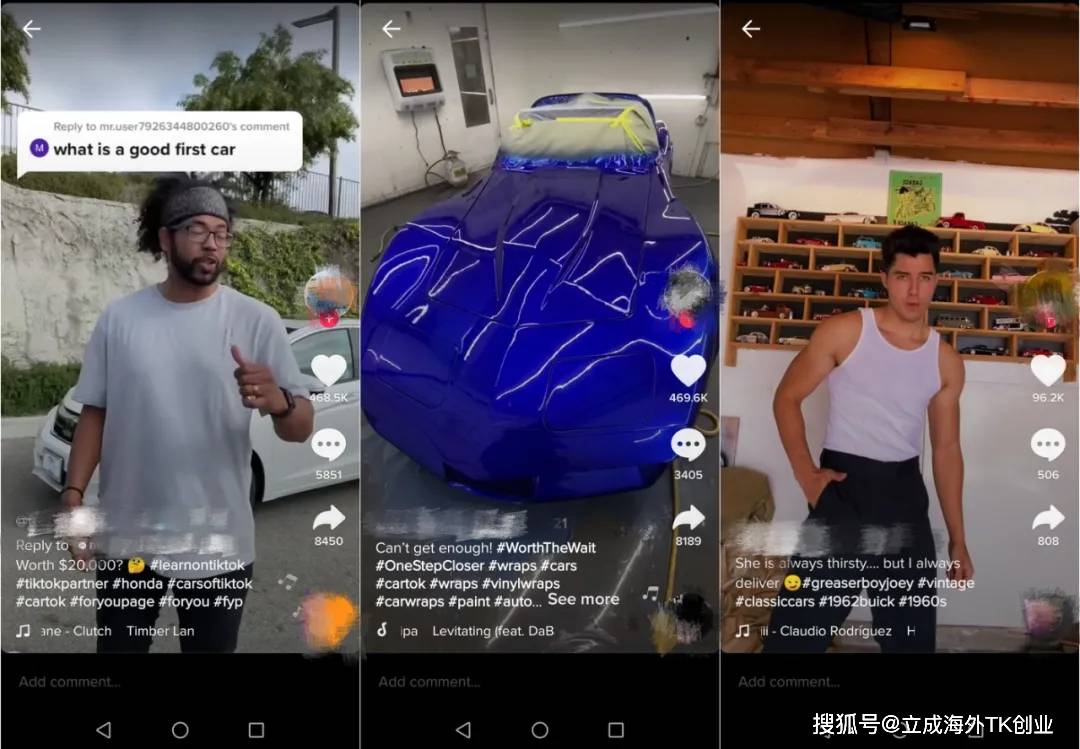
You have probably seen the pattern before. A brand launches a TikTok Shop creator campaign with high hopes, recruits a creator who has decent follower numbers, and ends up with disappointing sales and a bruised budget. The creator was legitimate. The content looked fine. The problem is that neither of those things matters as much as the signals most teams never learn to read.
The best way to find creators for TikTok Shop is not a single tool, platform, or hack. It is a repeatable structure that forces disciplined evaluation before any budget gets committed. This article lays out that structure in full, with the criteria you should actually use, the channels worth your time, and the risk boundaries that keep small mistakes from becoming expensive ones.
The Three Mistakes That Drain Creator Budgets Fastest
Before discussing what works, it helps to understand why the obvious approaches fail. Most creator discovery failures fall into three predictable categories.
Chasing Follower Count Instead of Conversion Signals
The most common error is treating audience size as a proxy for commercial value. A creator with a million followers who posts generic lifestyle content will almost always underperform a micro-creator with an engaged community in your product category. The metrics that actually matter are engagement rate, comment sentiment that signals purchase intent, and how often their audience clicks through to product links. Brands that optimize for follower counts end up paying premium rates for audiences that scroll past the shopping tab.
Ignoring Niche Relevance in Favor of Broad Appeal
Broad appeal feels like a safety net, but it is a performance liability for TikTok Shop campaigns. The platform thrives on category-specific trust. When a beauty brand partners with a generalist creator who occasionally mentions skincare, the audience overlap with actual buyers is minimal. Niche alignment means the creator produces content in the same category, for the same type of buyer you are trying to reach. Without that alignment, even high-quality videos fail to convert.
Skipping Trial Partnerships Before Scaling
Many brands identify a promising creator and immediately commit to a multi-month contract or large campaign. Without a small test first, there is no data on whether the creator’s audience responds to your specific product. Scaling blindly wastes fees on creators who cannot deliver for your category. The pilot phase exists precisely to surface this information before it becomes expensive.
What Poor Creator Selection Actually Costs
When creator selection misses the mark, costs accumulate across three areas. Direct costs include fees paid for underperforming content. Brand misalignment risk means your product appears in contexts that conflict with your positioning, potentially confusing or alienating your target customer. The subtlest cost is opportunity cost: the sales you would have made with the right creator, working with the wrong one instead.
Poor creator fit also affects TikTok Shop algorithm performance. The platform’s recommendation system learns from how viewers interact with shopping content. When a creator’s audience does not engage with product videos, the algorithm receives negative signals that reduce future reach for your product listings, even after you switch to better-matched creators. This feedback loop can linger longer than most teams realize.
Evaluation Criteria That Actually Predict TikTok Shop Performance
Before diving into specific creators, you need a framework that survives contact with real campaign data. Most evaluation mistakes seem harmless on the surface but create compounding problems later.
Engagement Depth Over Vanity Metrics
The most persistent error in creator evaluation is treating follower count as a proxy for commercial value. When evaluating candidates, look at three signal categories. First, engagement depth: does the creator’s audience comment with questions, objections, or purchase language, or does engagement max out at generic emoji reactions? Second, content-to-sale translation patterns: has the creator demonstrated any history of driving action, even outside TikTok Shop? Look for call-to-action language in captions, swipe-through links in bio, or any mention of limited availability. Third, consistency of format: creators who switch styles too frequently tend to confuse the algorithm and lose audience trust, which directly impacts conversion potential.

Niche Alignment: The Overlooked Selection Criterion
Assess alignment by examining three elements. The creator’s recent posts should have clear thematic coherence around your product category. Comments on those posts should reflect an audience with demographic and interest patterns matching your buyer persona. The creator’s stated brand partnerships, if visible, should suggest a category positioning that complements rather than conflicts with your product.
Red flags include frequent category shifts, generic lifestyle content with no apparent expertise area, or an audience that engages with entertainment-focused content more than educational content. Teams often resist narrowing their criteria because it feels like reducing options. In practice, a smaller list of highly aligned creators will outperform a larger list of loosely relevant ones on every meaningful metric.
Where to Find TikTok Shop Creators: A Practical Channel Comparison
The method you use to source creators shapes your entire shortlist quality. Brands that rush to platforms without understanding the tradeoffs end up with a long list of names that look promising but do not move product.
TikTok-Native Discovery Tools
The TikTok Creator Marketplace gives you access to creators who already understand the platform’s commerce mechanics. This matters because creators who have navigated TikTok Shop’s affiliate flow before need less hand-holding on product tagging, checkout integration, and compliance with platform policies. The limitation is coverage: creators must actively maintain marketplace profiles, which means capable mid-tier talent often flies under the radar if they have not optimized for discoverability.
Shop Showcase allows you to surface creators who have already sold products in your category or adjacent verticals. The advantage here is pre-qualification through demonstrated purchase behavior from their audience. The downside is that filtering remains coarse, and you will still need to validate whether their existing category performance translates to your specific product line.
Third-Party Platforms and Agency Options
External marketplaces expand your reach beyond TikTok’s native ecosystem. The benefit is broader talent pools and more granular filtering options that TikTok’s native tools do not offer. The cost is verification burden: you must independently confirm TikTok Shop performance data rather than relying on platform-reported metrics.
Agency partnerships make sense when you need rapid scaling across campaigns or require creators with specialized category expertise that internal teams struggle to identify. The trade-off is higher costs and potential misalignment when agencies prioritize their commission structures over your exact fit requirements. For straightforward, repeatable creator needs, direct outreach typically delivers better unit economics.
The practical approach: use TikTok-native tools as your baseline, then layer third-party options only when you need niche expertise or volume that exceeds your internal sourcing capacity. This prevents over-engineering your discovery process for simple hiring scenarios.
A Step-by-Step Discovery Workflow
Most teams have a discovery strategy in theory. In practice, outreach happens ad hoc, decisions get made on creator aesthetics, and scaling starts before anyone asks whether the pilot actually worked. The result is inconsistent performance, wasted budget, and a creator roster that looks good on paper but does not move product.
Define Criteria First
Before contacting any creator, document your minimum thresholds for engagement quality, audience overlap, and content-to-sale conversion signals. Without written criteria, evaluation becomes subjective and varies between team members. This documentation step takes an hour and prevents days of wasted effort downstream.
Source and Shortlist
Use at least two discovery channels from the options outlined above. Build a list of candidates per product category before filtering. Resist the urge to commit to the first impressive profile you encounter. Initial enthusiasm for a creator’s aesthetic or follower count is a reliable way to override better judgment.
Evaluate and Pilot
Run a paid trial with at least two pieces of content per creator. Define success metrics before launching the pilot. These should align with your business objectives, not arbitrary vanity benchmarks. A single post generating strong engagement means nothing if those engagements do not translate into store visits or purchases.
Scale Decisions Based on Data
Scale decision criteria should be binary: either a creator meets your documented thresholds or they do not. Personal rapport, creator enthusiasm, and past brand work are not scaling inputs. They are supplementary factors that only apply when performance data is ambiguous. When in doubt, trust the data over the relationship.
Risk Boundaries Every Team Should Set
Performance floors prevent emotional scaling. If a creator does not hit your minimum conversion benchmark within two paid pilots, discontinue the partnership regardless of content quality or follower growth during the trial period. Extended evaluation cycles rarely flip underperformers into reliable partners.
Budget concentration risk is real. No single creator should represent more than a defined percentage of your total creator spend. One creator’s algorithm change, content pivot, or account issue should not cripple your channel performance. Diversification is not paranoia; it is basic operational risk management.
Contractual protections matter. Require content approval rights for any creator featuring your products. Include performance-based fee structures where possible. Paying purely on reach rewards the wrong behaviors in TikTok Shop contexts, where actual purchases matter more than impressions.
Frequently Asked Questions
What is the best way to find creators for TikTok Shop?
The best way to find creators for TikTok Shop is to establish clear evaluation criteria first, use platform-native tools as your baseline discovery channel, and always run a paid pilot before committing to a larger partnership. No single tool or platform replaces the discipline of a structured discovery process.
Who should use this approach to TikTok Shop creator discovery?
Brand marketing teams, performance marketers, and creator program managers who are building or restructuring their TikTok Shop creator roster will benefit most. This approach works best when you have at least a basic product catalog and a defined buyer persona to match against creator audiences.
How should a team approach TikTok Shop creator discovery?
Start by documenting minimum performance thresholds before looking at any creators. Then source through at least two channels, run paid pilots with clear success metrics, and make scaling decisions based solely on whether the data meets your thresholds. Keep budget diversified and require contractual protections before launching any campaign.
The Bottom Line
The discipline that separates effective creator programs from expensive experiments is not finding better creators. It is building systems that surface bad fits early, limit their damage, and redirect resources toward signals that actually predict commercial outcomes. Start with criteria, pilot before you commit, and let performance data make the final call.