The Discovery Mistake That Costs Brands Months
Three weeks into launching their TikTok affiliate program, a DTC skincare brand had sent forty outreach messages and heard back from exactly two creators. Both declined. The problem was not their commission offer or their product. It was where they were looking.
They had done what most brands do: opened TikTok, typed relevant hashtags, and started sending DMs to creators who mentioned brand partnerships. That approach surfaces the loudest voices, not the most effective sellers. The creators who actually move product on TikTok are usually not posting about brand deals at all. They are posting about the problems your product solves, building audiences in your category before you ever reach out.
This guide assumes you have already decided to run a TikTok affiliate program. What you need now is operational clarity on three things: where quality affiliates actually exist, how to evaluate them without wasting outreach effort, and how to move from first contact to active partnership.
Where Quality TikTok Affiliates Actually Are
Finding affiliates on TikTok is not a single-tool exercise. The platforms and methods you use shape the quality of partners you find, the time it takes, and what you invest before seeing a single conversion. Most brands that struggle with TikTok affiliate programs are failing at discovery, not outreach.
TikTok Creator Marketplace
The TikTok Creator Marketplace remains the official starting point for structured affiliate search. It provides creator profiles, performance data, and audience demographics without requiring you to guess whether a creator is open to commercial partnerships. You can filter by category, follower count, engagement rate, and region.
Here is what many teams miss: the Creator Marketplace is a discovery engine, not a shortlist generator. You still need to manually review content quality, assess brand alignment, and verify that audience demographics overlap with your buyer profile. The filters narrow your pool, but judgment narrows it further. Treat the Marketplace as a source of candidates, not qualified partners.
Third-Party Affiliate Networks with TikTok Integration
Major networks including Impact, Awin, and ShareASale have added TikTok-specific creator profiles. These platforms surface creators who have opted into commercial partnerships and have established performance history on file. You can evaluate conversion data before sending a single outreach message.
The operational advantage is contract infrastructure. When you recruit through an established network, affiliate agreements, tracking links, and payment terms are already standardized. This reduces legal friction and accelerates onboarding. The trade-off is network fees and minimum commitment requirements that may not suit brands with limited affiliate budgets or experimental TikTok strategies.
Boundary: Third-party networks work best when you already know which creator categories match your product. If you are still testing audience fit, start with the Creator Marketplace and direct outreach before committing to network fees.
Direct Outreach Through Content Discovery
The highest-quality TikTok affiliates often have no idea they are affiliate candidates. They are making content about problems your product solves. Finding them requires a different search strategy.
Start with category-specific hashtags and trending sounds within your niche. Scroll past the obvious brand partnership posts. Look for creators who are teaching, reviewing, or discussing products in your category without promotional language. These creators have already done the audience-building work. They understand your product category. They can integrate your offering into their existing content language without it reading as an ad.
The signal you want: consistent posting about category-relevant topics, genuine audience engagement in comments, and content style that would accept a product recommendation organically.
Community and Industry Spaces
Affiliate-ready TikTok creators often network in industry Discord communities, attend niche events, and participate in creator-focused forums. These spaces are harder to find but tend to surface creators who are actively looking for partnerships, not just open to them.
Look for communities organized around your product category rather than general creator marketing groups. The signal that indicates a creator is affiliate-ready: they mention conversion tracking, discuss commission structures, or reference specific products in a way that suggests commercial intent.
Evaluating Affiliates Before You Reach Out
Outreach without evaluation drains budgets. Sending partnership proposals to creators with no genuine interest in your category, mismatched audiences, or content styles that contradict your brand positioning wastes time and damages your reputation in creator circles.
Metrics That Actually Predict Success
Follower count is the most misleading metric in TikTok creator evaluation. A creator with 500,000 followers and a 1.2% engagement rate often converts worse than one with 45,000 followers and an 8% engagement rate on content that mirrors your product category.
Engagement quality over rate. Scroll through comment sections on recent posts. Are comments substantive or generic emoji responses? Substantive engagement suggests an audience that pays attention and considers recommendations. Generic comments often indicate inflated or bot-driven interaction.
Audience overlap scoring. Infer audience composition from the types of content that perform best for the creator. If you sell fitness equipment, a creator whose audience consistently engages with workout content will outperform someone with similar overall numbers but scattered interests.
Content consistency and recency. A creator who posted daily for six months, then disappeared for eight weeks, may have lost algorithmic favor or audience trust. Consistency matters more than raw volume.
Red Flags and Execution Risks
Several warning signs should stop your evaluation immediately. Sudden follower spikes that do not correspond to viral content often indicate purchased followers. Check the ratio between follower count and average view counts. If a creator with 200,000 followers rarely breaks 5,000 views, that gap tells you something is wrong.
Content that feels misaligned with your brand, even if the creator is popular, creates risk every time they mention your product. A single off-brand association can be harder to recover from than never reaching that audience at all.
Sample Evaluation Checklist
Before reaching out, answer these questions:
- Does this creator post about my product category or adjacent topics at least three times per month?
- Do their average view counts represent at least 5% of their follower count consistently?
- Are comments on their posts substantive rather than generic?
- Does their content style allow for a product recommendation without feeling forced?
- Has their posting frequency remained consistent over the past ninety days?
- Do their audience demographics overlap with my buyer profile?
If you cannot answer yes to at least four of these questions, move on to the next candidate.
From First Contact to Active Partnership
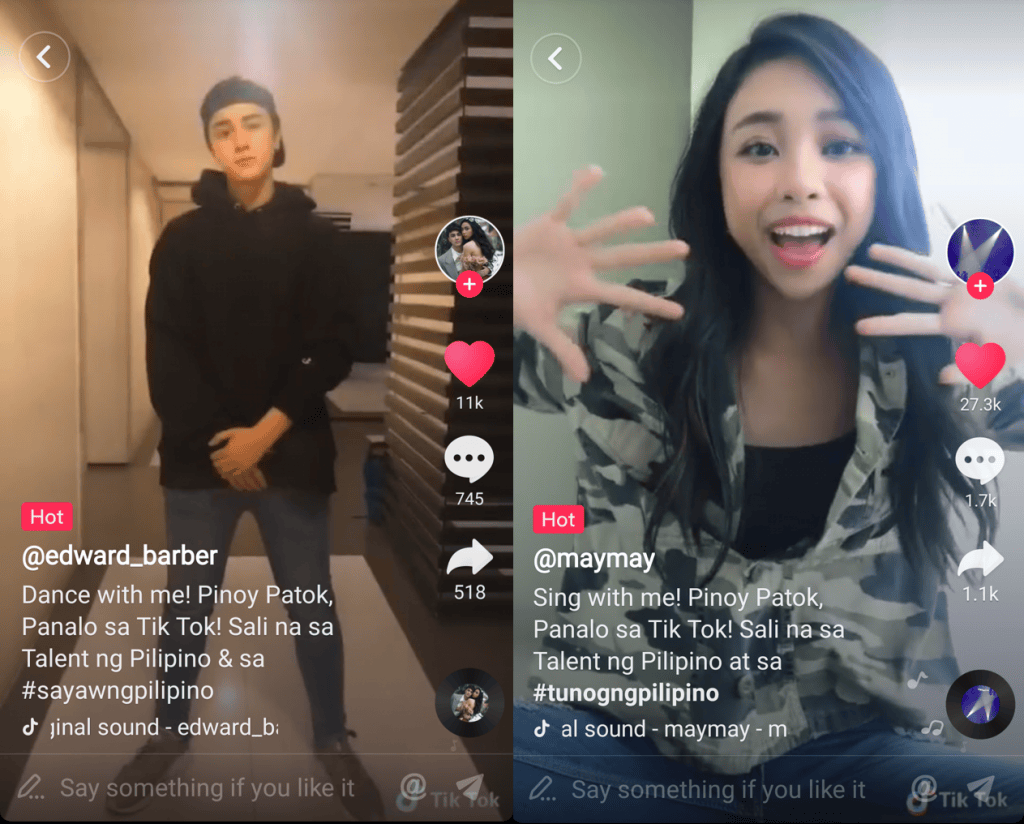
Finding the right TikTok affiliates means nothing if your outreach converts them into silence instead of partnerships. The difference between a successful affiliate program and a graveyard of ignored contacts often comes down to how you approach that first message.
Structuring Your Outreach Message
When you reach out, you are interrupting their day. Respect that by making your message worth reading. Lead with specificity: reference a piece of content they made that genuinely impressed you, not a generic compliment. Name what you saw, why it matters to their audience, and how your product fits their content style rather than forcing an awkward fit.
Your message should answer three questions in the first two sentences: who you are, what you want, and why you chose them specifically. Skip the company history lesson and the formal attachment nobody will open. Get to the partnership offer, the basic commission structure you have in mind, and a clear next step with a specific timeframe.
Negotiating Commission Structures That Work
Commission negotiations reveal how brands think about affiliates. TikTok creators who have affiliate options know their worth. A lowball offer signals that you do not understand creator economics and likely will be difficult to work with long-term.
Standard structures include revenue share (typically 10-30% depending on category and margin), flat fees per conversion, or hybrid models. Higher-ticket products often work better with percentage-based structures. Impulse purchases may suit flat fees that reward creators immediately.
Consider tiered commission structures that reward top performers with increased rates after hitting conversion thresholds. This approach motivates affiliates without committing your full high rate to every partner from day one. It also gives you performance data before extending premium terms to creators you have not worked with before.
Onboarding for Long-Term Success
After a creator agrees to partner, do not let momentum die. Send onboarding documentation that covers your brand guidelines, approved messaging for product mentions, and how to use your tracking links correctly. Misconfigured tracking is the most common reason affiliate programs lose attribution and lose creator trust.
Set clear expectations on content approval processes, payment timelines, and performance review schedules. Creators who understand what is expected of them and what to expect from you will produce better content and stay active longer.
Frequently Asked Questions
What is finding affiliates on TikTok?
Finding affiliates on TikTok means identifying creators who can authentically recommend your product to their audience in exchange for a commission on resulting sales. The most effective affiliates are often creators who were already making content about your product category before you approached them.
Who should focus on TikTok affiliate recruitment?
Brands with products that solve specific problems or fit naturally into lifestyle content see the best results. If your product requires extensive explanation or does not lend itself to visual demonstration, traditional affiliate networks may be a better starting point before investing in TikTok-specific recruitment.
How should a team approach TikTok affiliate discovery?
Assign discovery and evaluation to one team member who understands your product category and target audience. Use a shared tracking system to document candidate research, outreach status, and performance data. Separate the discovery phase from outreach to avoid sending premature messages to under-evaluated candidates.