The Visibility Paradox on TikTok
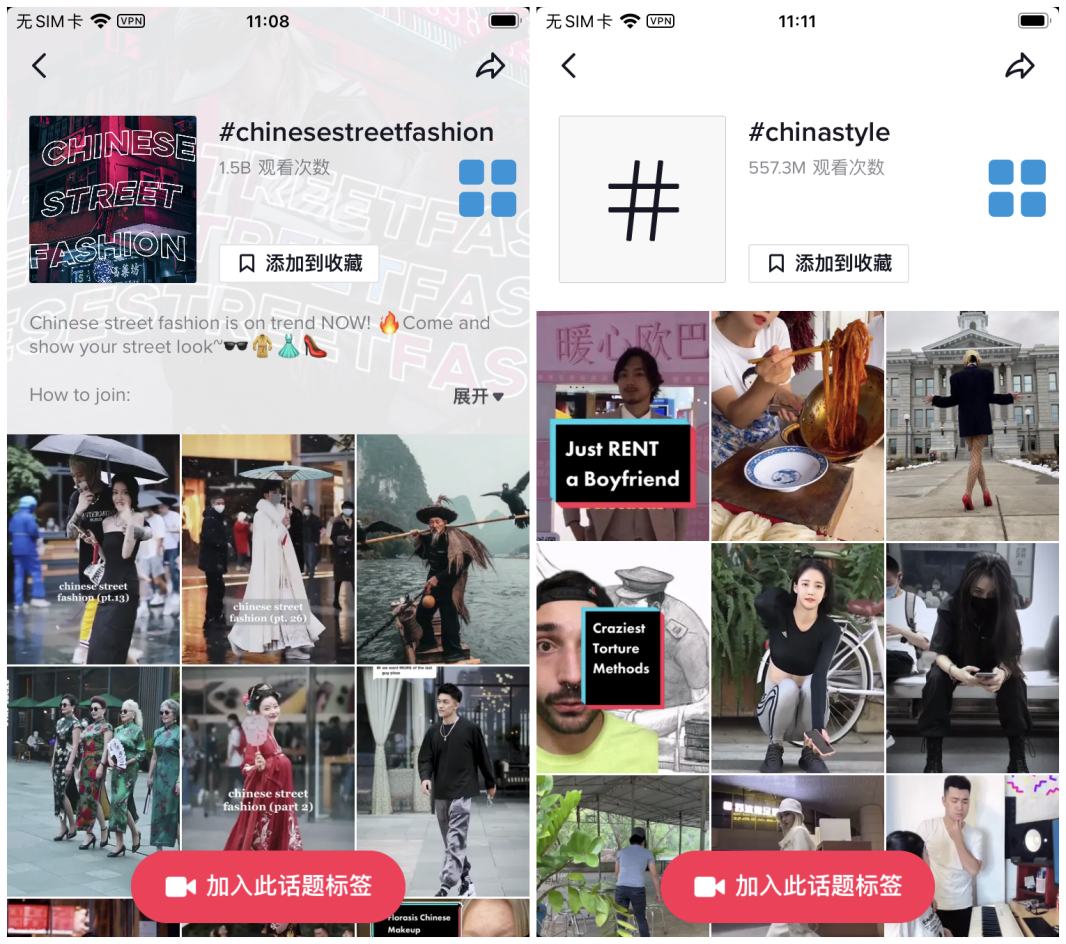
You scroll through TikTok and spot a creator with 2.3 million followers. Their videos land in your feed constantly. You’d assume reaching them for a brand partnership would be simple—they must have professional media kits, a dedicated business page, and obvious commercial incentives.
The reality cuts differently. TikTok built its architecture around content discovery, not creator connection. Unlike LinkedIn or even Instagram, where professional collaboration infrastructure grew alongside user bases, TikTok optimized for engagement velocity. Creators accumulate massive audiences without ever exposing a functional contact channel. That 2.3-million-follower account might list a generic Gmail address buried three taps deep in a bio link, or nothing at all.
This is the visibility paradox, and it trips up marketing teams expecting TikTok to function like platforms they already know. The creator is visible everywhere. Their contact layer is essentially invisible.
Why Traditional Influencer Databases Fall Short
Teams accustomed to creator databases built for YouTube or Instagram often bring the same playbook to TikTok—and watch it falter. Traditional platforms prioritize follower counts, engagement rates, and category tags. These metrics tell you who is popular. They don’t tell you who you can actually contact, verify, or convert.
Consider a realistic scenario: a marketing coordinator identifies 40 TikTok creators matching their cosmetics brand aesthetic through a legacy influencer platform. They export contact information, send personalized pitches, and receive silence from 85% of their list. The database reported emails; the inboxes never received them. The data was stale. TikTok creator turnover is severe—accounts go inactive, management companies shift, and legacy databases haven’t adapted their refresh cycles accordingly.
The meaningful difference between a general influencer database and a TikTok-specific email finder isn’t just platform coverage. It’s data refresh velocity and verification methodology. General databases batch-update quarterly. A TikTok-focused approach prioritizes recency and employs cross-referencing to validate email deliverability before you invest outreach effort. Without that validation layer, you’re essentially guessing whether a contact method is current.
What a TikTok Influencer Email Finder Actually Does
Core Capabilities vs. Overstated Claims
The first thing to understand is that these tools do not pull verified business emails from some hidden TikTok database. That is not how the platform works, and any tool claiming otherwise is selling fiction. A TikTok influencer email finder operates by aggregating publicly available information, applying pattern-based inference to generate likely email formats, and in some cases layering in third-party enrichment data.
The genuine capabilities break down into three functional areas. First, these tools reduce the manual research time required to identify contact possibilities for creators you have already scouted. Second, they standardize outreach data across a creator list, which matters when your team manages multiple campaigns simultaneously. Third, the better platforms maintain data refresh cycles that account for creator profile changes, though the frequency and reliability of those updates vary considerably.
The inflated claims you will encounter typically fall into two categories: accuracy promises that conflate email format generation with deliverability, and database size claims that measure scraped profiles rather than verified contacts. The distinction matters operationally because an email format that looks correct may still bounce, land in spam, or go unopened.
Tool Types: Browser Extensions, Platforms, and Hybrid Approaches
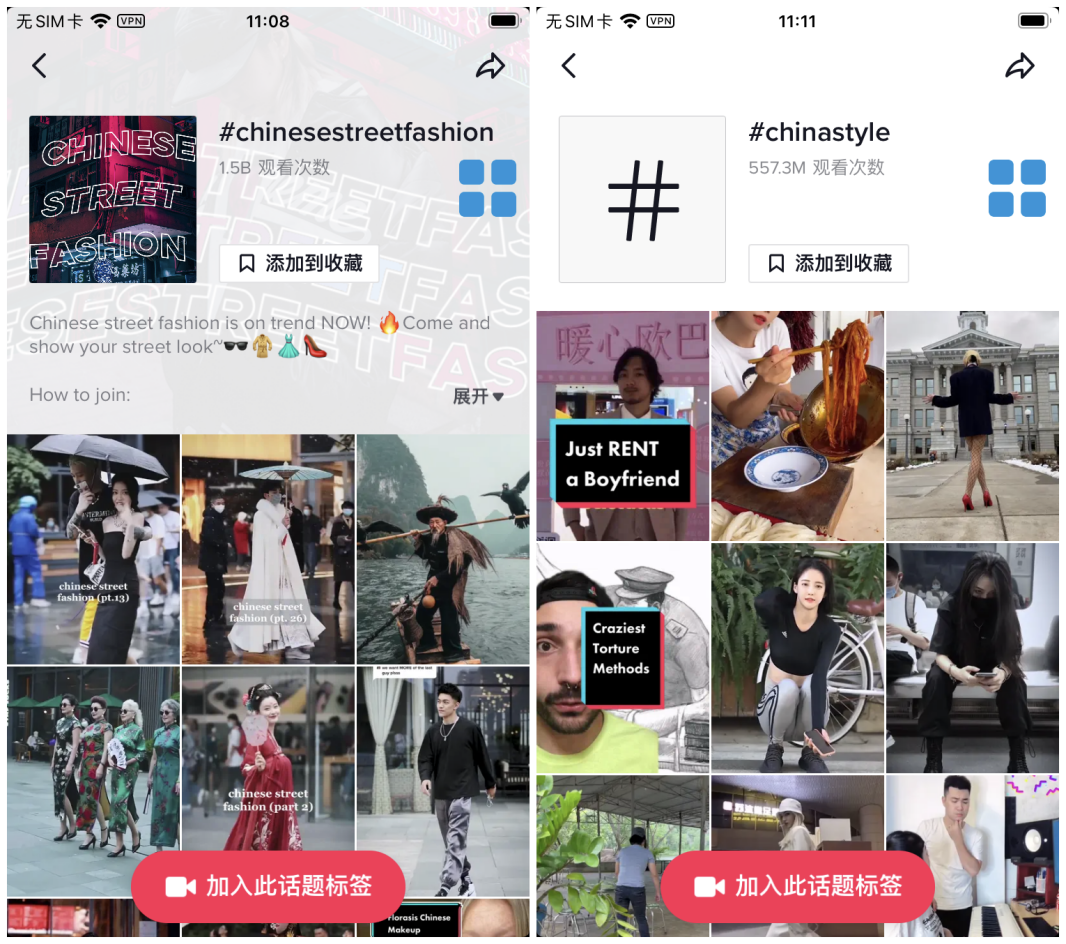
Browser extensions load directly into your browser when visiting TikTok creator profiles. They excel at point-in-time lookups and work well for small campaigns or one-off outreach attempts. The tradeoff is limited batch processing capability and dependency on the current structure of TikTok’s web interface, which can change without notice.
Dedicated platforms treat influencer email discovery as a workflow component rather than a browser add-on. These tools typically offer bulk processing, CRM-compatible export functions, and some level of integration with broader influencer discovery platforms. For teams running ongoing campaigns, this infrastructure matters more than individual lookup speed.
Hybrid approaches attempt to deliver the convenience of browser-based access with the robustness of platform infrastructure. In practice, most hybrid tools lean toward one end of that spectrum. Before committing to any option, verify how the tool handles data refreshes—stale contact information is worse than no contact information at all.
Evaluating Whether You Need a Dedicated Tool
Signals That Indicate You Need a Dedicated Solution
Before investing in any TikTok influencer email finder, the harder question is whether your operation actually requires one. Many teams purchase these tools expecting automation to solve a reach problem that is really a strategy problem. The decision should flow from honest assessment of your current volume, repeatability, and where outreach bottlenecks genuinely exist.
You likely benefit from a dedicated solution when at least two of the following conditions apply to your operation:
- Campaign volume exceeds what manual research can sustain. Teams running five or more creator partnerships per month typically cannot keep pace with manual email discovery without sacrificing personalization quality.
- Niche specificity is high. Finding beauty creators who specialize in eczema-friendly products, for instance, requires filtering beyond generic follower counts, and general databases often lack this granularity.
- Outreach frequency is recurring rather than episodic. If you onboard influencers quarterly, a one-off research sprint with freelancers or an assistant may cost less than an annual subscription.
- Your team lacks a dedicated researcher. When marketers are expected to handle outreach independently, a tool reduces dependency on individuals who lack research training.
- You are building a structured outreach pipeline. Consistent data formats across campaigns matter more than scattered spreadsheets of varying reliability.
Red Flags and Execution Boundaries
Several common mistakes signal that a tool is being misapplied rather than properly evaluated. Expecting 100% accuracy from any email finder is the most frequent error—these tools aggregate and infer contact information from publicly available sources, and even the best services report confidence rates between 60% and 85% depending on creator size and platform activity.
Treating the output as verified business contacts without a secondary check introduces bounce risk and damages sender reputation. Data freshness is another boundary: email addresses tied to creator profiles can become inactive when influencers change management teams, rebrand, or shift to agent-represented communication. Finally, compliance shortcuts create legal exposure—using scraped emails without considering GDPR or CCPA obligations can expose your business to regulatory risk, particularly if you operate in or target European or California-based creators.
A Team-Ready Process for TikTok Influencer Email Outreach
Step-by-Step Workflow from Discovery to First Contact
The workflow you use to contact TikTok creators matters as much as the tool itself. A well-structured process prevents teams from burning through contact lists with generic pitches, burning bridges with creators who have real influence, and losing track of which outreach has been personalized versus automated at scale.
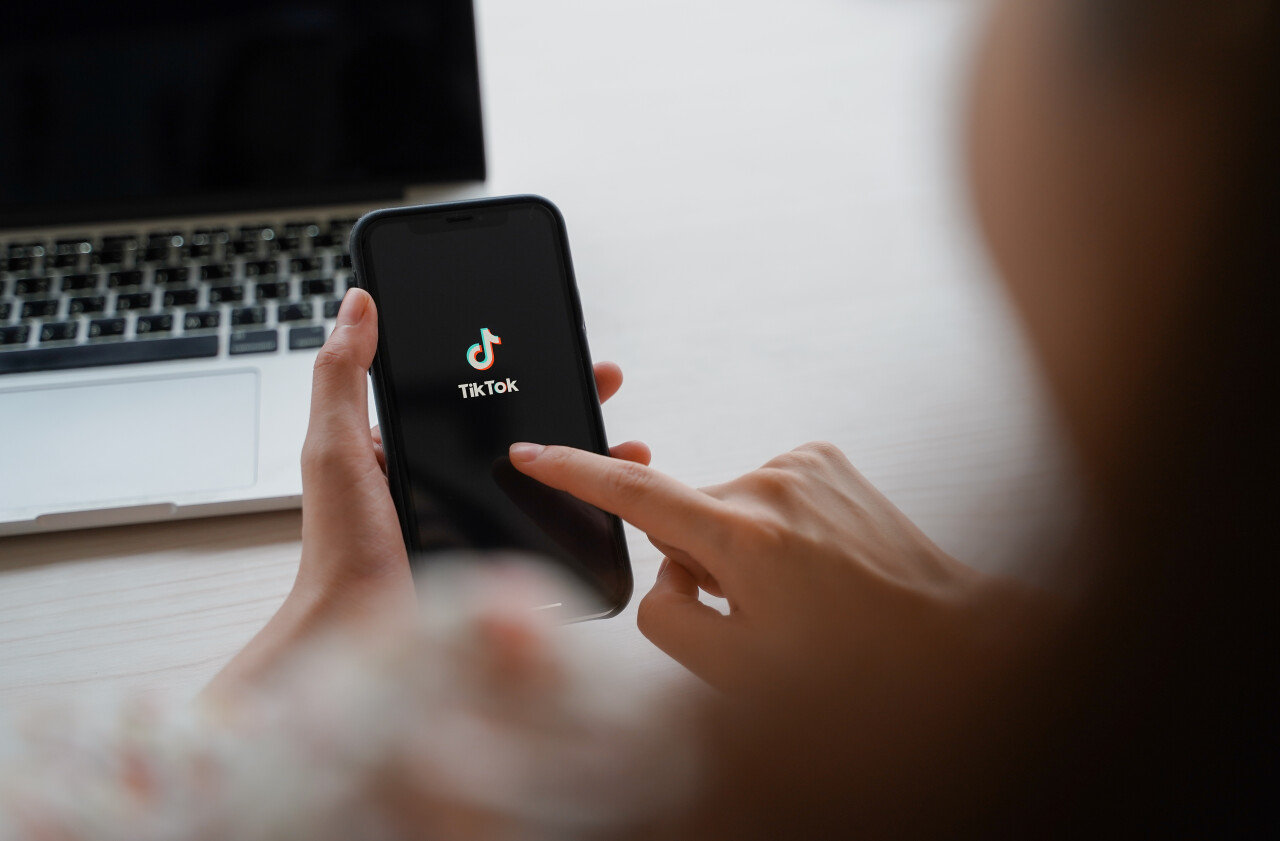
Begin by identifying creators through TikTok’s native search, niche-specific hashtags, and trending sounds relevant to your campaign category. Before running any creator through a TikTok influencer email finder, spend five to ten minutes manually reviewing their bio links, pinned content, and any brand collaboration posts already visible. This manual review catches creators who have explicitly stated they do not accept partnerships and saves finder credits for candidates who actually list contact information in their profile.
Once you have a qualified shortlist, run batches through your chosen TikTok influencer email finder, but flag results with confidence scores below your team’s acceptable threshold. At this stage, assign a secondary verification step: cross-referencing the discovered email against the creator’s known social handles or personal website. Emails that do not match any publicly associated domain should be quarantined as unverified and excluded from initial outreach.
Personalization templates should be drafted per creator niche rather than applied universally, with each template referencing at least one specific piece of the creator’s content. Send your first wave and wait forty-eight to seventy-two hours before following up, using a shorter, value-forward message that acknowledges the initial contact without repeating the pitch.
Integration With Your Broader Influencer Strategy
Email outreach should not operate as a separate channel from your broader influencer program. Treat discovery and contact as the first layer of a relationship pipeline that feeds into contract negotiation, content review, and performance tracking.
Assign a single team owner to manage the outreach inbox, so creator responses do not get lost across multiple team members’ email accounts. Keep records of which contact approaches yielded responses and which were ignored, using that data to refine both your selection criteria and your personalization templates on a monthly basis.
Frequently Asked Questions About TikTok Influencer Email Finders
Accuracy, Compliance, and Cost Questions
How accurate are TikTok influencer email finders? Accuracy varies considerably based on creator size, platform activity, and public contact exposure. Confidence rates typically range from 60% to 85% for active creators. Smaller creators with less public contact information will yield lower confidence scores.
Do these tools comply with GDPR and CCPA? Compliance depends on the tool’s data sourcing and your usage. Legitimate services work with publicly available information and third-party enrichment, but using discovered emails for mass outreach without proper consent mechanisms can create regulatory exposure, particularly for European or California-based contacts.
What pricing models do these tools use? Most operate on subscription models with tiered access based on lookup volume. Some offer pay-per-lookup options for occasional use. Browser extensions typically cost less than full platforms but offer less infrastructure for ongoing campaigns.
Can these tools find any creator’s email? No. They infer likely email formats from public signals. Creators with zero public contact exposure, those represented by agents, or accounts with strict privacy settings will produce low-confidence or no results.
How often should I refresh my outreach data? For active campaigns, monthly refreshes are minimum. Creator information changes frequently—management shifts, rebranding, and contact updates happen regularly. Tools with faster refresh cycles provide better long-term value.
Should I use these tools instead of direct outreach through other channels? These tools complement, not replace, a multi-channel outreach strategy. Direct messages, network connections, and agency contacts remain valuable. Email finders fill a specific gap when other channels are unavailable or insufficient for your campaign volume.