Two sellers ran the same product into TikTok Shop Singapore in the same month. Their lists shared about two hundred names. One got a third of those names to reply. The other got under a tenth.
Same offer, same commission, same week. The only difference was the order the invitations went out in.
So this is for sellers running five to twenty SKUs there, with one person on affiliate work. Finding creators is already solved. The problem is that everyone is fishing in the same pond.
Singapore has about six million people. The pool of creators who can move a product is small enough to count. On a large market you win by reaching more people. On a small one you win by reaching the right people before anyone else does.
A small pool punishes random order
When a pool is deep, a badly ordered list still works. There is always another creator behind the bad one. But when a pool is shallow, the order is the whole strategy.
Why? Because the best ten creators in a category get approached by every brand in that category, often in the same fortnight. The first invitation in that window reads as an opportunity. The fifth reads as noise, even when the terms are better.
Nothing about the offer changed. The position in the queue did.
Most teams sort by follower count, and that is the wrong first key. A creator with two hundred thousand followers is a known quantity to every brand in the category. Their inbox reflects it. Meanwhile the creator with eighteen thousand followers who posted twice about this exact category this month was not yet asked. They reply like it.
What sequencing actually means here
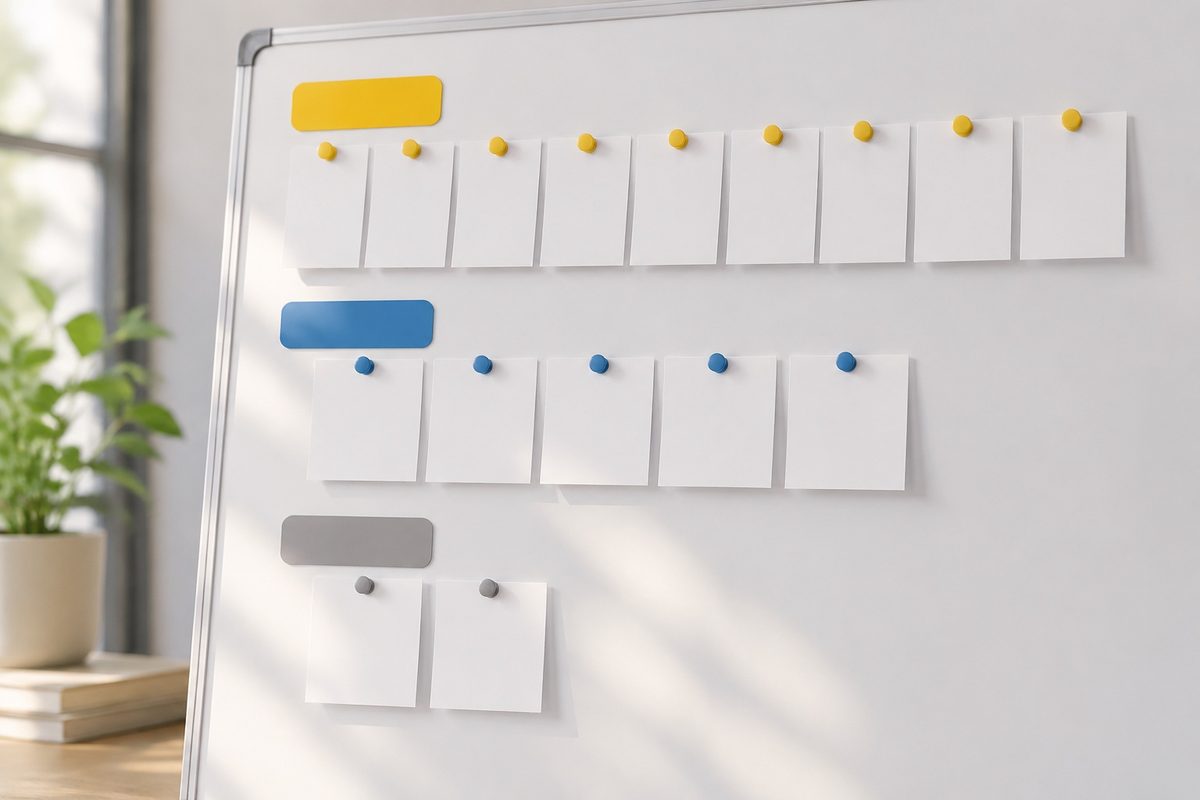
A sequenced list is not a slower list. It is the same list ordered by how well each creator matches the product right now. Then it goes out in waves, and the next wave waits until the previous one has had time to answer.
| Wave | Who goes out | What you learn before the next wave |
|---|---|---|
| First | Posted about this category in the last sixty days, any follower count | Whether the offer lands in your category at all |
| Second | Adjacent categories, right audience, no recent product content | Whether the copy needs a different first line |
| Third | Broad lifestyle creators with the right follower profile | Whether reach alone moves anything |
| Held back | Names already invited in the last ninety days | Nothing; they were already asked |
The waves are three days apart, not three weeks. The point is not to slow down. The point is to make each wave a test of the previous one.
So read the first wave before you send the second. If it replies at four percent, the copy is wrong and the ordering was right. If it replies at fifteen percent, you found the category, and the third wave can be much larger.
Run everything in one batch and all of that information arrives at once. Then none of it is usable, because you cannot tell which segment produced the replies.
The list has to remember who already saw you
There is a second half to this that is easy to miss. A shallow pool means names repeat across campaigns. The creator you invited in March for a beauty product is the same one you are about to invite in November for a kitchen product. They will remember.
Teams that keep the record in a spreadsheet find this out the hard way. Usually a creator replies with a screenshot of the earlier invitation. Teams that keep it in a system see the last contact date next to the name and route the invitation elsewhere. Neither is about diligence. It is about where the record lives.
This is where DAMI’s sequencing does work a spreadsheet cannot. DAMI filters the pool by category, audience and follower band. So the first wave is a filter result, not a manual read of two hundred rows. Then it sends invitations in groups of ten to a hundred, with a short interval between each. That is what makes three-day waves practical for one person instead of a full day of clicking per wave.
The record side matters just as much. Every invitation sits against the creator. So the “held back” row in that table is something the system knows, not something someone remembers. DAMI’s creator workspace keeps the last contact date visible next to the profile. That one detail is what stops the fourth invitation to the same person in a single quarter.
One honest limit. Ordering raises the ceiling, it does not remove it. If Singapore has forty creators who genuinely fit your product, sequencing gets you most of those forty and then stops. At that point the answer is a different product, an adjacent category, or a smaller campaign. DAMI makes the forty easy to find and easy to work through. It cannot turn them into four hundred.
The second limit is timing. Sequencing assumes the creator reads invitations in the week they arrive. A creator who checks messages every two weeks will not reward a three-day wave structure. No amount of ordering fixes a slow reader.
For sellers at the earlier stage, where the pool is not yet known at all, managing Singapore’s influx of new creators is the list-building half of this problem. And how outreach runs from first invite to posted video is what the waves feed into once the replies start.
Where the filter, the wave and the last-contact date sit on one screen, the DAMI creator workspace is what the sequence is run from.

FAQ
How many creators should the first wave in Singapore contain?
Fifteen to thirty. That is small enough for a four percent reply rate to still be readable. It is also large enough that you are not sampling one person. The mistake is opening with eighty, because the replies arrive together and you cannot tell which segment produced them.
Is follower count useless for TikTok Shop Singapore?
Not useless, just the wrong first key. Follower count predicts reach, and reach is not the constraint in a six-million-person market. Category fit predicts whether the video gets made at all, and that is the constraint. So sort by fit, then use follower count to decide how much of the fit list is worth chasing.
How often can a creator be re-invited?
Ninety days is a workable floor for a different product, and much longer for the same one. The pool is small enough that re-invitations are normal rather than awkward. What is not normal is re-inviting without knowing you already did. That is the failure the record is there to prevent.